What Earwax Build Up Treatment Actually Covers
Earwax build up treatment covers a wider range than most people expect, from doing nothing and letting it clear on its own, through pharmacist advice and eardrops, to same-day removal at a private clinic. Which end of that range fits your situation depends on how blocked your ear actually is, how long it’s been going on, and whether home methods have already been tried without success. This guide walks through the options, what the NHS route can and can’t offer, and how same-day earwax build up treatment works at a private clinic in central London.
- Mild, recent blockage: often clears with eardrops or falls out on its own within a couple of weeks
- Persistent blockage after trying drops for several days: usually needs professional removal
- Sudden hearing loss, severe pain, or discharge: needs medical assessment, not home treatment
Ear wax blockage is one of the most common reasons people end up searching for treatment in the first place, and it’s worth saying plainly: is ear wax build up normal? Yes, largely. Your ears produce wax to protect the ear canal, and in most people it clears naturally without any help at all. Can earwax fall out on its own? Often, yes, particularly when the amount is small and the ear canal isn’t narrow or oddly shaped. The treatment question only really becomes relevant once that natural process has stalled.
Certain things make that stall more likely. Narrow or curved ear canals, regular use of earphones or hearing aids, a lot of hair in the ear canal, and skin conditions affecting the scalp or area around the ear can all mean wax accumulates faster than it clears. None of this is anyone’s fault, and it doesn’t mean anything is wrong with your ears generally, it’s simply a pattern some people are more prone to than others. Knowing this helps set expectations too: if you’ve had blockage before, there’s a reasonable chance it will happen again at some point, which is worth bearing in mind when deciding whether a one-off home remedy or an ongoing relationship with a clinic makes more sense for you.

Not Sure If It’s Earwax? A Quick Check
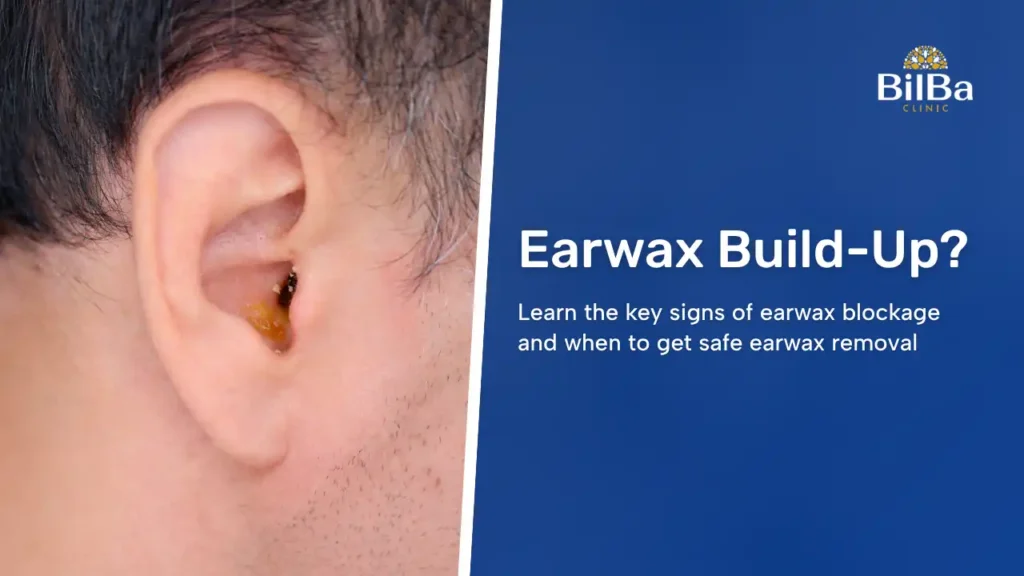
Before booking any treatment, it helps to know whether earwax build up symptoms actually match what you’re experiencing. What does ear wax buildup feel like for most people? Usually a sense of fullness or pressure, muffled hearing, and sometimes mild earwax build up pain that comes and goes rather than a constant sharp ache. Does ear wax buildup cause dizziness? It can, since your ear canal plays a role in balance, though persistent or severe dizziness is worth having checked rather than assumed. We’ve covered these symptoms in far more depth in our guide on the risks of skipping safe earwax removal, which is worth reading first if you’re still working out whether earwax is actually the cause.
A few signs tend to point specifically to earwax rather than something else. If hearing muffles gradually over days rather than appearing suddenly, if it’s worse on one side than the other, or if it improves slightly after a hot shower (steam can soften wax enough to shift it briefly), earwax is usually the more likely explanation. On the other hand, sudden hearing loss, one-sided ringing that appears out of nowhere, or pain without any sense of blockage are reasons to see a doctor promptly rather than assuming earwax and waiting it out. It’s also worth checking whether you’ve been using cotton buds, which push wax further in rather than removing it and are one of the most common reasons mild blockage turns into a more stubborn one.
Why the NHS Route Doesn’t Always Cover Earwax Build Up Treatment
According to the NHS, a pharmacist is usually the first port of call, and they can recommend eardrops or oil-based treatments to help wax clear on its own. If that doesn’t work, GP surgeries can sometimes offer irrigation, microsuction, or manual removal, but not every surgery provides this service. Where a GP surgery doesn’t treat earwax build up, you may be referred elsewhere on the NHS or told you’ll need to arrange private treatment yourself. This gap is exactly why so many people end up searching for a private clinic rather than assuming their GP will simply sort it out.
Even where a GP surgery does offer earwax removal, waiting times for a routine, non-urgent appointment can run to several weeks, and many surgeries have moved away from offering irrigation altogether in recent years due to funding and staffing pressures. This isn’t a criticism of individual GPs, it simply reflects how earwax removal has been deprioritised in a lot of NHS settings compared to more urgent care. If you’ve called your surgery and been told they don’t offer the service, or been given a date weeks away while your hearing is muffled in the meantime, that’s the point where most people start looking at private earwax build up treatment instead.
What happens if earwax is not removed once it’s actually impacted rather than mild? It tends not to resolve by itself, and can keep affecting hearing and comfort until it’s properly cleared, as we cover in more detail in our guide on the risks of skipping safe removal linked above.
From Ear Drops to Microsuction, Comparing Your Treatment Options
There isn’t one single “correct” earwax build up treatment. What’s appropriate depends on how compacted the wax is, your ear canal’s shape, and whether you’ve had ear surgery or conditions like a perforated eardrum in the past. A good clinician won’t reach for the same method every time, they’ll match the treatment to your ear rather than the other way round.
Ear Drops and Self-Care First
For mild, recent build up, eardrops or a few drops of olive or almond oil are usually the sensible starting point, exactly as the NHS recommends. Lying on your side with a few drops in the affected ear for five to ten minutes, repeated a few times a day for several days, softens the wax enough that it often clears on its own within around two weeks. This won’t help everyone, particularly if the wax is already compacted, but it’s worth trying first for a mild, recent blockage rather than jumping straight to a clinic visit.
Ear Irrigation
Ear irrigation uses a gentle flow of water to flush wax out of the ear canal. It’s been used for decades and can be effective, though it isn’t suitable for everyone, particularly people with a history of ear infections, a perforated eardrum, or certain ear surgeries. It also isn’t always comfortable, and some people find the sensation of water in the ear unpleasant even when the procedure itself goes smoothly. Many NHS surgeries that still offer earwax removal use irrigation as their standard method, which is one reason private clinics offering microsuction have become a popular alternative for people who don’t fit the criteria for irrigation or simply prefer not to have water used.
Microsuction
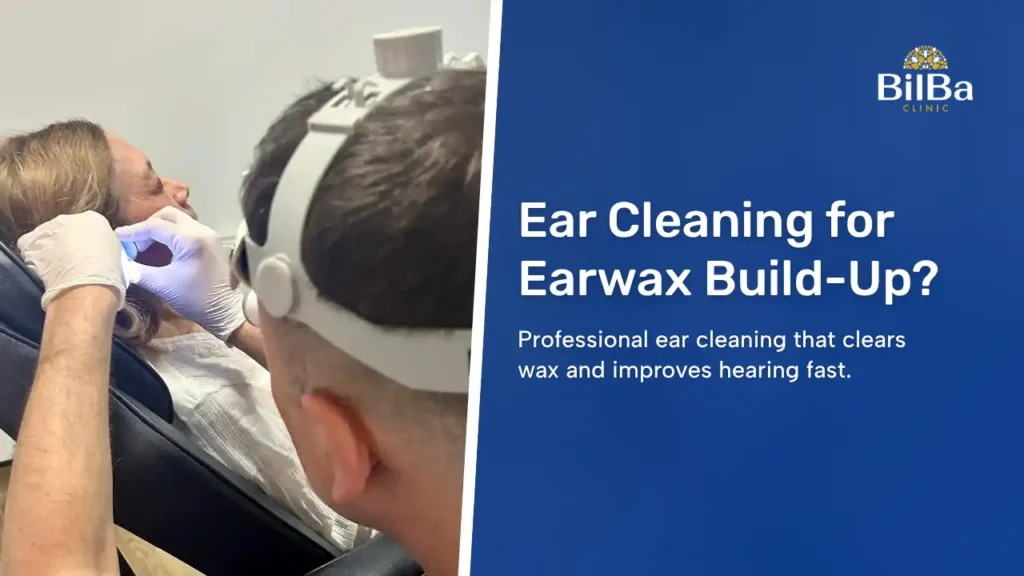
Microsuction removes wax using a small suction device under direct vision through a microscope or otoscope, without using any water at all. This makes it more controlled than irrigation and generally suitable for a wider range of patients, including people with sensitive ears or a history of ear problems that would rule out irrigation. It’s why microsuction has become the preferred method at most private clinics, including ours, and why it’s often the treatment people mean when they ask about same-day earwax build up treatment.
Because the clinician can see the ear canal throughout rather than working by feel, microsuction also tends to be quicker for wax that’s truly compacted and hasn’t responded to drops. There’s a mild noise from the suction device, which some people find unusual on first use, but it isn’t painful, and the whole process for one ear is typically over within a few minutes. For wax that’s especially hard or stuck close to the eardrum, your clinician may soften it with drops for a short period before suction, rather than forcing removal in one go.
How Same-Day Earwax Build Up Treatment Works in Central London
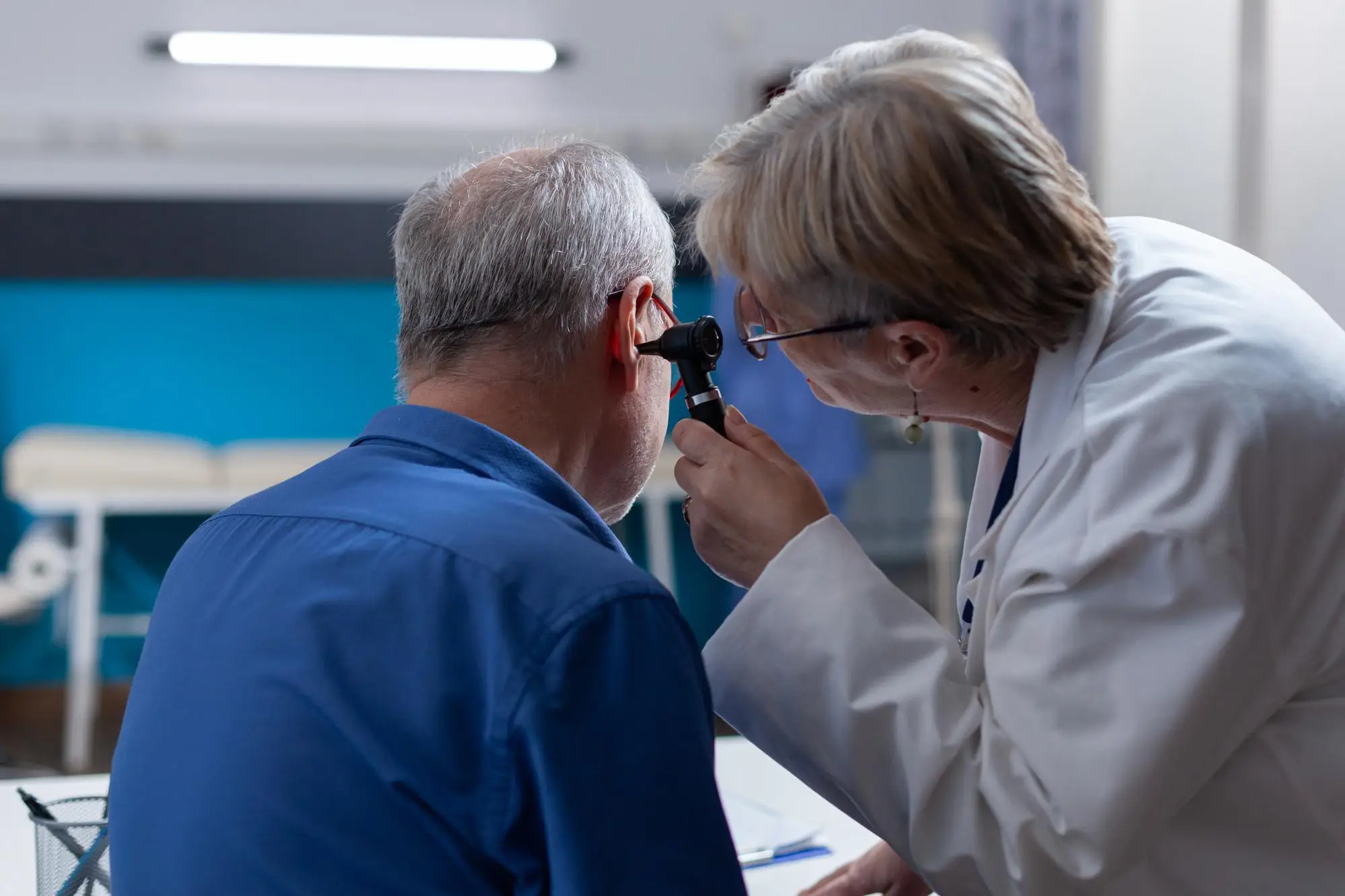
Same-day treatment simply means your assessment and your removal happen in the same visit, rather than being assessed on one day and booked back in for treatment on another. At a private clinic, this is usually possible because appointments aren’t rationed the way NHS capacity often is, and a trained clinician can move straight from examining your ear with an otoscope to carrying out microsuction if it’s the right method for you.
You don’t need a GP referral to book earwax build up treatment privately. This matters given the NHS gap covered earlier: if your GP surgery doesn’t offer earwax removal, or the waiting time doesn’t suit you, going directly to a private clinic in central London skips that step entirely. Most appointments take well under an hour from arrival to leaving with clearer hearing, which is part of why same-day access has become such a common reason people search for private treatment rather than waiting on the NHS pathway.
A typical appointment starts with your clinician asking about your symptoms and how long they’ve been going on, followed by an otoscope examination to see exactly how much wax is present and how it’s sitting in the canal. This step matters because it’s what decides the method, rather than defaulting to microsuction for everyone regardless of what’s actually going on. If microsuction is appropriate, it’s carried out there and then, with the clinician talking you through what they’re doing as they go. Afterwards, most people notice an immediate difference in hearing, though it’s normal for your ear to feel slightly different or more aware of sound for the rest of the day as it adjusts.
Central London’s location also makes same-day access more practical. Being able to book an appointment during a lunch break or straight after work, without needing to take a half-day off or plan around a referral letter, is a big part of why same-day treatment near where you already are tends to work better than waiting for an NHS slot that may or may not materialise.
How Much Does Microsuction Cost
Microsuction pricing varies by clinic and by whether one or both ears need treatment. We’ve broken this down in detail in our guide on cerumen impaction treatment costs in London, which covers the same procedure under its clinical name. As a general starting guide, our current pricing page has the exact, up to date figures for both single-ear and both-ear treatment, so you know what to expect before you book rather than after.
It’s worth weighing that cost against what you’d otherwise spend in time. A private appointment is a single, predictable cost with a known outcome the same day, whereas the NHS route, where it’s available at all, can mean weeks of muffled hearing before a slot comes up, plus the possibility of being told your surgery doesn’t offer the service and having to arrange something privately anyway. For many people, particularly those needing clear hearing for work, that time saved is as much a factor as the price itself.
Choosing an Earwax Removal Clinic London Patients Trust
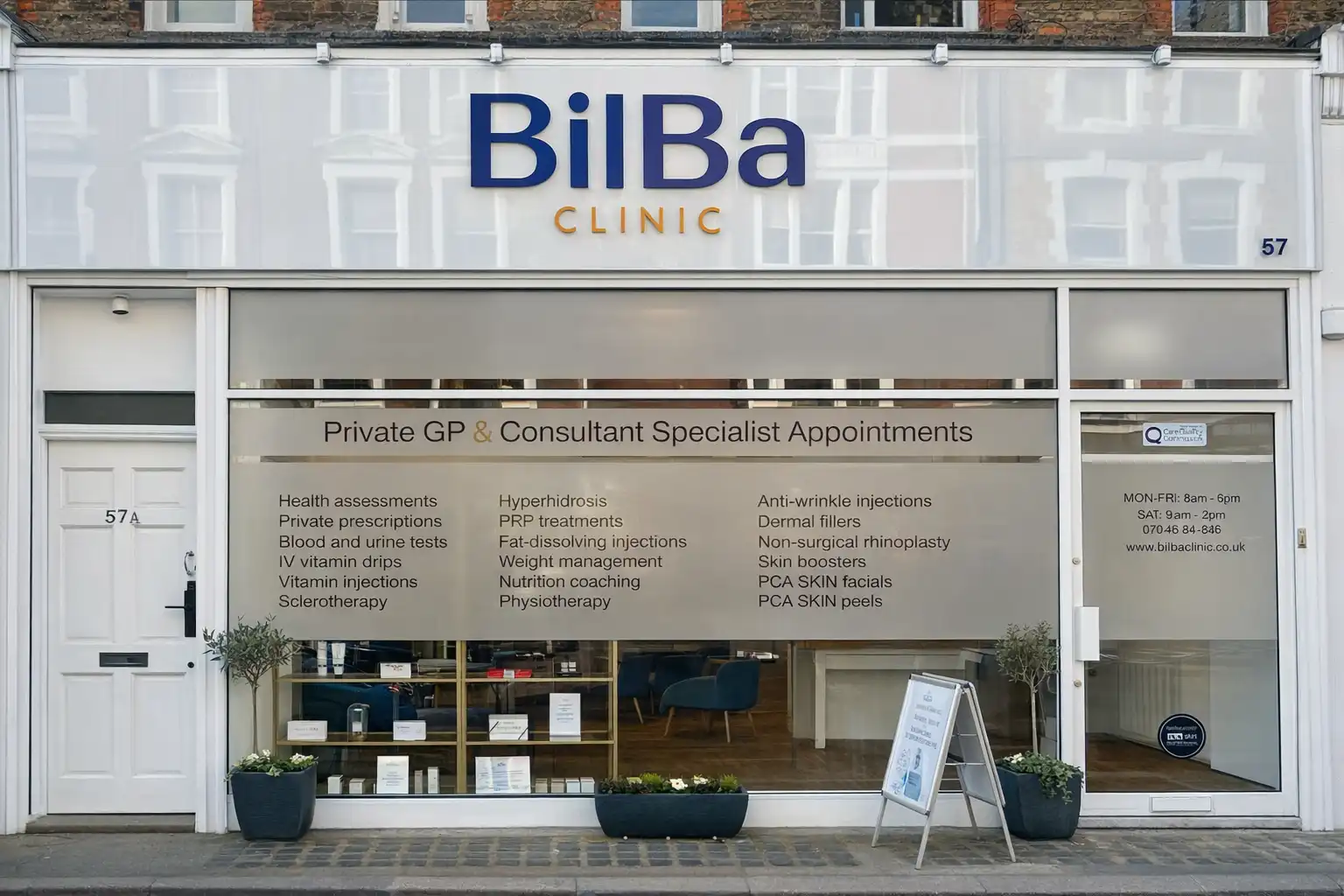
Bilba Clinic is a CQC-registered private clinic in Fitzrovia, London, offering medical, aesthetic and wellbeing care from experienced clinicians. We’re recognised by major insurers including Bupa, Vitality and WPA, alongside patients who prefer to pay for their consultation directly.
Choosing an earwax removal clinic London patients trust usually comes down to a few practical things: whether same-day appointments are actually available, whether the clinician examines your ear properly before treating rather than assuming, and whether the method used actually suits your specific ear rather than a one-size-fits-all approach. It’s also worth asking whether the clinic uses microsuction as standard or only offers irrigation, since microsuction suits a wider range of patients and ear histories. At Bilba Clinic, every appointment starts with a proper otoscope examination, and we’ll always explain what we find and why we’re recommending a particular method before going ahead.
Same-day appointments are often available, though not guaranteed for every booking, so it’s worth calling ahead if your schedule is tight. No GP referral is needed, and you can book directly.
Book a consultation to get started, or contact us if you’d rather talk it through first.
- Address: 57 Great Titchfield Street, Fitzrovia, London W1W 7PN
- Phone: +44 (0) 7858 848 244
- Email: info@bilbaclinic.co.uk
Opening hours:
- Monday to Friday: 10:00 to 18:00
- Saturday: 12:00 to 17:00
- Sunday: Closed
Frequently Asked Questions
Do I Need to Try Ear Drops Before Booking Treatment?
Not strictly, though it’s a sensible first step for mild, recent blockage since it’s free and low-risk. If you’ve already tried drops for several days without improvement, or your symptoms are getting worse, booking straight in for professional removal makes more sense than repeating something that clearly isn’t working.
Is Microsuction Painful?
Most people find microsuction comfortable rather than painful, since no water is used and the clinician can see exactly what they’re doing throughout. Some mild sensation is normal, particularly if the wax is firmly compacted, but it shouldn’t be sharply painful, and you should tell your clinician if it is.
Can I Book Same-Day Treatment Without Seeing a Doctor First?
Yes, you don’t need a GP referral to book earwax removal at a private clinic. Your clinician will examine your ear at the appointment itself and decide on the right method there and then, so the assessment and treatment usually happen in one visit.
What If My Earwax Build Up Isn’t Actually the Problem?
If your symptoms don’t match typical earwax build up, or an examination doesn’t show much wax at all, your clinician should say so honestly rather than treating regardless. Persistent symptoms with no clear earwax cause are worth a wider assessment, since several other conditions can produce similar hearing or ear discomfort.
Will Both Ears Be Treated in the Same Appointment?
If earwax build up is affecting both ears, yes, both can usually be treated in the same visit rather than needing two separate appointments. Your clinician will still assess and treat each ear individually, so if one side is mild and the other more compacted, the approach used for each can differ accordingly.
Do I Need to Do Anything Before My Appointment?
If you know your appointment is coming up, using olive oil or almond oil drops for a few days beforehand can soften the wax and make removal quicker and more comfortable, though it isn’t essential. Avoid inserting cotton buds or anything else into the ear canal in the meantime, since this tends to push wax further in rather than helping. If you wear hearing aids, bringing them along, along with any relevant history of ear surgery or perforation, helps your clinician plan the right approach from the start.
How Long Does Treatment Take?
A same-day appointment, including examination and treatment, typically takes well under an hour. Microsuction on its own is usually only a matter of minutes once your clinician has assessed your ear and confirmed it’s the right method for you.