If you have noticed thin red, blue or purple lines spreading across your calves, thighs or ankles, you are not alone. Thread veins on legs are one of the most common vascular concerns we see, and many patients come to us having lived with them for years, unsure whether they need treatment or whether they are something to worry about.
This guide walks you through everything you need to know about treatment for spider veins on the legs, from understanding what they are and what causes them, to the options available and what your recovery looks like.
What Are Thread Veins on the Legs
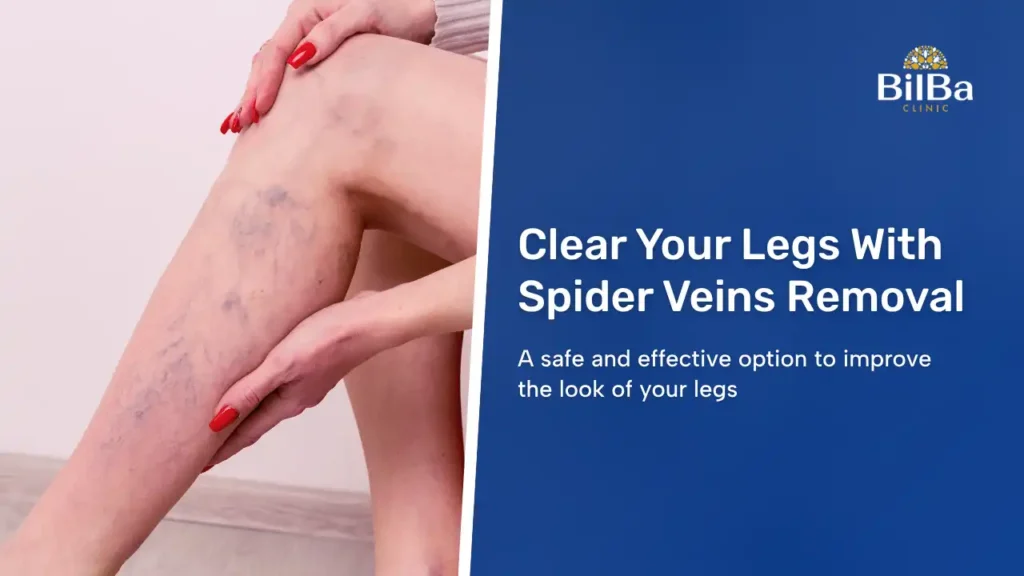
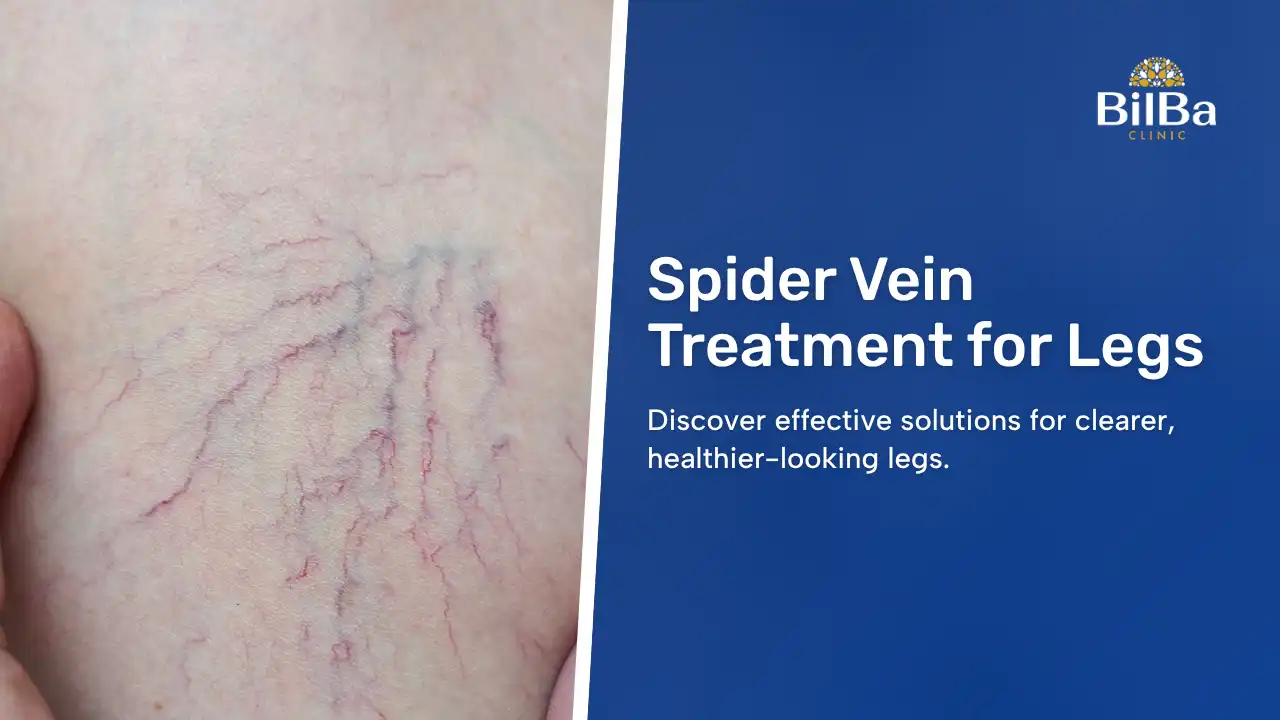
Thread veins on the legs, also known as spider veins or telangiectasia on legs, are tiny dilated blood vessels that sit close to the surface of the skin. They typically appear as fine red, blue or purple lines, often forming a web or branching pattern across the calves, thighs or ankles.
Unlike varicose veins, thread veins are flat rather than raised. They sit flush against the skin and are in most cases a cosmetic concern, though some patients experience mild aching, itching or a sensation of heaviness in the legs alongside them. They are extremely common and can develop at any age, though they become more frequent as we get older.
Why Are Spider Veins Appearing on My Legs
Understanding the causes of spider veins on legs is the first step toward finding the right treatment. Thread veins develop when small valves inside the veins weaken or fail, causing blood to pool. Over time, this increased pressure causes the vessel walls to expand and become visible beneath the skin.
Several factors contribute to thread veins appearing on legs:
- Genetics plays the biggest role. If your parents or grandparents had thread veins, your chances of developing them are significantly higher.
- Prolonged standing or sitting is a very common trigger, particularly for nurses, teachers and retail workers.
- Hormonal changes linked to pregnancy, the contraceptive pill or the menopause can weaken vein walls considerably.
- Excess weight increases pressure on the leg veins, making thread veins more likely to develop over time.
- Age naturally reduces the elasticity of vein walls, making visible surface veins more likely with each passing year.
- Sun exposure over many years can damage the skin and underlying blood vessels, particularly on the lower legs.
When you come to us for an assessment, we take time to understand your history and identify the likely contributing factors so we can recommend the most appropriate treatment for your situation.
What Are the Red Veins on My Legs and Are They the Same as Varicose Veins
This is one of the most common questions we hear. Spider veins vs varicose veins on legs are frequently confused, but they are different conditions requiring different approaches.
Spider veins or thread veins are fine, flat and close to the skin surface. They are usually red, purple or blue and do not typically cause significant physical symptoms. Varicose veins are larger, rope-like veins that bulge visibly above the skin and are more likely to cause aching, swelling, heaviness and in some cases skin changes or ulcers around the ankle. Thread veins can sometimes coexist with underlying varicose veins, which is exactly why we carry out a proper vascular assessment before recommending any treatment.
Are Thread Veins Dangerous and What Are Thread Veins a Sign of
For most people, thread veins are not dangerous. They are a cosmetic concern rather than a medical emergency. However, what thread veins are a sign of can in some cases go beyond appearance alone.
In a small number of patients, visible thread veins on the legs can be an early indicator of underlying venous insufficiency, where the deeper veins are not functioning efficiently. This is why we always recommend a clinical assessment, which may include an ultrasound vascular doppler scan, as part of the diagnosis process before any treatment begins.
If you are also experiencing leg swelling, persistent aching, heaviness or skin discolouration around your ankles, we would encourage you not to dismiss these as purely cosmetic. We can assess this quickly and give you a clear picture of what is happening beneath the surface.
How to Treat Thread Veins on Legs and What Options Are Available
There is no single answer to how to fix spider veins on legs, as the right treatment depends on the size of the veins, their location and whether any underlying vascular concerns are present. The reassuring news is that effective, minimally invasive options are available and surgery is rarely necessary.
The two most clinically proven treatments for thread veins on legs that we offer are sclerotherapy and laser treatment.
Sclerotherapy for Spider Veins on Legs
Sclerotherapy is widely regarded as the gold standard treatment for spider veins on the legs and has been used safely for decades. During the procedure, we inject a small amount of sclerosant solution directly into the affected veins using a very fine needle. You may feel a mild pinch or brief sting during the injection, which most patients tolerate very comfortably. The solution irritates the vein wall, causing it to collapse and seal. Your body then gradually absorbs the treated vein over the following weeks.
Foam sclerotherapy for spider veins uses a foam-based version of the sclerosant, which is particularly effective for slightly larger surface veins. Importantly, it also targets the reticular feeder veins beneath the surface, which reduces the likelihood of spider veins returning in the same treated area. It is often performed under ultrasound guidance to ensure accuracy and is one of the most effective options for thread vein treatment for legs we provide.
Most patients require between two and four sessions, spaced four to six weeks apart, to achieve the best results. Each session typically takes 30 to 45 minutes, and each treatment session can eliminate around 50 to 80 percent of the injected veins.
Laser Treatment of Spider Veins on Legs
Laser treatment for spider veins on legs delivers a precise beam of light energy into the affected vessel, causing it to collapse and fade without injections. Most patients describe the sensation as similar to a quick elastic band snap against the skin. This makes it a popular choice for those who prefer to avoid needles or who have very fine, superficial veins.
Endovenous laser ablation is a more advanced technique we use for larger varicose veins, while surface laser treatment is more commonly used for smaller thread veins on the legs. Results develop gradually over several weeks as your body clears the treated vessels naturally.
During your consultation with us, we will assess your veins carefully and recommend the most suitable option for your individual situation.
Who May Not Be Suitable for Treatment
Not everyone is immediately suitable for sclerotherapy, and we always carry out a thorough medical assessment before proceeding. Treatment is generally not recommended for those who are pregnant or breastfeeding. Patients with a history of deep vein thrombosis, uncontrolled diabetes, severe allergies to sclerosing agents or those currently taking anticoagulant medication will need to discuss their suitability with us before any treatment is planned. We guide you through this fully at your consultation so you always have complete clarity on what is right for you.
How to Prepare for Your Spider Vein Treatment Appointment
Coming to your appointment prepared makes a real difference to both your comfort and your results. We ask that you avoid applying any creams, lotions or moisturisers to your legs on the day of treatment. Avoid shaving or waxing the area for at least 24 hours beforehand. If you take aspirin or anti-inflammatory medications such as ibuprofen, let us know as these may need to be paused for several days before your procedure. Wear loose, comfortable clothing and bring or wear flat shoes to allow for compression stockings applied after treatment. Avoid sun exposure or tanning for one to two weeks before your appointment.
How to Remove Thread Veins on Legs Permanently
A question we hear often is whether thread veins return after treatment. Treated veins that have been successfully collapsed do not reopen. However, new thread veins can develop over time due to the same underlying factors, particularly genetics and lifestyle.
Treatment for spider veins on the legs produces long-lasting results for the veins treated, but does not prevent new ones from forming in the future. We always advise our patients on practical steps to slow this process, including wearing compression stockings, staying active and protecting the skin from excessive sun exposure.
What to Expect After Sclerotherapy for Spider Veins
Knowing what to expect after sclerotherapy for spider veins helps you feel prepared and confident going into your recovery.
Immediately after treatment, the treated area may appear red, slightly raised or bruised. This is a normal response and usually settles within a few days. Some patients notice the veins initially look darker before they begin to fade, which typically takes between two and twelve weeks depending on the size of the vessels.
Compression stockings after sclerotherapy are a standard part of recovery. We recommend wearing them continuously for the first 48 to 72 hours, then during the day for up to two weeks. They help support the treated veins and encourage them to close correctly.
Aftercare for spider vein treatment is straightforward. Walking is actively encouraged from the day of treatment as it promotes healthy circulation. Strenuous exercise, saunas, swimming and prolonged sun exposure should be avoided for at least two weeks. We also advise avoiding flying for one to two weeks following treatment due to the increased risk of deep vein thrombosis during long periods of immobility.
Thread Veins on Legs Removal and Recovery Timeline
Spider vein treatment recovery time is reassuringly short for most patients. The majority return to their normal daily routine on the same day or the following day with no hospital stay required.
How long spider veins take to disappear after treatment depends on their size and the treatment used. Fine red thread veins often fade within three to six weeks. Larger blue or purple vessels may take two to three months to fully clear.
Spider vein treatment side effects are generally mild and temporary, including bruising, slight swelling, temporary skin staining and in rare cases a small cluster of fine new vessels near the treated area. We discuss all of this with you during your consultation so there are no surprises.
Thread Vein Treatment for Legs at a Private Clinic in the UK
Treatment for thread veins on legs in the UK is not available through the NHS in most cases, as it is considered a cosmetic procedure. Choosing the right private clinic is therefore an important decision.
When you come to us, your journey begins with a thorough diagnostic assessment. We do not offer treatment without first understanding your vein health fully. Where clinically appropriate, we use an ultrasound vascular doppler to assess blood flow and check for any underlying venous concerns contributing to your thread veins. All treatments are delivered by experienced vascular clinicians in a CQC-regulated environment, with transparent pricing and full aftercare support.
We Are Here to Help You Take the Next Step
If thread veins on your legs have been affecting your confidence, causing discomfort or simply making you wonder whether something more is going on beneath the surface, getting answers is simpler than you might think.
We guide you through every stage of the process. From your very first consultation, we help you understand exactly what your thread veins mean, what is causing them and what the most appropriate treatment looks like for you. You will never feel rushed and we will never recommend a treatment you do not need.
Whether you are considering treatment for spider veins on the legs for the first time or you have had concerns for a while and are finally ready to act, we are here to make that process clear and reassuring. Feel free to contact us directly and our team will be happy to answer any questions before you book.
You can book an appointment with us through our General and Vascular Surgery page, where you will find full details of every treatment we offer along with our transparent pricing. If you would like to understand more about what your consultation involves before booking, our Private GP Services page gives you a helpful overview of how we approach diagnosis and patient care.
We can assess this quickly, give you clear answers and guide you on the next steps. You do not need a GP referral. Same-day appointments are available and our team is ready to help you.
Book your consultation today and take the first step toward clearer, healthier legs.