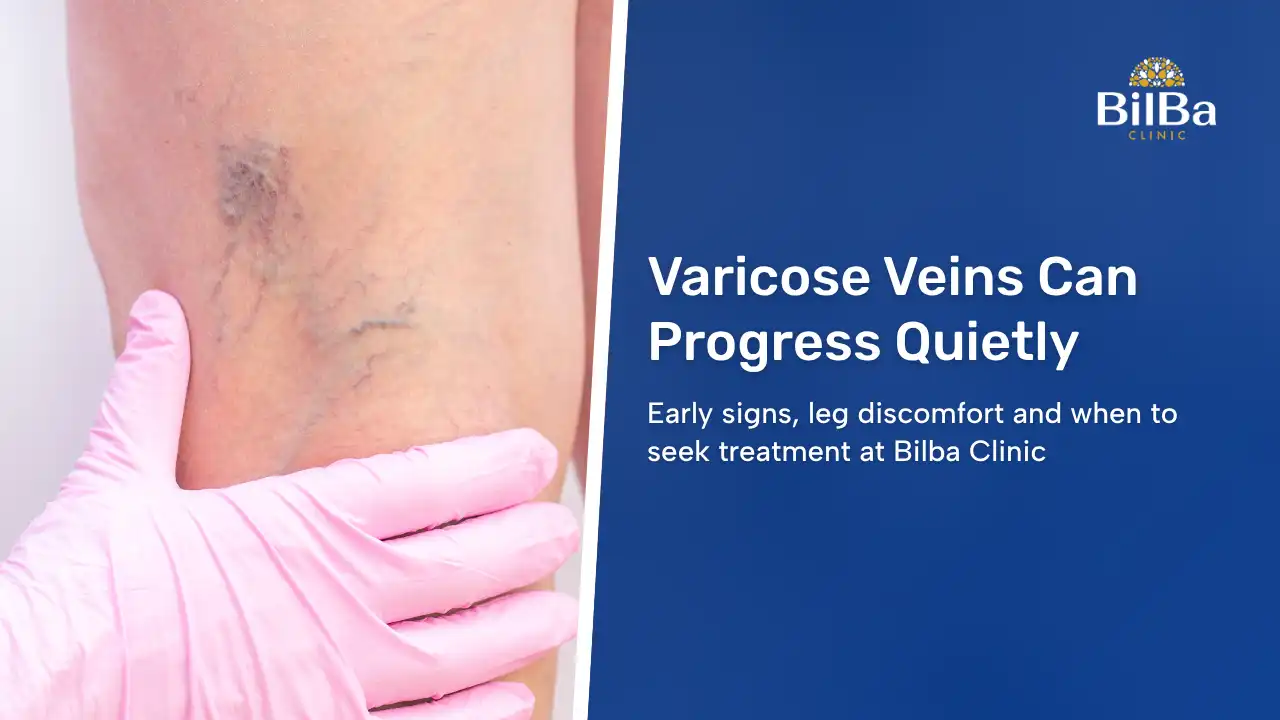
Many people live with visible veins on legs for years before realising the symptoms may be linked to circulation problems. At first, the signs can seem mild. You may notice aching legs after standing all day, swelling around the ankles, or heavy legs that feel tired by the evening. Because symptoms often develop gradually, varicose veins are commonly overlooked until discomfort starts affecting everyday life.
For some people, the veins remain mostly cosmetic. For others, symptoms slowly progress and begin causing swelling, throbbing discomfort, skin irritation, or restless legs at night. This is why early assessment matters. Identifying vein problems sooner may help prevent symptoms becoming more uncomfortable over time.
At Bilba Clinic, our experienced vascular surgeons assess and treat varicose veins in a CQC-regulated clinical setting. We help you understand what these symptoms may mean and whether further assessment or treatment could help improve your comfort and circulation.
What Varicose Veins Mean and Why They Develop
Varicose veins are enlarged veins that usually appear in the legs and feet when blood does not flow efficiently back towards the heart. Small valves inside the veins normally help move blood upwards against gravity. When these valves weaken or stop working properly, blood can collect inside the veins, causing pressure, swelling, and enlarged visible veins beneath the skin.
Varicose veins can affect people differently. Some people mainly notice cosmetic changes, while others experience aching legs, heavy legs, swollen veins in the legs, or ongoing discomfort after standing for long periods.
The condition often progresses slowly, which means early symptoms may not always seem serious at first.
Why Some People Develop Varicose Veins Earlier Than Others
Several factors can increase pressure inside the veins and make varicose veins more likely to develop.
Standing or Sitting for Long Periods Can Affect Circulation
When you stand or sit for long periods, blood may struggle to circulate efficiently through the leg veins. Over time, this pressure can contribute to swollen veins in the legs and visible vein enlargement. People working in healthcare, retail, office environments, hospitality, and beauty services may notice symptoms becoming worse after long shifts. Simple measures such as walking regularly and elevating the legs may help support circulation.
Family History and Ageing Can Influence Vein Health
Some people naturally inherit weaker vein walls or valves. Ageing may also reduce vein elasticity, making blood flow less efficient over time. This can increase the likelihood of:
- bulging veins in legs
- visible veins on legs
- swollen veins in feet
- heavy legs
- aching legs
Symptoms often become more noticeable gradually rather than suddenly.
Pregnancy and Hormonal Changes Can Increase Pressure in Leg Veins
Hormonal changes and increased blood volume during pregnancy can place extra strain on the veins. Some women notice varicose veins in upper thighs, swelling around the ankles, or visible veins becoming more noticeable during pregnancy.
Varicose veins in upper thighs tend to appear along the inner thigh and may present as rope-like or blue-tinged veins running upward from the knee. They are more common during pregnancy because rising oestrogen levels and increased pelvic pressure affect the veins higher up the leg. In some cases, they can also develop in people with greater venous pressure independent of pregnancy.
While symptoms sometimes improve afterwards, some enlarged veins may remain visible long term.
Weight Changes and Reduced Movement May Worsen Symptoms
Reduced movement and excess pressure on the lower limbs can affect circulation and increase discomfort linked to vein disease. Regular movement may help reduce feelings of heaviness and swelling in the legs.
The Early Signs of Varicose Veins Are Often Easy to Miss
Varicose vein early signs are not always obvious. Many people assume their symptoms are simply linked to tiredness, standing too long, or ageing. Common early signs and symptoms of varicose veins can include:
- visible veins on legs
- visible veins on foot
- aching legs
- heavy legs
- mild ankle swelling
- swollen veins in feet
- throbbing discomfort
- itching near enlarged veins
- tired legs later in the day
Some people also experience discomfort after long periods of sitting or standing.
Visible Veins on Legs Can Slowly Become More Noticeable
At first, veins may appear as thin blue or purple lines beneath the skin. Over time, some veins gradually enlarge and become bulging veins in legs.
The appearance of veins does not always reflect symptom severity. Some people with smaller veins still experience discomfort or circulation problems.
Heavy Legs and Aching Legs Often Become Worse Later in the Day
Heavy legs and aching legs are common symptoms linked to poor circulation inside the veins. You may notice:
- throbbing discomfort
- tiredness in the calves
- pressure around the lower legs
- worsening symptoms after standing
These symptoms may temporarily improve after resting or elevating the legs.
Swollen Veins in Feet May Sometimes Suggest Circulation Problems
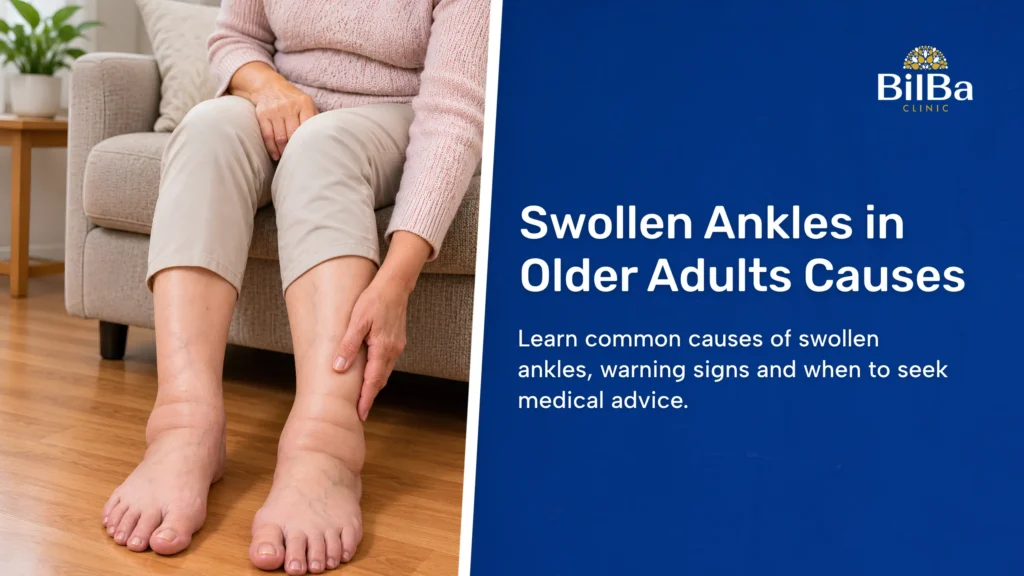
Swollen veins in feet and ankle swelling may develop when blood flow becomes less efficient. Persistent swelling should be assessed if it becomes painful, progressively worse, or affects one leg more than the other.
When Varicose Veins Become More Than a Cosmetic Concern
Some varicose veins remain stable for years, while others continue progressing gradually. Ongoing pressure inside the veins may eventually affect the surrounding skin and tissues.
Mild Symptoms Compared With More Serious Symptoms
| Mild Symptoms | Symptoms That Should Be Assessed |
| Mild visible veins | Sudden swelling in one leg |
| Occasional aching | Persistent tenderness |
| Cosmetic concerns | Skin colour changes |
| Mild heaviness | Warm or painful veins |
| Mild swelling | Possible varicose vein clot symptoms |
Understanding the difference between mild and more concerning symptoms can help you decide when to seek medical advice.
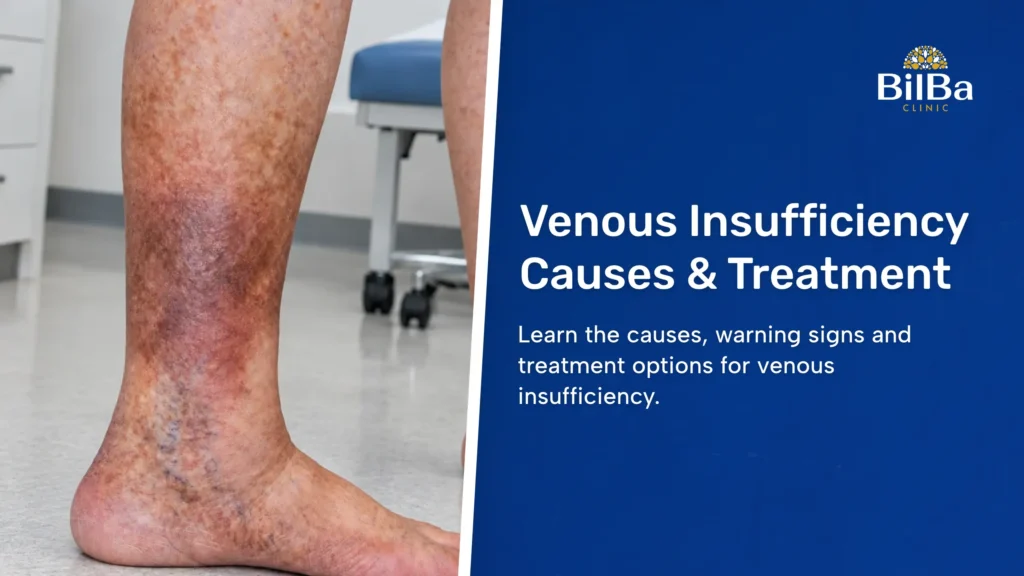
Skin Changes Around the Ankles Can Suggest Progression
As circulation problems continue, some people develop:
- dry skin
- discolouration around the ankles
- tenderness
- skin thickening
- irritation around enlarged veins
These changes may suggest chronic venous insufficiency and should not be ignored. If you are unsure whether your symptoms need further assessment, we can assess this quickly and help you understand what your symptoms may mean.
How We Check Varicose Veins and Circulation Problems
At Bilba Clinic, we begin with a detailed discussion about your symptoms, circulation concerns, and medical history. We assess how symptoms are affecting your comfort, movement, and daily routine. We may examine:
- enlarged veins
- swelling
- skin changes
- areas of tenderness
- circulation concerns in the legs and feet
In some cases, we may recommend an Ultrasound Vascular Doppler a non-invasive scan that assesses blood flow in the arteries and veins to identify circulation problems and guide treatment decisions. This is available at our clinic
Assessment can also help rule out other causes of:
- swollen veins in the legs
- persistent swelling
- aching legs
- circulation-related discomfort
We guide you on the next steps clearly so you understand whether monitoring, lifestyle support, or treatment may be appropriate.
Treatment Options for Varicose Veins Depend on Your Symptoms
Treatment recommendations vary depending on vein size, symptom severity, circulation findings, and your overall vascular health.
Lifestyle Changes May Help Mild Symptoms
For mild symptoms, we may recommend:
- regular walking
- leg elevation
- avoiding prolonged standing
- compression stockings
- maintaining movement throughout the day
These measures may help support circulation and improve comfort.
Foam Sclerotherapy May Help Varicose Veins Causing Aching and Swelling
Foam Sclerotherapy is an ultrasound-guided injection treatment used for varicose veins that are causing symptoms such as aching and swelling. A foam solution is injected into the affected veins, causing them to gradually close and fade over time. It does not require surgery and is available at our clinic from £499. Some people may require more than one session depending on the extent of the veins being treated.
Endovenous Laser Ablation (EVLA) Is Recommended for Larger Symptomatic Veins
Endovenous Laser Ablation (EVLA) is a minimally invasive laser treatment for larger or more symptomatic varicose veins. The procedure seals faulty veins under ultrasound guidance with a quick recovery and high success rates. It is widely used as an alternative to traditional vein stripping surgery and is performed under local anaesthetic. Compression stockings are usually recommended after treatment to support healing.
You can view our full treatment pricing on our General Vascular Surgery page.
Warning Signs You Should Not Ignore With Varicose Veins
Although many varicose veins are not dangerous, some symptoms require prompt medical assessment.
Warning signs can include:
- sudden swelling in one leg
- warmth or redness around a vein
- severe tenderness
- hard painful veins
- increasing swelling
- skin ulcers
- worsening skin discolouration
- possible varicose vein clot symptoms
Varicose vein clot symptoms typically present as a hard, painful, warm, or reddened area along a visible vein — a condition known as superficial thrombophlebitis. This is different from a deep vein thrombosis (DVT), which affects deeper veins and can cause more widespread leg swelling and tenderness. Both conditions require prompt medical assessment. If you notice a sudden hard or painful change in a vein, you should seek advice without delay.
These symptoms do not always indicate a serious condition, but they should not be ignored.
If you notice sudden changes in swelling, pain, or skin appearance, you can book an appointment with us so we can assess your symptoms and guide you on the next steps.
When Should You Seek Medical Consultation for Varicose Veins
Many people delay assessment because symptoms develop slowly over time. However, seeking medical advice early may help prevent symptoms becoming more uncomfortable or difficult to manage later.
You should consider booking an assessment if you experience:
- persistent aching legs
- heavy legs affecting daily activities
- swollen veins in feet
- bulging veins in legs
- ongoing swelling around the ankles
- visible veins becoming larger
- discomfort affecting sleep or mobility
You do not need a GP referral to book an assessment at Bilba Clinic. You can book directly for a vascular consultation at any time. We can help you understand whether your symptoms are linked to vein disease or another circulation problem.
Early assessment also allows us to discuss suitable treatment options before symptoms continue progressing.
Why Many Patients Look for Varicose Veins Treatment in London
Many patients prefer private assessment because it offers quicker access to vascular advice, circulation assessment, and treatment planning without long waiting times.
At Bilba Clinic, our vascular surgeons regularly assess concerns linked to:
- visible veins on legs
- swollen veins in the legs
- swollen veins in feet
- aching legs
- leg heaviness and venous fatigue
- circulation problems
- visible veins on foot
Our team focuses on helping you understand the cause of your symptoms clearly and guiding you towards the most appropriate next steps for your vein health.
You can also explore our:
- General Vascular Surgery services
- Private GP consultations
- Specialist vascular assessments
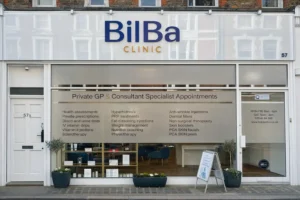
We Help You Understand the Best Next Steps for Varicose Veins at Bilba Clinic
Living with varicose veins can affect more than appearance alone. Many people experience discomfort, swelling, heaviness, skin irritation, or worry about symptoms gradually worsening over time. You may also feel unsure whether your symptoms are mild or whether they need proper vascular assessment.
At Bilba Clinic, we take time to assess your symptoms carefully and explain what they may mean for your circulation and long-term vein health. We help you understand whether your symptoms may improve with lifestyle measures or whether further treatment could help reduce discomfort and prevent progression. When you visit us, we can:
- assess your circulation and vein symptoms
- explain possible causes clearly
- arrange appropriate vascular investigations where needed
- discuss suitable treatment options
- guide you through the next steps with reassurance and clarity
If you are concerned about enlarged leg veins, swollen veins in the legs, aching legs, or leg heaviness, you do not need to continue guessing whether symptoms are normal. You also do not need a GP referral you can book directly with us for a personalised vascular assessment.
You can book an appointment with us for a personalised vascular assessment and clear advice on the most suitable next steps for your symptoms. You can also learn more about our:
- General Vascular Surgery services
- Private GP appointments
- Specialist vascular consultations
Frequently Asked Questions About Varicose Veins
Can Varicose Veins Cause Pain?
Yes, varicose veins can cause pain and discomfort in the legs. Some people experience aching legs, throbbing sensations, heaviness, or burning discomfort that becomes worse after standing for long periods. Symptoms may gradually worsen over time if circulation problems continue.
Does Varicose Vein Pain Go Away?
Varicose vein pain may improve temporarily with rest, walking, leg elevation, or compression stockings. However, symptoms do not always disappear completely without addressing the underlying vein problem. Persistent discomfort should be assessed if it regularly affects your daily activities or mobility.
What Are the Early Signs and Symptoms of Varicose Veins?
Early signs and symptoms of varicose veins often begin subtly and may include:
- visible veins on legs
- aching legs
- heavy legs
- mild swelling around the ankles
- throbbing discomfort
- itching near enlarged veins
Some people also notice symptoms becoming worse later in the day or after standing for long periods.
What Are the Early Signs of Varicose Veins in Legs?
Early signs of varicose veins in legs may include blue or purple veins beneath the skin, mild swelling, heaviness, and tiredness in the legs. In some cases, veins gradually become more enlarged before larger bulging veins in legs develop.
What Are the Beginning Symptoms of Varicose Veins?
The beginning symptoms of varicose veins can vary between people. Common symptoms include:
- aching legs
- heavy legs
- visible veins on foot
- swollen veins in feet
- mild throbbing
- discomfort after standing
Recognising symptoms early may help you seek medical advice before circulation problems become more advanced.
What Is the Treatment of Varicose Veins During Pregnancy?
Treatment of varicose veins during pregnancy usually focuses on symptom management and circulation support. We may recommend:
- regular walking
- leg elevation
- compression stockings
- avoiding prolonged standing
- maintaining gentle movement
Some invasive vein treatments may be delayed until after pregnancy depending on symptoms and circulation findings.
What Is the Treatment of Varicose Veins in Feet?
Treatment of varicose veins in feet depends on symptom severity and the underlying circulation problem. Mild symptoms may improve with compression therapy, movement, and circulation support. In some cases, we may recommend further vascular assessment to identify suitable treatment options.
Can Varicose Veins Get Worse Over Time?
Yes, varicose veins can gradually worsen if circulation problems continue. Some people notice increasing swelling, discomfort, skin changes, or larger bulging veins over time. Early assessment may help identify suitable management options before symptoms become more severe.
When Should I Worry About Varicose Veins?
You should seek medical advice if varicose veins become painful, swollen, warm, or suddenly change in appearance. Symptoms such as skin discolouration, ulcers, or possible varicose vein clot symptoms — including a hard, painful, or warm area along a vein — should also be assessed promptly.
Do Varicose Veins Always Need Treatment?
Not all varicose veins require treatment. Some people only experience mild cosmetic concerns, while others develop symptoms that affect comfort and circulation. We can assess your symptoms and help you understand whether monitoring, lifestyle support, or treatment may be appropriate.