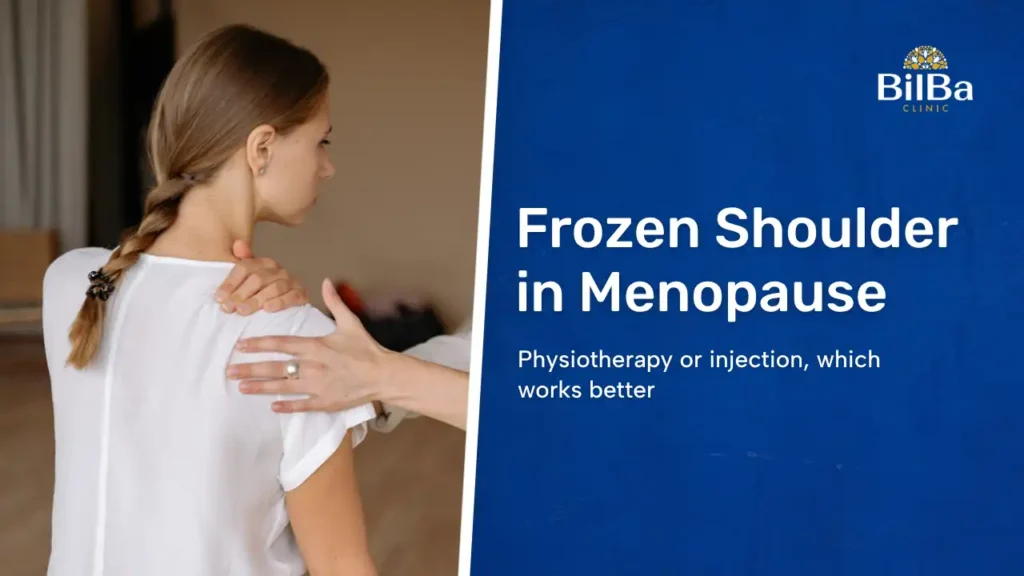
Menopause and joint pain often appear at the same time and many women notice it suddenly. If your knees, hands, or shoulders start aching, you are not alone.
Joint pain during menopause is common. Many women in the UK experience menopause and joint pain during peri-menopause and menopause. You may wonder why this is happening now. In many cases, it is linked to changes in hormones.
What Causes Menopause and Joint Pain?
Can menopause cause aching joints?
Yes, menopause can cause aching joints. It is a common reason many women develop pain without injury. Menopause and joint muscle pain often begins when hormone levels drop. Lower oestrogen levels may affect inflammation, joint lubrication and pain sensitivity.
You may notice:
- Stiff fingers in the morning
- Knee pain after sitting
- A dull ache that comes and goes
How estrogen affects your joints?
Estrogen helps keep joints healthy. It reduces inflammation and supports smooth movement. During menopause, estrogen levels fall. This can cause:
- More inflammation around joints
- Reduced lubrication
- Stiffness and discomfort
This is why joints may feel tight or sore. In some cases, doctors may discuss hormone therapy HRT to manage these symptoms.
Why joint pain starts during peri menopause?
Peri menopause and joint pain can begin before menopause fully starts. Hormone levels fluctuate during this stage. You may notice early signs like:
- Sudden stiffness
- Mild but frequent aches
- Pain that comes and goes
These changes are often mistaken for ageing, but they are linked to hormonal shifts.
What Are the Symptoms of Joint Pain During Menopause?
Joint pain during menopause can feel different for each woman. It may start gradually and worsen over time.
Common joint pain menopause symptoms
Most women notice similar symptoms:
- Morning stiffness
- Pain in knees, hands, and shoulders
- Aching joints without injury
- Reduced flexibility
For example, your hands may feel stiff when you wake up, or your knees may hurt after resting.
Which joints are commonly affected during menopause?
Menopause and joint pain can affect different areas of the body. Some women experience mild stiffness, while others develop ongoing discomfort that affects daily movement. The most commonly affected joints include:
- Knees
- Hands and fingers
- Shoulders
- Hips
- Neck
- Lower back
Many women notice pain after resting or waking up in the morning. Others feel stiffness after sitting for long periods. Menopause and joint muscle pain may also affect nearby muscles and soft tissues. This can make movement feel more difficult and reduce flexibility over time.
Joint pain during menopause can affect one area or multiple joints at the same time. Symptoms may come and go, especially during peri menopause when hormone levels fluctuate.
How Joint Pain During Menopause Affects Your Daily Life?
Over time, joint pain can affect your routine. You may experience:
- Difficulty moving or staying active
- Pain while walking or bending
- Trouble sleeping due to discomfort
- Avoiding normal activities
Even simple daily tasks can feel more difficult.

Can Menopause and Joint Pain Get Worse Over Time?
Yes, symptoms can worsen if not treated. Mild discomfort can turn into ongoing joint problems.
Risk of Long Term Joint Problems During Menopause
Long-term joint pain can lead to:
- Osteoarthritis
- Chronic stiffness
- Reduced mobility
This can affect your independence and daily comfort. Menopause may increase the risk of worsening existing joint conditions such as osteoarthritis.
Could Joint Pain Be Caused by Something Else?
Not all joint pain during menopause is caused only by hormone changes. Some medical conditions can cause similar symptoms and may need different treatment.
Other possible causes of joint pain include:
- Osteoarthritis
- Rheumatoid arthritis
- Vitamin D deficiency
- Thyroid disorders
- Autoimmune conditions
- Previous joint injuries
In some cases, menopause may worsen existing joint conditions rather than directly causing them.
If your symptoms are severe, persistent, or affecting your daily life, a medical assessment can help identify the underlying cause. Blood testing and clinical assessment may also help rule out other conditions linked to joint pain and inflammation.
When Should You Seek Medical Help?
You should seek help if pain becomes persistent or affects your routine. Signs to watch for include:
- Ongoing discomfort
- Limited movement
- Pain affecting sleep or activity
Early support can prevent further problems.
Joint Pain in Menopause Treatment Options
There are several joint pain in menopause treatment options available depending on your symptoms.
Lifestyle Changes That May Help
Simple changes can support joint health. Regular movement helps reduce stiffness, while a balanced diet can lower inflammation.
Vitamin and hormone deficiencies can sometimes worsen menopause and joint pain. Blood testing may help identify contributing factors such as low oestrogen, vitamin D deficiency, or thyroid imbalance.
Maintaining a healthy weight also reduces pressure on joints. In some cases, weight loss management treatment can provide additional support, especially if symptoms are persistent. These steps can improve symptoms but may not be enough on their own.
Medical Treatment for Menopause and Joint Pain
If symptoms continue, medical treatment is important. Many cases are linked to hormone imbalance.
A proper assessment can help identify the cause. Treatment may include anti-inflammatory medication, lifestyle support, hormone replacement therapy (HRT) and targeted menopause care or hormone therapy HRT to support hormone levels. Menopause is often diagnosed based on symptoms and medical history. In some cases, blood tests may help assess hormone levels or rule out other causes of joint pain.
If you are experiencing ongoing symptoms, consider professional menopause treatment or getting the right hormone support for menopause to manage your condition effectively.
At Bilba Clinic, menopause care may include hormone blood testing, GP assessment, personalised hormone replacement therapy (HRT), and screening for vitamin or thyroid deficiencies that may contribute to joint pain.
Can Hormone Therapy HRT Help Joint Pain?
Hormone replacement therapy HRT may help reduce menopause and joint pain in some women. Falling oestrogen levels during menopause can affect inflammation, joint lubrication, and pain sensitivity. HRT works by supporting hormone levels and helping manage menopause symptoms.
Some women notice improvements in:
- Joint stiffness
- Morning aches
- Muscle discomfort
- Mobility and flexibility
HRT is not suitable for everyone. Your medical history, symptoms, and overall health should always be assessed before starting treatment.
At Bilba Clinic, we provide personalised menopause treatment London services to help identify the most suitable approach for your symptoms. This may include hormone assessment, blood testing, and ongoing menopause support.
Where to Get Menopause Treatment in London
If you are looking for menopause treatment in London, choosing the right clinic matters. At Bilba Clinic, care is focused on women’s health. You receive a detailed hormone assessment and a treatment plan based on your needs. The aim is to reduce pain, improve joint function, and help you feel more comfortable in daily life.
Why Choose Bilba Clinic for Menopause Care?
At Bilba Clinic, we provide personalised menopause care focused on your symptoms, hormone health, and overall wellbeing. We understand that menopause and joint pain can affect your comfort, movement, sleep, and daily routine.
Our menopause treatment London services include:
- GP-led menopause consultations
- Hormone assessment
- Blood testing
- Personalised hormone therapy HRT support
- Ongoing symptom management
We take time to understand your symptoms and recommend the most suitable treatment plan for your needs. Our aim is to help reduce discomfort, improve mobility, and support your long-term health during menopause.
Frequently Asked Questions About Menopause and Joint Pain
Does menopause joint pain ever go away?
For some women, menopause and joint pain improves as hormone levels stabilise over time. However, others may continue to experience stiffness and discomfort for several years. Lifestyle changes, menopause support, and medical treatment may help reduce symptoms and improve daily comfort.
How long does menopause joint pain last?
Joint pain during menopause can last for several months or longer depending on hormone changes, overall health, and existing joint conditions. Symptoms are often more noticeable during peri menopause when hormone levels fluctuate more frequently.
Can menopause cause aching joints in all areas?
Yes, menopause can cause aching joints in different parts of the body. Many women experience pain in the knees, hands, shoulders, hips, neck, or lower back. Symptoms may affect one joint or multiple areas at the same time..
Is joint pain during menopause normal?
Yes, joint pain menopause symptoms are common during peri menopause and menopause. Falling oestrogen levels may affect inflammation and joint lubrication, leading to stiffness and discomfort. Persistent or severe pain should still be medically assessed.
Does hormone therapy HRT help joint pain?
Hormone therapy HRT may help reduce menopause and joint pain in some women by supporting hormone levels. Some women notice improvements in stiffness, mobility, and joint discomfort after treatment. A medical assessment is important to determine whether HRT is suitable for you.
When to Seek Help for Menopause and Joint Pain?
If your symptoms are affecting your daily life, it is time to take action. Early treatment can reduce pain and improve mobility. You can also consult one of our GPs for a full assessment and personalised advice.
You can book a consultation to arrange your consultation and get the right support. Early treatment can help reduce discomfort and improve movement.