
If you’re asking whether fat grafting in face is the answer to lost volume, the answer is often yes, but it depends on your goals. Fat grafting in face means taking a small amount of your own fat from another part of your body and moving it to your face. It adds real volume back to areas that look sunken or tired. Faces naturally lose fat and structure as we age, which is why cheeks and temples can start to look flatter or more tired over time, even when weight stays the same. Fat grafting is not the only option though.
Dermal fillers do something similar with a different material. In this guide we’ll explain how fat grafting works, what it costs, how safe it is, and how it compares to fillers, so you can make a clear choice.
What Is Fat Grafting in Face and How Does It Work
Fat grafting is a simple idea. We take fat from one part of your body, usually the stomach, thighs, or hips, and place it somewhere else. Fat transfer face and fat transfer in face both describe the same thing, moving your own fat into your face to restore volume. Facial fat transfer and facial fat grafting are two other names for this same procedure. Fat grafting is different from fillers, which use a man made gel instead of your own tissue.
Autologous Fat Transfer Explained, Using Your Own Fat
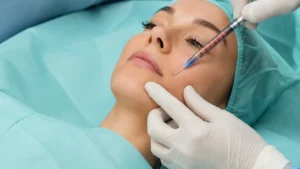
The medical term for this is autologous fat transfer. Autologous just means it comes from your own body, not a donor or a lab. First we remove fat using a gentle liposuction technique. Then we clean and prepare it carefully. Finally we inject it into your face using a fine needle or cannula, a thin blunt tube. Because it’s your own tissue, there’s no risk of an allergic reaction to the material itself.
Structural Fat Grafting vs Microfat Grafting
There are two common techniques, and they’re not the same thing. Structural fat grafting places larger pieces of fat deeper under the skin. It’s used to rebuild volume and shape, especially in the cheeks and temples. Microfat grafting uses smaller, finer fat particles placed closer to the surface. It’s better for smoothing fine lines rather than adding bulk. We’ll choose the right technique, or a mix of both, based on what your face actually needs. Neither technique is automatically better, it simply depends on whether your face needs structure, smoothing, or a combination of the two.
Fat Grafting in Cheeks and Other Common Treatment Areas
Fat grafting in cheeks is one of the most common requests we see. As we age, the fat pads in our cheeks shrink and drop, which can make the face look hollow or tired. Common areas we treat include:
- Cheeks, to rebuild fullness and shape
- Temples, which often hollow out first
- Under the eyes, to soften a sunken look
- Nasolabial lines, the creases running from the nose to the mouth
Fat grafting cheeks work tends to give a natural, long lasting improvement because it replaces the exact kind of tissue that was lost.
Fat Transfer for Facial Rejuvenation, What It Can Improve
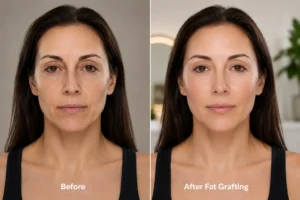
Fat transfer for facial rejuvenation isn’t just about adding size. It’s about restoring a softer, younger shape to the face. Fat transfer for face wrinkles works because adding volume underneath a line often smooths it out from below, rather than filling the line itself. This tends to look more natural than treating the wrinkle on its own.
Fat Transfer Face Lift, Volume Restoration Not a Surgical Lift
A lot of people search for fat transfer face lift, so let’s be clear about what this treatment actually does. It restores volume. It does not lift or tighten loose skin the way a surgical facelift does. If your main concern is sagging skin rather than lost volume, fat grafting alone won’t solve that. We’ll tell you honestly if a different approach would suit you better.
Fat Grafting vs Fillers, Which Suits You
Fat grafting vs fillers is a genuine decision many patients face, since we offer both here at Bilba Clinic. Fillers are quicker, need no recovery time, and can often be adjusted in a single visit. Fat grafting takes more planning and a short recovery period, but the results tend to last far longer since it becomes part of your own tissue. Some patients even combine both, using fat grafting for deeper structural volume and a small amount of filler afterward for fine tuning, which we can talk through at your consultation.
Can Fat Grafting to Face Be Dissolved
One question we get a lot is can fat grafting to face be dissolved, the way filler can. The honest answer is no. Hyaluronic acid filler can be broken down with a simple injection if you change your mind. Fat that survives the graft becomes living tissue in your face, so it isn’t reversible in the same way. This is worth thinking about carefully before treatment, since it isn’t something we can easily undo.
Is Facial Fat Grafting Painful
Is facial fat grafting painful? is one of the first questions most patients ask. The procedure itself is done under local anaesthetic, so you shouldn’t feel sharp pain during treatment. Is fat grafting in face painful during recovery, most patients describe it as manageable discomfort rather than sharp pain. Mild soreness, tightness, and swelling are normal for a few days, similar to what you’d feel after a small bruise.
Fat Grafting Face Recovery Time, What to Expect
Fat grafting face recovery time is shorter than most people expect. Fat grafting face recovery generally follows this pattern:
- Days 1 to 3, swelling peaks
- 1 to 2 weeks, most visible swelling and bruising fades
- 3 to 6 months, final result settles as your body decides how much grafted fat it will keep
Fat grafting in face swelling how long is a common question, and this timeline is a fairly reliable guide, though it can vary a little from patient to patient.
Fat Grafting Face, How Long Does It Last
Fat grafting face how long does it last is hard to answer with one exact number, and we’d rather be honest about that than promise a figure the research doesn’t support. How long does fat grafting in face last also depends on lifestyle factors, smoking in particular can reduce how much of the graft survives, since it affects blood flow to the new fat. Some of the fat you have grafted is naturally reabsorbed by your body in the months after treatment. What survives, often somewhere between half and two thirds in published studies, tends to stay for years rather than months. Is fat grafting permanent. For the portion that survives, yes, it becomes a lasting part of your facial tissue, though it won’t stay exactly the same forever as your face continues to age.
Does Facial Fat Grafting Work, Is It Worth It
Does facial fat grafting work. For most patients with genuine volume loss, yes, it gives a real, visible improvement that fillers alone sometimes can’t match. Is facial fat grafting worth it really depends on what you’re comparing it to. If you want a quick, reversible option, fillers might suit you better. If you want a longer term solution using your own tissue, and you don’t mind a short recovery, fat grafting is often the stronger choice.
Fat Transfer Face Cost UK, Pricing at Bilba Clinic
Fat transfer face cost UK varies a fair amount depending on the clinic, the area treated, and how much fat is needed. Here at Bilba Clinic, Fat Grafting starts from £3,500 for the face or hands, covering a small volume treatment. Fat transfer to face cost also depends on whether you need one session or two, which we’ll map out clearly during your consultation. Facial fat grafting London prices in general tend to sit toward the higher end nationally, reflecting the cost of running a clinic in central London. For the most current figures, our pricing page has the full breakdown.
Book Your Fat Grafting Consultation with Us
If you’ve been thinking about restoring volume to your face, the best next step is a proper consultation rather than guessing from photos online. As a private fat grafting London patients trust, and a facial fat transfer clinic London based right here in Fitzrovia, our fat grafting surgeon London team will assess your face properly before recommending anything. Whether you’re comparing fat transfer face cost London wide or looking for the best facial fat grafting London has to offer, you can book a consultation with us online, or get in touch first if you’d rather ask a few questions. You can also browse our wider medical services if there’s anything else you’d like to discuss during the same visit.
Your Fat Grafting in Face Questions Answered
How much fat survives after fat grafting?
It varies by patient and technique, but published studies show a fat graft survival rate usually between 45% and 70% over the long term. We’ll never promise an exact number since every face heals differently.
What is the difference between fat transfer and fillers?
Fat transfer uses your own fat, taken through a liposuction fat transfer face technique, while fillers use a man made gel. Fat transfer tends to last longer but takes more planning, fillers are quicker and reversible.
Can fat grafting go wrong?
Like any procedure, there are risks. According to NHS guidance on surgical fat transfer, the most common issue is small firm lumps forming where some of the fat didn’t survive, known as fat necrosis. This happens in a small minority of cases and is something we watch for at your follow up.
How many sessions of fat grafting are needed?
Many patients see good results from a single session. Some choose a second session later for extra volume, since smaller amounts placed across two visits can sometimes survive better than one large session.
Where can I see fat grafting in face before and after results?
We’re happy to share real fat grafting in face before and after photos during your consultation, so you know what a typical result looks like for your own face.
Is own fat filler safer than synthetic filler?
Since own fat filler comes from your own body, there’s no risk of an allergic reaction to the material itself, though it does involve a small liposuction step that synthetic fillers don’t need.
Am I a good candidate for fat grafting?
Most healthy adults with some volume loss in the face are suitable. We’ll check your general health, ask about smoking, and look at how much donor fat is available before confirming you’re a good fit at your consultation.