Short answer: Swollen ankles in older adults are common, and NHS guidance says the swelling often goes away on its own. See a GP if both ankles stay swollen after a few days. Get urgent help for swelling in one leg, severe or painful swelling, or any breathlessness or chest pain.
Swollen ankles in old people are easy to brush off as a normal part of getting older. Sometimes that is fair. Long spells of sitting or standing are a common reason, and the puffiness often fades. But swelling can also point to weak veins, a heart, kidney or liver problem, a blood clot or a side effect of a medicine. A proper look settles which one it is. This guide covers the likely causes, the warning signs that should not wait, and when to speak to a doctor. At Bilba Clinic, we would always rather see you early than late.
Here is a quick way to see where you might sit:
- Often ordinary: puffiness in both ankles after long periods of sitting or standing, which eases when you rest with your legs raised.
- See a GP soon: both ankles stay swollen after a few days of home care, the swelling keeps getting worse, or you already have a heart, kidney or leg vein condition.
- Needs urgent help: swelling in one leg, sudden or severe swelling, swelling with pain, redness or heat, or any breathlessness or chest pain.
Why Swollen Ankles in Old People Need a Closer Look
Swelling in the ankles, feet and legs is usually a build-up of fluid in the tissues, which doctors call oedema. Guidance from the NHS says it often goes away by itself, which is reassuring. Age changes the picture, though. People aged 65 and over are more at risk of heart failure. DVT, a blood clot in a deep vein, is more likely after 60. Varicose veins also become more common as we get older, and some medicines can cause fluid to collect.
That is why we never judge swollen ankles by how they look alone. When you see our clinical team, we ask when the swelling began, whether it affects one leg or both, what you take each day and whether you have breathlessness or tiredness. We also check the skin, because dents, shiny or stretched skin, redness or heat change what we think of first. Those answers narrow down the cause far faster than the swelling does.
What Do Swollen Ankles Mean for Your Heart, Veins and Kidneys?
Swollen ankles mean fluid is collecting in the tissues, and that is a sign, not a diagnosis. The cause can be harmless, such as sitting too long. It can also point to a problem with the veins, heart, kidneys, liver or thyroid, to a blood clot or an infection, or to a medicine you take. The pattern of swelling usually shows which direction to look in.
The NHS separates two main patterns, and the table shows how they differ.
| Both ankles swollen | One ankle or leg swollen | |
| Usual advice | See a GP if it has not improved after a few days at home, is getting worse, or you have a heart, kidney or leg vein condition. | Ask for an urgent GP appointment or call 111 if there is no clear cause. |
| Extra signs that raise concern | Breathlessness, sudden weight gain, swelling in the face or tummy. | Pain, red or hot skin, a very high temperature, swollen veins. |
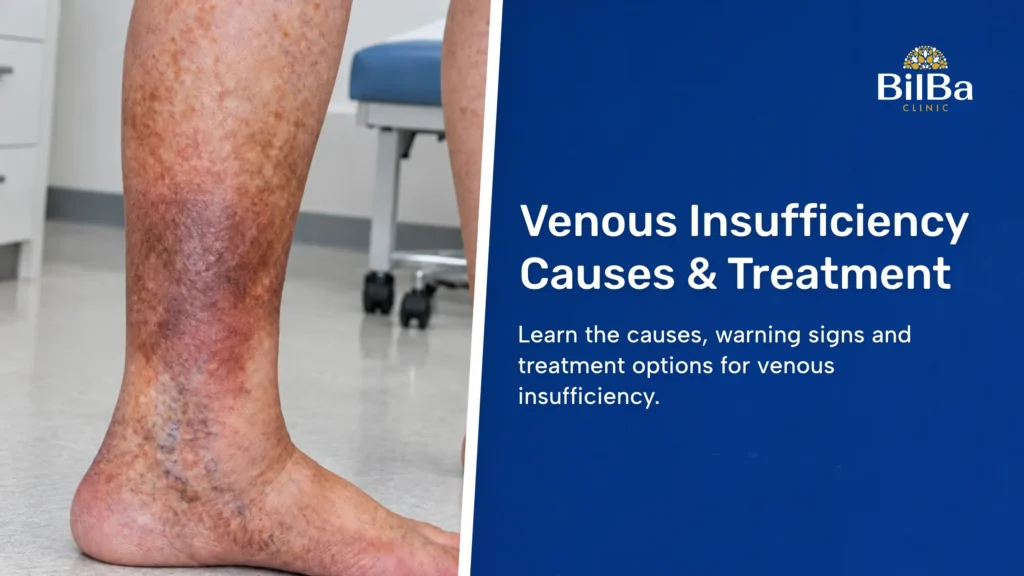
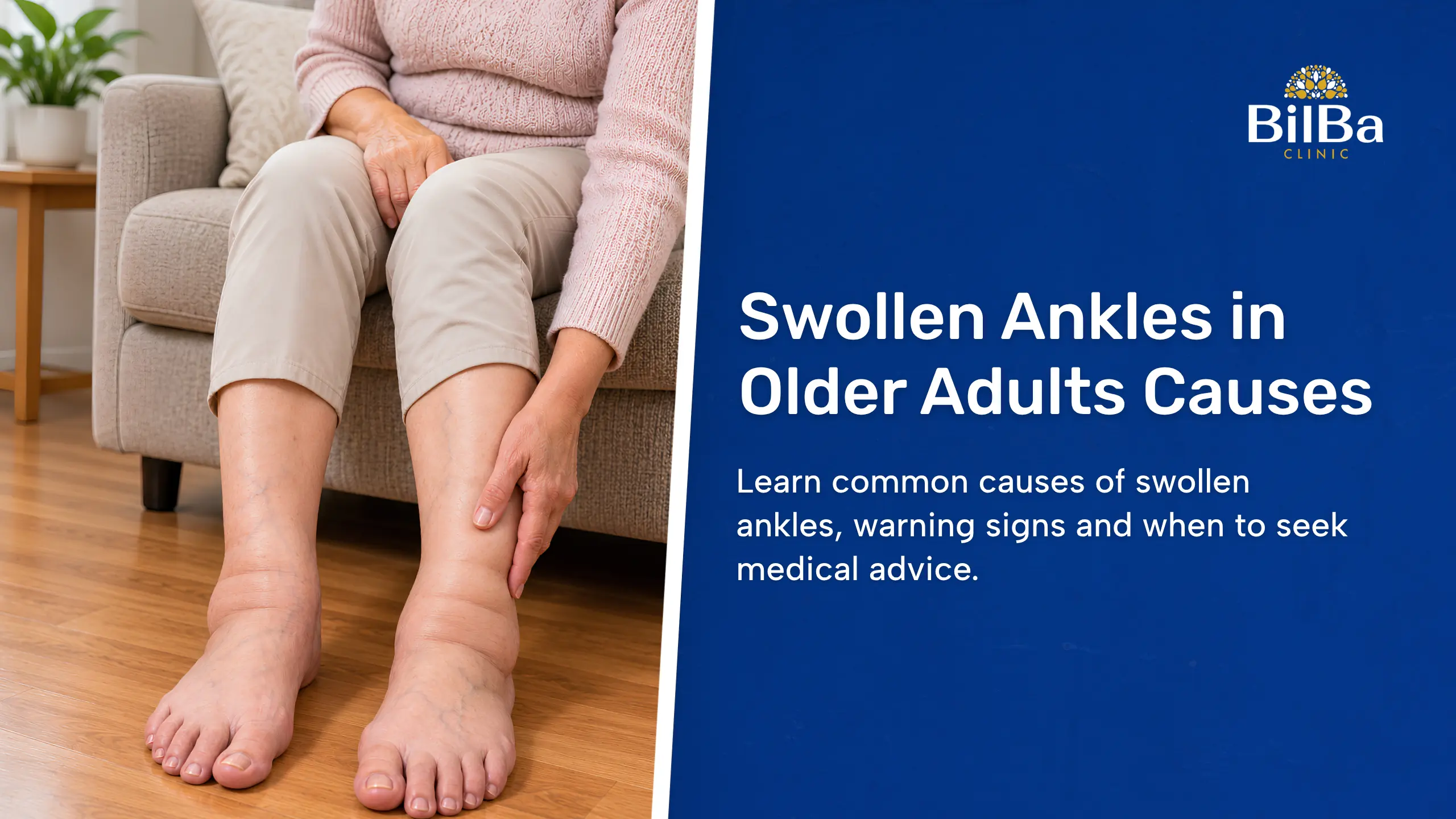
Breathlessness, chest pain or coughing up blood with either pattern means calling 999. The oedema page also describes how swollen skin can look and feel, with puffiness, a shiny or stretched surface, stiffness, colour changes and dents when you press it.
Swollen Ankles Cause Guide, From Everyday Habits to Serious Illness
Causes sit on a scale. At one end are habits you can change. At the other are conditions that need treatment. The sections below start with everyday triggers and move towards the ones that need a doctor.
What Will Cause Swollen Ankles to Build Up Day to Day?
The everyday triggers the NHS lists are standing or sitting in the same position for too long, eating a lot of salty food, being overweight and taking certain medicines. If walking has become harder, you may spend more of each day in one position without noticing. An injury such as a sprain, an insect bite or sting, and an infection are other possible causes, so a recent knock or bite is worth mentioning to your doctor.
For ordinary swelling, the NHS suggests raising your legs on a chair or pillows, gentle walking, and wide, comfortable shoes with a low heel. Tight socks and shoes are best avoided. These steps can ease mild swelling, but they are a first move, not a full answer. If it has not improved after a few days, book a GP appointment.
Could Swollen Ankles Point to Vein Problems?
Swollen ankles can point to vein problems, and veins are a common suspect. The NHS lists swollen ankles or legs as a symptom of varicose veins and says varicose veins are more likely as you get older. The swelling tends to be worse after standing for a long time and better when you rest with your legs up. We explain more in our guide to early varicose vein signs.
If vein trouble is possible, a scan is the next step. NHS specialists use a duplex ultrasound. At Bilba Clinic, our vascular specialist can arrange an ultrasound vascular doppler to look at blood flow in the legs.
Could Swollen Ankles Point to the Heart, Kidneys or Liver?
Swollen ankles can point to the heart, kidneys or liver. Heart failure means the heart cannot pump blood as well as it should. The NHS lists swelling in the feet, ankles, legs or tummy as a symptom, alongside breathlessness, tiredness and sudden weight gain. It does not mean the heart has stopped. Kidney disease often causes no symptoms early on, and swollen ankles tend to appear at later stages, so blood and urine tests are how it is found. Liver and thyroid problems are also on the NHS list of possible causes of swelling in the ankles, feet and legs.
None of these can be worked out from a mirror. If swelling comes with breathlessness, sudden weight gain or unusual tiredness, see a GP promptly. We can arrange the first tests and refer you to a heart, kidney or liver specialist if needed.
Can Some Medicines Make Ankles Swell?
Some medicines can make ankles swell. The NHS names some blood pressure medicines, hormone therapy, antidepressants and steroids as possible causes of oedema. If you take any of these and your ankles have swollen, tell your GP or pharmacist. Please do not stop a prescribed medicine on your own, because the right change depends on why you take it. A review is usually the safer route.

Why Swollen Ankles Seem Worse in Heat and After Travel
Ankles often look puffier in warm weather or after a long trip, and many people notice the link. In older adults, the pattern matters more than the trigger. Swelling that comes with the heat and then settles within a few days is less worrying than swelling that stays, spreads or arrives with breathlessness.
Swollen Ankles From Heat in Older Adults
Heat deserves extra care in older adults, because the NHS says people aged 65 and over are more at risk during hot weather. Dehydration and overheating can also make existing heart or breathing problems worse. Its heatwave advice includes keeping out of the heat where you can, staying in the shade between 11am and 3pm, and having regular cold drinks.
Heat may play a part in some people’s swelling, but it is a poor reason to stop looking. If your ankles are swollen on several days in a row, it is safer not to assume the weather is the whole story. A GP check is sensible.
Swollen Ankles on a Hot Day That Do Not Settle
A related worry is swelling that appears on a hot day and simply stays. Official advice is to see a GP if swelling in both ankles has not improved after treating it at home for a few days. Keeping cool, resting with your legs raised and gentle walking are reasonable first steps, and loose socks and wide shoes help too. If the swelling is getting worse, do not wait. Book an appointment.
Swollen Ankles After Flight and When It Could Be a Clot
Long trips matter for a specific reason. The NHS lists trips of more than four hours by plane, car or train as a time when DVT becomes more likely, and being over 60 raises the chance too. Signs of a clot include throbbing pain and swelling in one leg, often in the calf or thigh, with red, blue or darker skin and swollen veins.
If you notice these after flying, ask for an urgent GP appointment or call 111. If you also feel short of breath or have chest pain, call 999 and do not drive yourself to A&E. A doctor who suspects a clot should refer you to hospital for an ultrasound scan within 24 hours.
Red Flags That Mean Swollen Ankles in Older Adults Need Prompt Help
Most swollen ankles are not an emergency, but a few patterns should never wait. At our clinic we take the signs below most seriously, and we would rather you ask early than sit on a worry.
Swollen Ankles That Hurt, Especially in One Leg
Swollen ankles that hurt need more attention than painless puffiness, especially when only one leg is affected. NHS advice is to seek urgent help for swelling in one ankle or leg with no clear cause. The same goes for swelling that is severe, painful or sudden, and for skin that is red or hot to the touch. A very high temperature, or feeling hot, cold and shivery, is another reason for urgent advice.
If you have diabetes, the NHS asks for urgent advice for any swollen feet, ankles or legs. Diabetes can affect the feet in other ways too, which we cover in our guide to diabetic foot pain.
Swollen Ankles but No Pain Can Still Matter
Painless swollen ankles are not automatically harmless. Heart failure, for example, can show up as swelling in the feet and ankles with breathlessness, and kidney disease often causes no symptoms until a later stage. If both ankles stay swollen after a few days of home care, see a GP even if nothing hurts.
Mention any breathlessness, especially when lying down, because the NHS lists that as a reason for urgent advice with heart failure. Note when the swelling started and whether both ankles are affected, since those details guide a doctor’s first questions.
When to Call 999, Use 111 or Book a GP
The NHS advice on oedema, last reviewed in February 2026, sets out three levels. We have put them in our own words here.
- Call 999: you are short of breath or struggling to breathe, your chest feels tight, heavy or painful, you are coughing up blood, your heartbeat feels more noticeable, or you feel faint, confused, sick or clammy. These can be signs of a clot in the lungs, and you should not drive yourself to A&E.
- Ask for an urgent GP appointment or call 111: swelling in one ankle or leg with no clear cause, swelling that is severe, painful or very sudden, swelling in the face or tummy, red or hot skin, a very high temperature, or swollen feet, ankles or legs if you have diabetes.
- Book a GP appointment: both ankles or feet are swollen and have not improved after a few days at home, the swelling is getting worse, or you already have a heart, kidney or leg vein condition.
If you are unsure which level fits, treat it as the higher one, and NHS 111 can advise you. If none of the urgent signs apply but you are still unsure, you can book a review with us. We will tell you plainly whether it needs further tests or can be monitored.
How a Private Assessment Works at Bilba Clinic
Bilba Clinic is a CQC-registered private clinic in Fitzrovia, London, offering medical, aesthetic and wellbeing care from experienced clinicians. We are recognised by major insurers, including Bupa, Vitality and WPA, and we also welcome self-pay patients.
If swollen ankles are worrying you or an older relative, you do not have to wait for them to get worse. Our Private GP Services begin with an unhurried consultation covering your history, your medicines and an examination. We can arrange blood and urine tests, and you do not need a GP consultation first to have a blood test, as walk-in appointments are accepted. If veins look like the cause, our General & Vascular Surgery team can arrange an ultrasound vascular doppler. You can book vascular care directly without a GP referral. If a heart, kidney or liver cause looks possible, we refer you to the right specialist rather than guess.
Costs vary depending on what is needed, and we would rather give you an accurate figure after a proper look. As a starting guide, a GP initial consultation is £120, a follow-up is £100, a General & Vascular consultation starts from £250 and an ultrasound vascular doppler starts from £350. Our pricing page has the current figures. You can book an appointment online or reach us through the contact page.
- Address: 57 Great Titchfield Street, Fitzrovia, London W1W 7PN
- Phone: +44 (0) 7858 848 244
- Email: info@bilbaclinic.co.uk
Opening hours:
- Monday to Friday 10:00 to 18:00
- Saturday 12:00 to 17:00
- Sunday closed
Frequently Asked Questions About Swollen Ankles in Older Adults
Are Swollen Ankles Dangerous?
Swollen ankles are often harmless, but they can be dangerous when they point to a clot, heart failure or another serious condition. The NHS says oedema often goes away by itself. It lists swelling in one leg, severe or painful swelling, breathlessness and chest pain as reasons for urgent help. The pattern, not the swelling alone, decides how worried to be.
Are Swollen Ankles a Sign of Heart Failure?
Swollen ankles can be a sign of heart failure, but they are not proof. The NHS lists swelling in the feet, ankles, legs or tummy as a symptom, usually alongside breathlessness and tiredness. Many other causes exist, including veins and medicines. A GP can arrange tests and, if needed, refer you to a heart specialist.
Why Swollen Ankles and Feet Often Appear at the Same Time
Oedema is a build-up of fluid, and the NHS describes it affecting the ankles, feet and legs together, so it is common to notice both. The same causes apply, including long periods in one position, vein problems, medicines and heart, kidney or liver conditions. If both ankles and feet stay swollen after a few days, see a GP.
Are Swollen Ankles Normal in Hot Weather?
Some people notice puffier ankles in hot weather, but swelling is still worth watching rather than dismissing. The NHS says people aged 65 and over are more at risk during hot weather, and overheating can worsen heart or breathing problems. If the swelling stays for several days, affects one leg or comes with breathlessness, get it checked.
How Long Do Swollen Ankles Last After Flying?
There is no set time for swollen ankles to settle after flying. Advice is to see a GP if swelling in both ankles has not improved after a few days of home care. If one leg swells, hurts or looks red after a long trip, get urgent advice straight away, because a clot is possible. Breathlessness or chest pain means 999.
How Do Doctors Find the Cause of Swollen Ankles?
A doctor starts with your history, your medicines and an examination, then chooses tests to match what they find. These can include blood and urine tests, a doppler or duplex scan for the veins, and, when a heart cause is possible, an ECG and scans arranged through referral. At Bilba Clinic we can begin the first steps and refer you on.
Can Swollen Ankles Go Away on Their Own?
Swollen ankles often go away on their own, according to the NHS, and raising your legs, gentle walking and avoiding long spells in one position can help. See a GP if both ankles stay swollen after a few days, if the swelling gets worse, or if other symptoms appear.