What Is Biotin Injection, and What It’s Good For
A biotin injection delivers vitamin B7 directly into the muscle rather than through a tablet you swallow, which means it bypasses digestion entirely. What is biotin injection actually for? Mostly it’s used to correct a genuine deficiency, since biotin plays a small but essential role in helping the body turn food into fatty acids and energy. Some people also choose it hoping for a visible lift in hair, skin or nail condition, and while that’s a common reason people book one, it’s worth knowing upfront that the strongest evidence supports it when a real deficiency exists, rather than as a guaranteed cosmetic fix for everyone.
- Likely to notice a difference: people with a confirmed or suspected biotin deficiency, poor gut absorption, or a diet that’s low in biotin-rich foods
- Less likely to notice much change: people with normal biotin levels already, since extra biotin on top of a sufficient level rarely adds a visible benefit
- Worth checking first: whether hair, skin or nail changes have another cause entirely, since biotin is only one of several possible explanations
Biotin injection UK clinics have grown more common in recent years, partly driven by social media interest in vitamin treatments generally. That popularity doesn’t change the underlying clinical picture: this is still a treatment that works best when there’s a genuine need behind it, rather than a universal wellness lift that helps everyone equally regardless of their starting point.
Biotin Deficiency Symptoms Worth Knowing
True biotin deficiency is uncommon. According to the NHS, the bacteria naturally living in your bowel are able to make biotin themselves, and biotin is also found in a wide range of foods, so most people get enough without needing to think about it. It can still happen, though, especially in people with certain digestive conditions that affect nutrient absorption, those on long-term anticonvulsant medication, heavy or prolonged alcohol use, or in rare cases people who eat large amounts of raw egg white over a long period, since a protein in raw egg white can bind to biotin and stop it being absorbed properly.
Biotin deficiency symptoms typically include:
- Thinning hair or noticeable hair loss
- A scaly red rash around the eyes, nose and mouth
- Brittle or splitting nails
- Fatigue or mild low mood in more pronounced cases
- Tingling in the hands and feet, or unexplained muscle pain
These symptoms overlap with plenty of other common causes, which is exactly why a proper check matters rather than assuming biotin is behind every hair or skin change you notice.
Certain groups are more likely to run low, including pregnant women, who sometimes see a mild drop in biotin levels, smokers, who can break down biotin faster than non-smokers, and people recovering from bariatric surgery or living with conditions like Crohn’s disease or coeliac disease, who may absorb less biotin from food even when eating a varied diet. If any of these apply to you alongside the symptoms above, it’s a stronger reason to get your levels checked rather than assuming everything you’re noticing is unrelated.
How to Check Biotin Deficiency
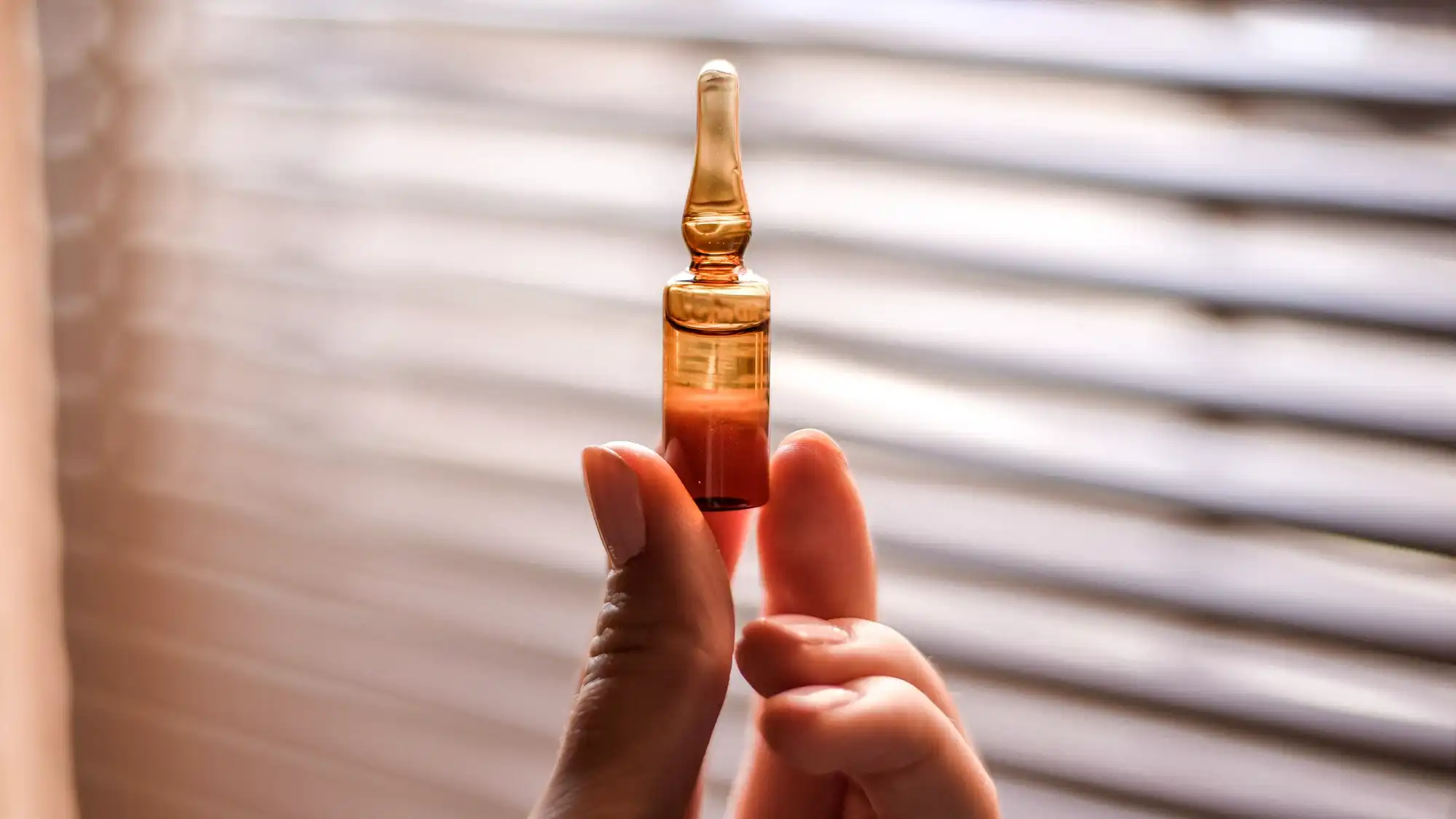
The clearest way to check biotin deficiency is a blood test that measures your biotin level directly, usually arranged after a doctor has reviewed your symptoms and general health history. This matters because self-diagnosing from symptoms alone is unreliable, given how many other conditions (thyroid problems, iron deficiency, and stress among them) can cause similar hair, skin or nail changes. A blood test gives a definite answer rather than leaving you guessing, and it also means any biotin injections you go on to have are actually addressing a confirmed need rather than a hopeful guess.
What Is Biotin Injection Good For
Beyond correcting a confirmed deficiency, biotin injection benefits are most reliably seen in the areas biotin is biologically involved in: supporting the structure of hair, skin and nails at a cellular level. The honest picture is that if your biotin levels are already normal, adding more through injection is unlikely to produce a dramatic visible change, since your body simply doesn’t need the extra amount and won’t use it any differently. Where people do see a benefit, it’s usually because an underlying deficiency or borderline low level was quietly driving the hair, skin or nail issue in the first place.
Biotin Injection for Hair
Biotin injection for hair is one of the most common reasons people book this treatment, since biotin supports keratin production, the structural protein that makes up hair strands. In someone truly deficient, correcting that shortfall can help reduce hair thinning and support healthier-looking growth over time. If your hair loss has a different underlying cause, such as a thyroid condition, iron deficiency, hormonal changes or a genetic pattern, biotin injections alone are unlikely to resolve it, which is why a proper assessment before starting makes more sense than trying injections as a first guess.
It’s also worth knowing that biotin supplementation, at very high doses, has been linked to interference with certain lab tests used to diagnose thyroid conditions, which can occasionally produce a confusing result if your hair loss investigation involves thyroid bloodwork around the same time. Mentioning any biotin use to whoever orders your tests avoids this getting muddled, and a clinician who’s aware of it can time your testing accordingly.
Biotin Injection for Skin
Biotin injection for skin works on a similar principle. Biotin contributes to fatty acid production, which plays a role in maintaining the skin’s barrier function, so a real deficiency can show up as dry, scaly or irritated skin, most often around the eyes, nose and mouth. Correcting a real deficiency can help resolve this pattern. For general dullness or ageing-related skin concerns without an underlying deficiency, other treatments tend to have stronger evidence behind them, and our team can talk through what fits your specific skin concern during a consultation.
Nail health follows the same logic: biotin deficiency is a recognised, if uncommon, cause of brittle or splitting nails, and correcting a real shortfall can help nails grow noticeably stronger over the following months. Nails are also one of the more useful early indicators of a biotin problem, since they grow steadily and visibly, so a clinician can sometimes spot a pattern in how your nails have changed over recent months that supports (or rules out) biotin as the likely cause before any blood test is even arranged.
It’s also worth being clear about what biotin does not typically fix. If your hair, skin or nail concerns come with other symptoms, such as unexplained weight change, persistent fatigue that doesn’t improve with rest, or noticeable changes in mood, those are worth raising as their own concern rather than assuming biotin will resolve everything at once. A single vitamin rarely explains a complex picture, and a good clinician will say so honestly rather than selling a treatment that isn’t the right fit.
Do Biotin Injections Work for Hair Loss?
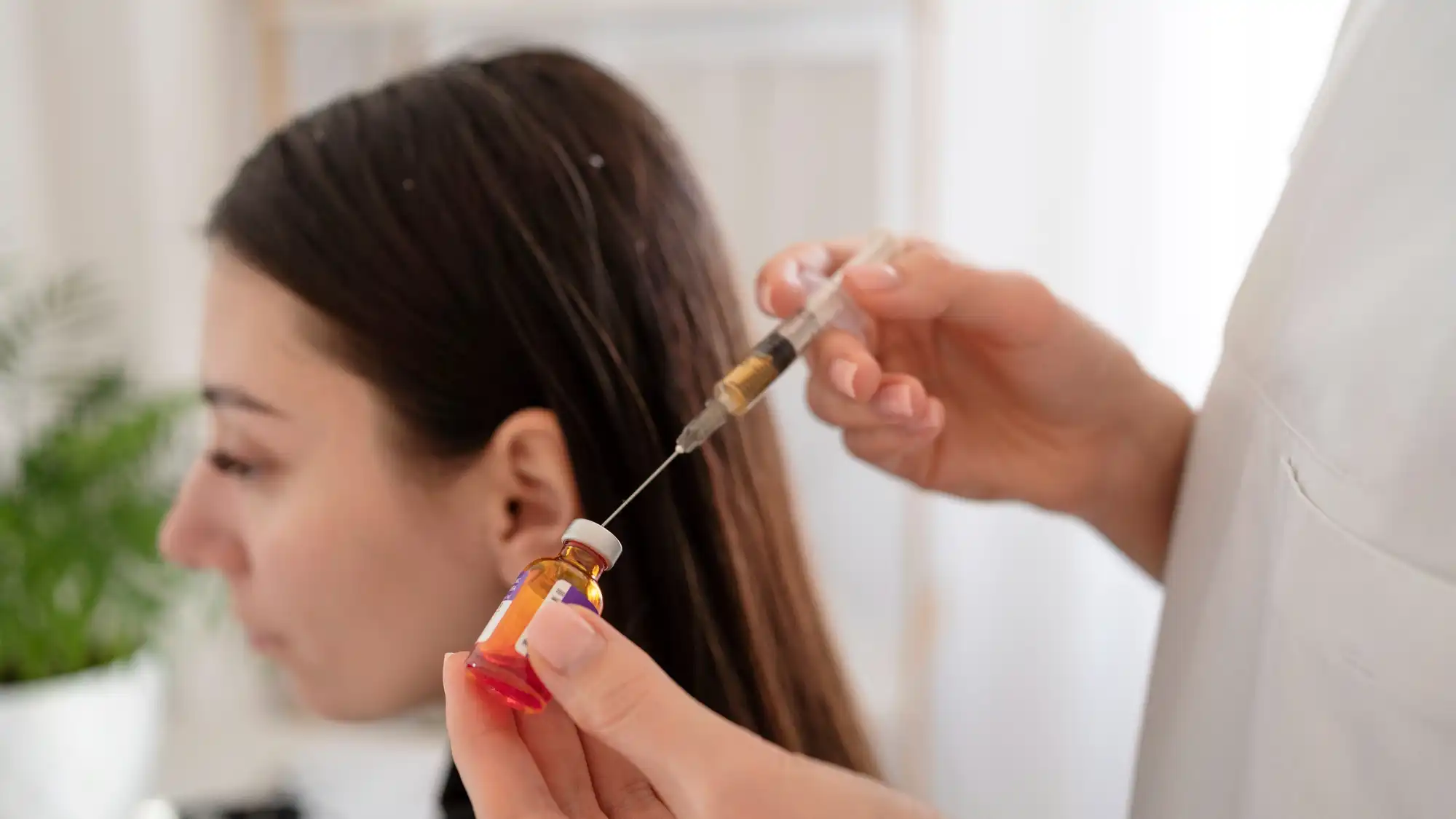
Do biotin injections work for hair loss? The honest answer is that it depends entirely on the cause. If your hair loss is driven by a genuine biotin deficiency, correcting it with injections can properly help, since you’re addressing the actual underlying problem rather than a symptom. If your hair loss stems from something else (androgenetic alopecia, a thyroid issue, iron deficiency, postpartum shedding or high stress), biotin injections are unlikely to reverse it on their own, however well the treatment itself is delivered. This is why we’d always recommend identifying the cause first rather than treating biotin injections as a universal hair loss fix, since using the wrong treatment for the wrong cause just delays finding what would actually help.
Biotin Injection Frequency and Results
Biotin Injection Frequency
Biotin injection frequency depends on why you’re having it and how your levels respond. There’s no single fixed schedule that suits everyone, so our clinician will assess your individual levels and health needs before recommending how often to come in, rather than defaulting to a generic timetable. Some people benefit from a short course to correct a confirmed deficiency, while others continue periodically as part of a broader wellness routine, always guided by an appropriate clinical review rather than a fixed rule.
Biotin Injection Results
Biotin injection results aren’t instant. Hair, skin and nails all grow slowly, so any real improvement from correcting a deficiency tends to become visible gradually over weeks to months rather than days. Nails often show change fastest, sometimes within a few weeks, since they grow relatively quickly and visibly. Hair takes considerably longer, generally several months, because hair growth cycles are slow by nature and a strand you see today started growing weeks or months ago. Patience matters here: expecting an overnight transformation sets you up for disappointment even when the treatment is actually working as it should.
A practical way to track progress is to take a photo of the area you’re concerned about, whether that’s a section of scalp, a patch of skin or a set of nails, at the start of treatment and again every few weeks. Memory is unreliable for gradual change, and a side-by-side comparison often shows a difference you wouldn’t otherwise notice day to day. If you’ve followed a sensible course of treatment for several months with no change at all, that’s worth going back to discuss, since it may mean the original cause wasn’t biotin-related after all.
Are Biotin Injections Worth It?
Are biotin injections worth it? For someone with a confirmed or strongly suspected deficiency, generally yes, since you’re correcting a real, identifiable shortfall that’s likely contributing to your symptoms. For someone with normal biotin levels hoping for a cosmetic lift regardless, the evidence is considerably weaker, and you may not notice much difference at all. The most useful step before deciding is a proper conversation with a clinician about your symptoms, diet and general health, so you know which situation you’re actually in before committing to a course of treatment.
Side effects from biotin injections are uncommon and usually mild, such as minor discomfort or redness at the injection site. One practical thing worth knowing: taking biotin, including through injections, can interfere with certain blood test results, especially some thyroid and hormone tests, so it’s worth mentioning any biotin use to a doctor before you have blood taken for another reason.
Weighing this up practically: the treatment itself is quick, low-risk and reasonably priced, which makes it a low-stakes option to try if a deficiency has been confirmed. The real cost isn’t financial so much as the risk of wasted time, if the actual cause of your hair, skin or nail concern is something biotin can’t touch, you could spend months on injections before realising you needed a different approach entirely. That’s the strongest argument for getting your levels checked first rather than starting with injections and hoping.
What to Expect During a Biotin Injection Appointment
A biotin injection appointment is short and simple. Your clinician will usually start by discussing your symptoms, diet, and any relevant health history, especially if you haven’t already had a blood test confirming a deficiency. The injection itself is given into a muscle, most commonly in the upper arm or thigh, and takes only a few moments. Most people describe it as a brief pinch rather than anything painful, and there’s no need for numbing cream or preparation beforehand.
Afterwards, you can typically go straight back to your day. Mild redness or tenderness at the injection site is the most common thing people notice, and this usually settles within a day or two. There’s no downtime, no restriction on exercise or activity, and no special aftercare beyond keeping the area clean, which is part of why this treatment fits easily around a working day.
If this is your first time having a biotin injection, it’s worth mentioning any other supplements or medications you’re currently taking, along with any known allergies, so your clinician can check nothing interacts or complicates the picture. This is also a good moment to ask about how the results might look for your specific situation, since expectations differ quite a bit depending on whether you’re correcting a confirmed deficiency or trying it more speculatively.
Biotin Injection Treatment at Bilba Clinic
Bilba Clinic is a CQC-registered private clinic in Fitzrovia, London, offering medical, aesthetic and wellbeing care from experienced clinicians. We’re recognised by major insurers including Bupa, Vitality and WPA, alongside patients who prefer to pay for their consultation directly.
Our vitamin injections service includes Vitamin B7 (biotin) alongside Vitamin B12 and Vitamin D, so if you’re not sure which one actually fits your symptoms, our clinician can talk this through with you rather than leaving you to guess. If you’re weighing up a biotin vitamin injection against B12, our guide on how quickly a B12 injection works covers that comparison in more detail. For anyone specifically focused on hair, our piece on IV drips for hair growth looks at an alternative delivery route worth knowing about too.
Biotin injection cost at Bilba Clinic starts from £49 per session, and our current pricing page has the full breakdown if you’re comparing this against other treatments. If you’re searching for a biotin injection UK clinic that will actually assess whether you need one rather than selling you a course regardless, that honest conversation is exactly what a consultation here is for.
Book a consultation to get started, or contact us if you’d rather talk it through first.
- Address: 57 Great Titchfield Street, Fitzrovia, London W1W 7PN
- Phone: +44 (0) 7858 848 244
- Email: info@bilbaclinic.co.uk
Opening hours:
- Monday to Friday: 10:00 to 18:00
- Saturday: 12:00 to 17:00
- Sunday: Closed
Frequently Asked Questions
Is a Biotin Vitamin Injection Safe?
Yes, for most people a biotin vitamin injection is considered safe when given by a trained clinician, with side effects that are uncommon and generally mild, such as minor soreness at the injection site. The main practical caution is telling your doctor about any biotin use before unrelated blood tests, since it can interfere with certain thyroid and hormone test results.
Can I Take Biotin Injections Alongside Other Vitamin Injections?
Often, yes, though this depends on your individual health picture and what else you’re taking. Combining biotin with B12 or Vitamin D injections is common practice, but it’s worth having a clinician review your full picture first rather than assuming any combination is automatically fine.
How Long Before I See Results From a Biotin Injection?
Nail changes can appear within a few weeks, while hair improvements typically take several months given how slowly hair grows. Skin changes tend to fall somewhere in between, depending on how pronounced the original deficiency was.
Do I Need a Blood Test Before Starting Biotin Injections?
Not always, but it’s strongly recommended if you want to know whether you’re actually deficient rather than treating on assumption. A blood test gives a clear, confirmed answer and helps set fair expectations for what the injections are likely to achieve for you specifically.
Are Biotin Injections Better Than Biotin Tablets?
Injections bypass digestion, which can mean more reliable absorption for some people, particularly those with gut conditions that affect nutrient uptake. For people with normal digestion and no absorption issues, oral biotin may work just as well, so this is worth discussing with a clinician rather than assuming the injection route is automatically superior.
Can Too Much Biotin Cause Problems?
There isn’t strong evidence on the effects of very high daily doses of biotin, but the general guidance is not to exceed what’s clinically recommended without advice from a doctor. The main practical issue at high doses is the effect on certain blood test results rather than a distinct set of symptoms, which is another reason to have biotin injections managed by a clinician rather than self-administered without guidance.