Short answer: Venous insufficiency treatment at Bilba Clinic starts with a vascular consultation from £250 and an ultrasound Doppler scan from £350. What comes next depends on the scan, from foam sclerotherapy from £499 to laser ablation from £2,500. You do not need a GP referral to book.
Venous insufficiency treatment begins with working out why blood is pooling in your legs. The valves inside your leg veins are meant to push blood back up towards your heart. When they weaken, blood slips backwards, pressure builds, and your legs start to feel it. At Bilba Clinic, we scan the veins, explain what we find in plain words, and then talk through your options and what they cost. A few patterns can tell you whether a check is worth booking:
- Legs that feel heavy or achy by the end of the day, and ease when you put them up
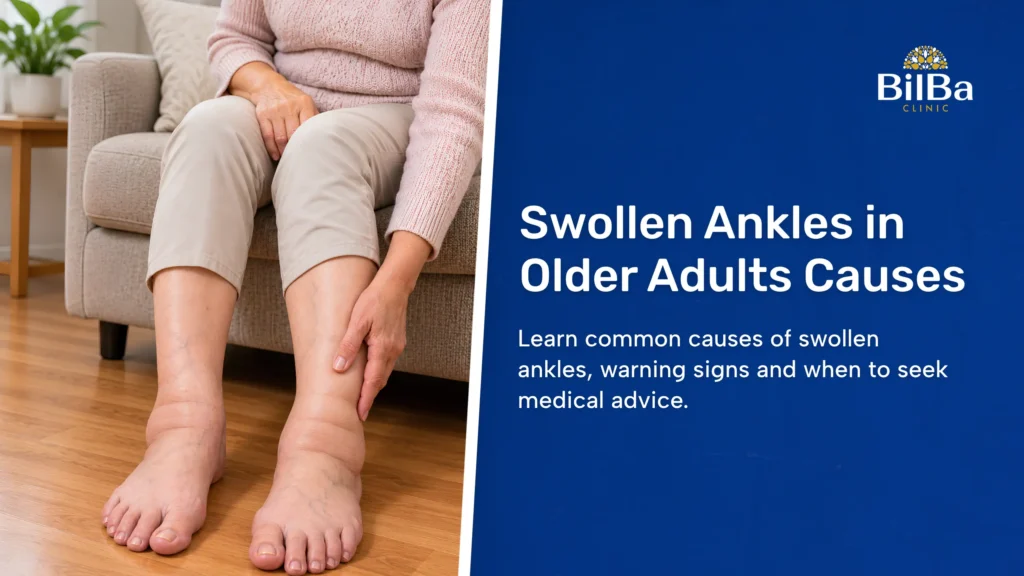
- Ankles that swell in the evening and look slimmer in the morning
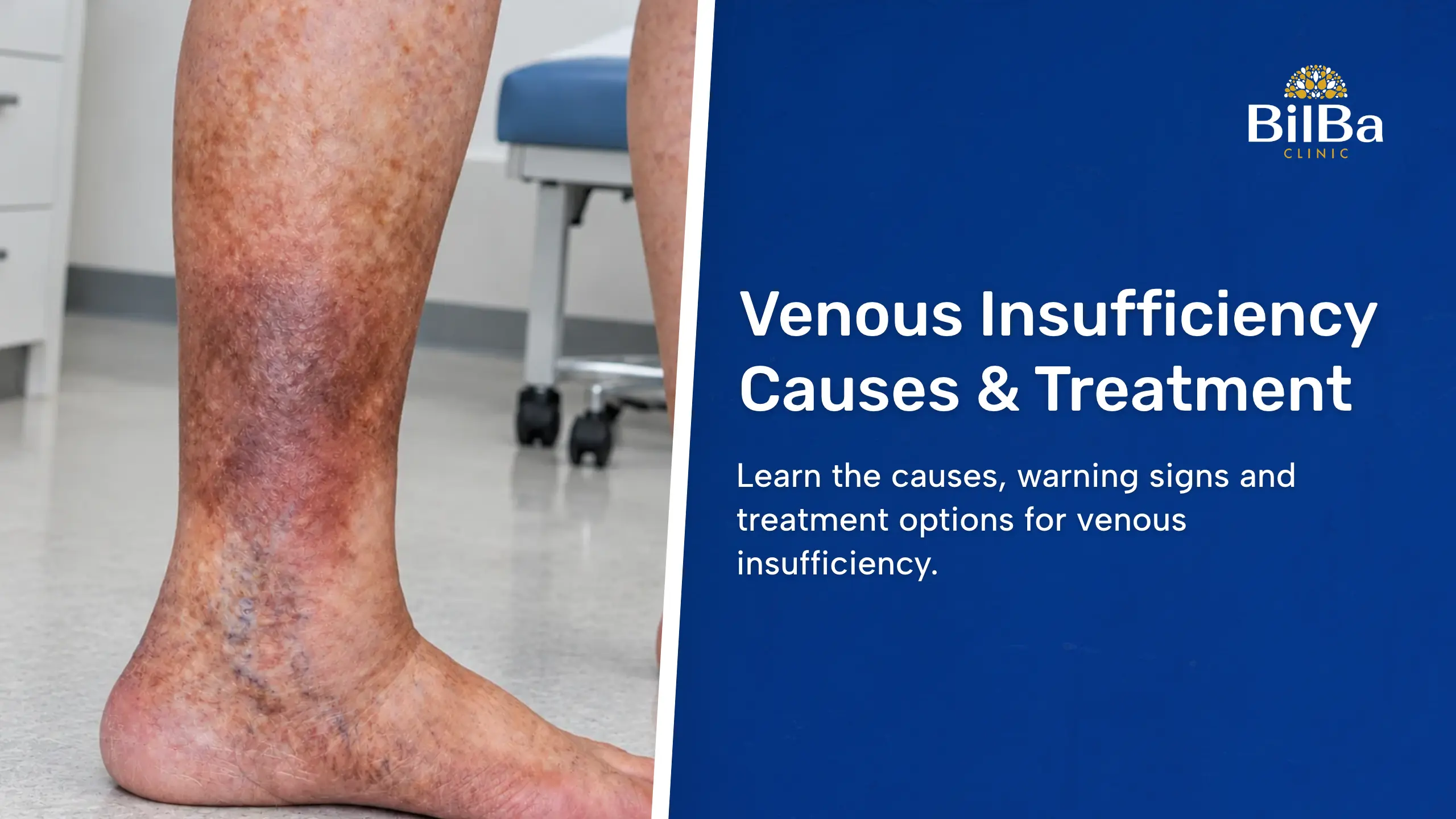
- Skin around the ankle that darkens, itches, or turns dry and scaly
What’s Chronic Venous Insufficiency and How Is It Different From Varicose Veins?
Venous insufficiency means the valves in your leg veins no longer close properly, so blood struggles to travel back up to the heart. Chronic means it is long lasting, and it usually develops slowly rather than overnight. People often search venous insufficiency what is it, and the short version is this: it is the underlying problem, while varicose veins are one visible sign of it.
NHS information says varicose veins may get worse without treatment, but usually very slowly over several years. The same slow pattern is common with poorly working valves, which is why early changes are easy to miss. So, what is venous insufficiency in everyday terms? It is a flow problem inside your legs, and a scan is the clearest way to see how big it is.
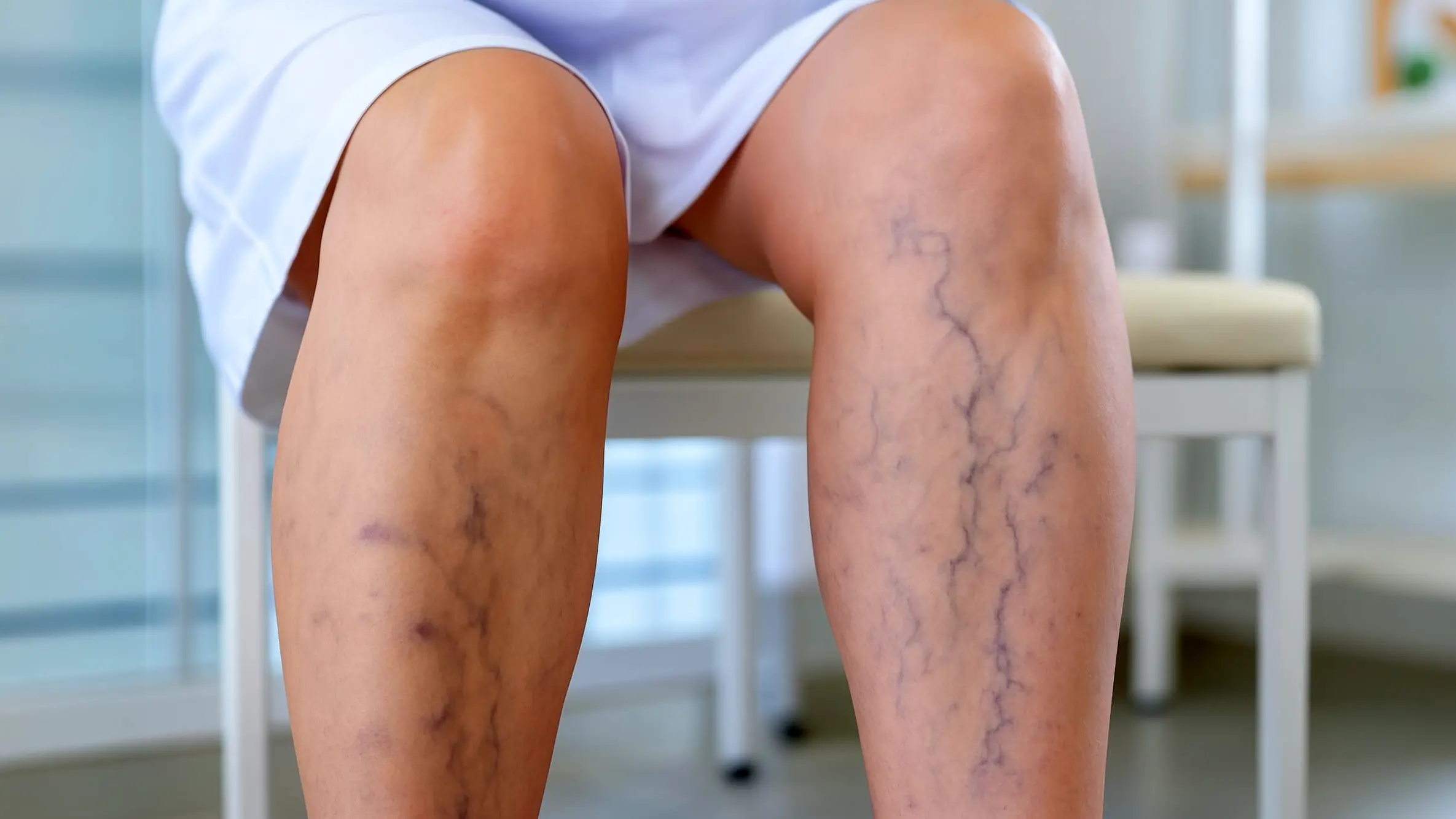
You can have varicose veins and few symptoms, and you can have symptoms from poorly working valves without any bulging veins on show. That is why we scan before we talk about treatment. If you would like to read about the visible side first, our guide to early varicose vein signs covers it, and you can also read more about Bilba Clinic before you book.
Chronic Venous Insufficiency Causes and Who Is More Likely to Get It
NHS information on varicose veins lists the usual risk factors: being female, getting older, being overweight, pregnancy, spending long periods standing or sitting, a family history, and a previous deep vein clot. The same pattern applies to many people with poorly working valves. A past clot can damage the valves directly, so we always ask about it.
One long Scottish study, the Edinburgh Vein Study, reassessed 880 adults after 13 years. Chronic venous insufficiency developed in about 9 in every 100 people overall. Among people with obesity the figure was about 24 in 100, compared with about 6 in 100 for people of normal weight. The study dates from 2013, so treat the numbers as a guide and not a forecast for you personally.
At your consultation we ask about the things on that list, plus any past surgery or injury to the leg, long spells without moving, and how your legs feel through the day. None of these means you will develop a problem. They help us read your scan in context and decide how closely to follow you up.
Which Venous Insufficiency Symptoms Are Worth Getting Checked?
The venous insufficiency symptoms people mention most are aching, heaviness, swelling, itching and skin changes that creep up from the ankle. NHS information notes that leg symptoms from vein problems tend to be worse after standing for a long time and ease when you rest with your legs up. Venous insufficiency signs you can see for yourself include swollen ankles, enlarged veins and darker or scaly skin. The usual venous insufficiency in legs symptoms arrive gradually, so many people put them down to age or a long day on their feet.
Heavy legs, tiredness and aching can also come from other problems, such as muscle strain, joint trouble or poor blood flow in the arteries, so symptoms alone do not give the diagnosis. That is why we look at the veins directly and do not guess from a description.
A check is worth booking if:
- Symptoms return most days and have lasted several weeks
- One leg is clearly worse than the other, without a sudden change
- The skin around your ankle is changing
- Things are slowly getting worse and not better
Those patterns are worth a scan, because the answer changes what you do next. The ankle is where most people notice it first, so that is where we start.
Why Venous Insufficiency in the Ankles Often Shows Up by Evening
Gravity pulls blood down your legs all day. When valves are weak, blood pools around the ankle and fluid leaks out into the surrounding tissue. That is why venous insufficiency in the ankles often looks worse by evening and a little better after a night with your legs raised. Putting your legs up for a while in the evening often eases the swelling, which is a useful clue for us when we take your history. Swollen ankles have many other causes too, including heart and kidney problems, so our swollen ankles guide explains when ankle swelling needs a wider check.
Venous Insufficiency Skin Changes That Should Not Wait
Over time, high pressure in the veins can change the skin of the lower leg. NHS information describes colour changes, dry or flaky skin, itching, skin that turns tight and hard (lipodermatosclerosis) and small white scars (atrophie blanche). If these are left alone, a leg ulcer can follow. A venous leg ulcer is a sore that takes more than two weeks to heal, and the NHS advises seeing a GP about any leg sore that has not healed in that time.
If your skin is itchy or dry, a moisturiser can help while you wait for an appointment, but it does not treat the underlying vein problem.
Venous leg ulcers affect around 1 in 500 people in the UK, and around 1 in 50 people over the age of 80. Our wound management service can look after an open sore while the underlying vein problem is assessed.
Is It Chronic Venous Insufficiency or Something Urgent?
Most chronic venous insufficiency builds slowly. Sudden changes are different. Get urgent medical help if swelling appears quickly in one leg, especially with warmth, redness or pain, because this can mean a blood clot. Pain in the calf with swelling and warmth is a reason not to wait, even if you already know you have vein problems.
If your symptoms are not urgent but are not settling, a private GP appointment is a sensible first step for a general check. You can also go straight to a vascular consultation, which is what most people searching for treatment want.
How Is Venous Insufficiency Treatment Decided After a Scan?
Good venous insufficiency treatment starts with a duplex ultrasound, the scan NHS information describes as the usual way to confirm vein problems and plan treatment. At Bilba Clinic, you can have your consultation and an ultrasound vascular Doppler scan at the same appointment, so you do not need to go elsewhere. The scan shows which veins are leaking, how far the problem reaches, and whether a vein suits a procedure.
The scan itself is non-invasive. A probe is moved over your legs and shows the blood flow on a screen, so we can see where blood is travelling the wrong way. Because stockings are only suitable when your arteries are working well, blood flow in the arteries should also be checked before compression is advised.
Our vascular team then explains the findings in plain words. We only recommend a procedure when your scan supports it, and we will tell you plainly if monitoring is the better choice. You do not need a GP referral to book. Most people leave with a clear picture: which veins are affected, whether treatment is advised now or can wait, and what each option would involve.
Chronic Venous Insufficiency Treatments From Compression to Ablation
The right option depends on your scan, your symptoms and your general health. NHS information sets out the usual order of choices for varicose veins caused by poorly working valves:
- Endothermal ablation, which uses laser or radiofrequency heat to seal the faulty vein, is usually the first choice
- Foam sclerotherapy, an ultrasound-guided injection, is usually offered if ablation is not suitable
- Surgery to remove the vein is kept for when simpler options will not work
- Compression stockings are mainly used when procedures are not suitable, or when no procedure is needed
Both procedures are done under local anaesthetic, and you usually go home the same day. At Bilba Clinic we offer laser ablation and foam sclerotherapy, but not radiofrequency ablation. Our EVLA safety guide and foam sclerotherapy guide go into each one in detail.
Whatever the procedure, daily habits still matter. NHS information suggests keeping to a healthy weight, putting your legs up when you can, exercising regularly, using a moisturiser for dry or itchy skin, avoiding long spells of standing or sitting, and stopping smoking. These steps do not close a faulty vein, but they can ease symptoms and support the treatment you have.
A large UK trial called CLASS, covering 798 people, compared laser, foam and surgery. Laser and surgery closed veins more successfully than foam at six months. Foam gave the quickest recovery but more side effects, such as lumpiness and skin staining. Compression still helps with swelling and aching, and your arteries should be checked first to make sure stockings are safe. For people with leg ulcers, a UK trial of 450 people found that treating the faulty vein early healed ulcers faster than compression alone with treatment delayed. Treatment can ease symptoms and close faulty veins, but it cannot promise that new problem veins will never appear.
What Does Venous Insufficiency Treatment Cost in London?
Costs vary depending on which veins are involved, how many sessions you need and whether you choose a procedure at all. We would rather give you an accurate figure after a proper look, so treat this table as a starting guide. Our pricing page has the current figures. If you are comparing quotes elsewhere, ask what each price includes, such as the scan, the consultation and any follow-up, so the figures can be compared fairly.
| Step | Starting guide |
| Vascular consultation | From £250 |
| Ultrasound vascular Doppler scan | From £350 |
| Foam sclerotherapy | From £499 |
| Endovenous laser ablation (EVLA) | From £2,500 |
Several things move the final cost. Treating one leg usually costs less than treating both, and larger veins call for a different procedure from small branch veins. Foam sclerotherapy often takes between one and three sessions, while laser ablation is usually done in one. A follow-up check may also be part of the plan. This is why we quote after the scan and not before it, and why the starting figures above are not a final price.
Many people need only the consultation and scan, followed by a clear plan. A vascular consultation is the place to start, because the scan result decides whether you need a procedure, which one, and how many sessions it may take.
How Do You Book Venous Insufficiency Treatment at Bilba Clinic?
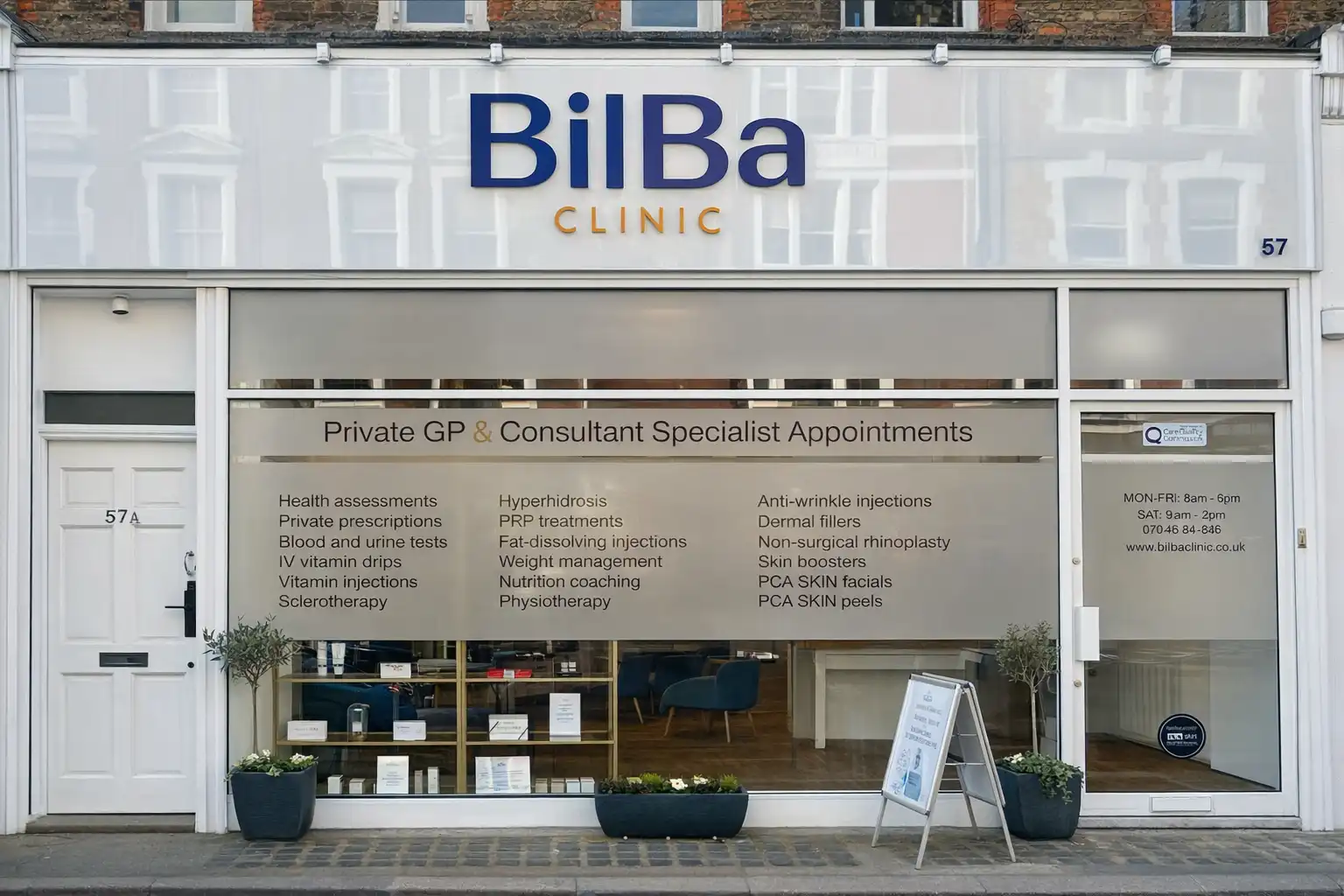
Bilba Clinic is a CQC-registered private clinic in Fitzrovia, London, offering medical, aesthetic and wellbeing care from experienced clinicians. We are recognised by insurers including Bupa, Vitality and WPA, and we welcome self-pay patients too. Please check your cover with your insurer before you book.
Leg symptoms are easy to put off, especially when they build slowly. A scan gives you a clear answer, and you can decide what to do with it in your own time. When you visit us, you can expect a calm assessment, plain explanations and an honest view of whether treatment is needed. If treatment is not needed, we will say so. If it is, we will go through your options and costs before you decide anything. You can book online or contact us with any questions first. We are open Monday to Saturday, so you can often find a time around work.
- Address: 57 Great Titchfield Street, Fitzrovia, London W1W 7PN
- Phone: +44 (0) 7858 848 244
- Email: info@bilbaclinic.co.uk
- Opening hours: Monday to Friday 10:00 to 18:00, Saturday 12:00 to 17:00, Sunday closed
What Do Patients Ask Before Starting Venous Insufficiency Treatment?
What Is Recovery Like After Venous Insufficiency Treatment?
Most people go home the same day and return to usual activities quickly. NHS information says you may need to wear compression stockings for about a week, and that some pain and bruising is common. Laser ablation and foam sclerotherapy are both done under local anaesthetic, so you are awake but should not feel pain during the procedure. Gentle walking is usually encouraged from the first day, while heavy lifting and intense exercise are best avoided for around two weeks after laser ablation.
Do I Need a GP Referral for Venous Insufficiency Treatment?
No. You can book a vascular consultation at Bilba Clinic directly, without a referral from your GP. If you would like a general health check first, you can see one of our private GPs, but you do not have to before a vascular assessment or scan. Many people choose this route because it saves waiting for an NHS referral. If your symptoms are sudden or urgent, though, use NHS 111 or urgent care first and not an online booking.
Will My Insurer Cover Venous Insufficiency Treatment?
It depends on your policy. Bilba Clinic is recognised by insurers including Bupa, Vitality and WPA, but cover for vein treatment varies between plans. Contact your insurer before booking to confirm what your policy includes, and our team can answer any questions about the clinic side. Some policies ask for a GP or specialist letter first, so a quick call can save a surprise later.
What Is Stage 4 Venous Insufficiency?
Stage 4 is not a standard term in NHS guidance, and different grading systems number the stages differently. In general, the later stages mean skin changes such as darker, hardened skin around the ankle, and then ulcers. If someone mentions stage 4, ask which grading system they are using and what it means for you. What matters most is what your own legs and scan show, such as skin changes, swelling and whether there is any ulcer. We would rather describe your situation in plain words than lean on a number.
Does Hot Weather Make Venous Insufficiency Worse?
Many people find their legs feel heavier in warm weather, but we have not found strong UK evidence either way. NHS information does suggest raising your legs, moving regularly and avoiding long periods of standing, which can help in any weather. New or one-sided swelling needs a check, whatever the temperature. Searches for venous insufficiency hot weather advice are common, but good UK evidence is thin. Keep moving, rest with your legs up when you can, and book a scan if the heaviness keeps returning, because a scan and not the season shows what is happening inside the veins.
Can Venous Insufficiency Come Back After Treatment?
A vein that has been closed successfully is not expected to reopen, but new problem veins can develop over time, especially if the risk factors stay the same. NHS information also warns that leg ulcers often return unless the underlying cause is dealt with. Regular follow-up helps us spot changes early. That is also why sensible habits, such as moving often and avoiding long spells of standing, still matter after a successful procedure.