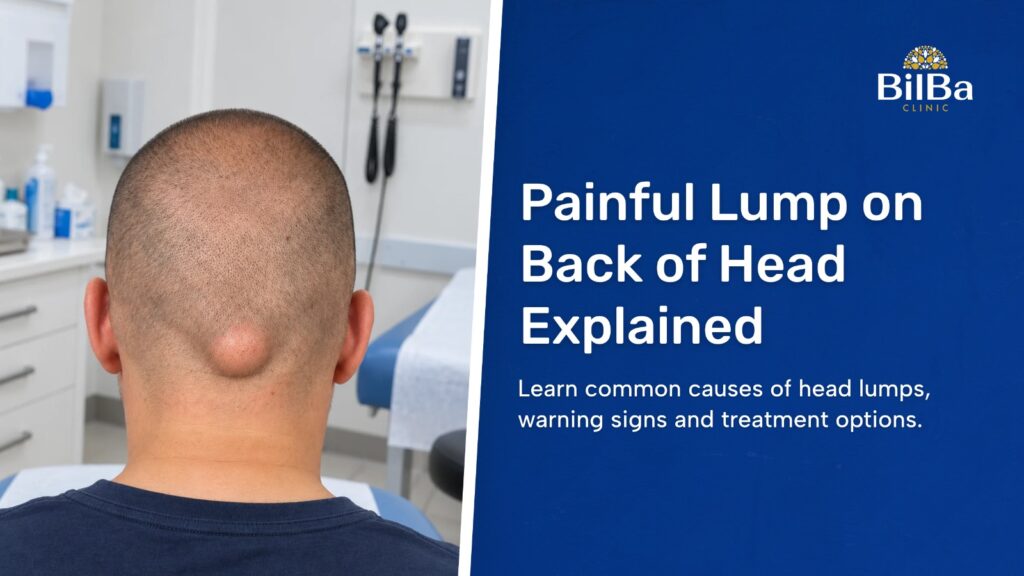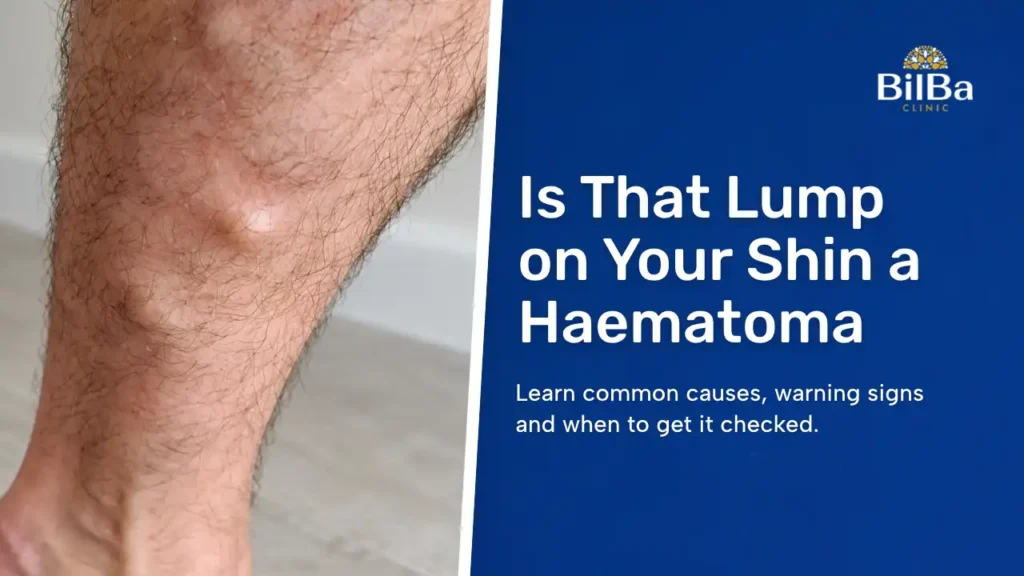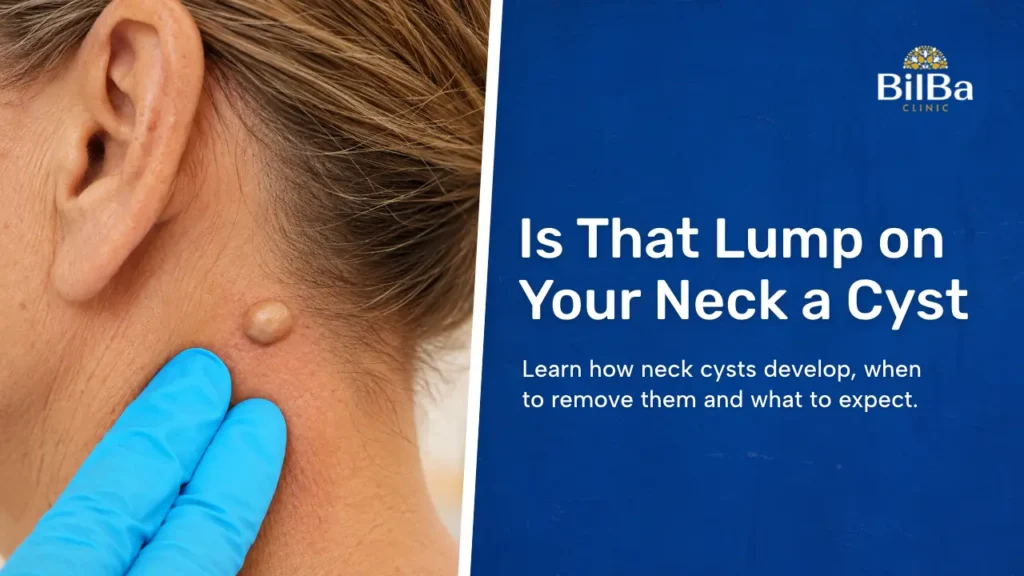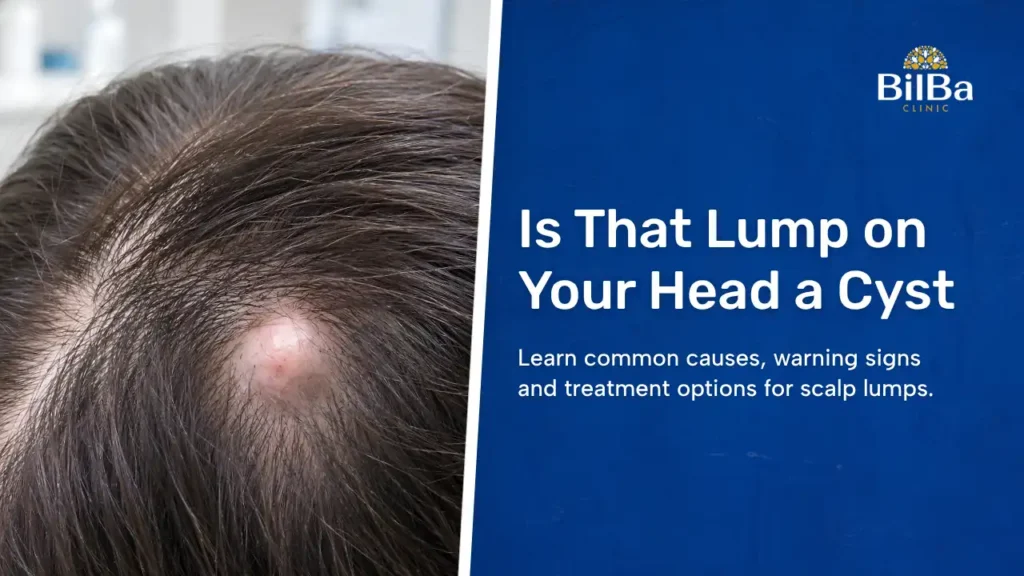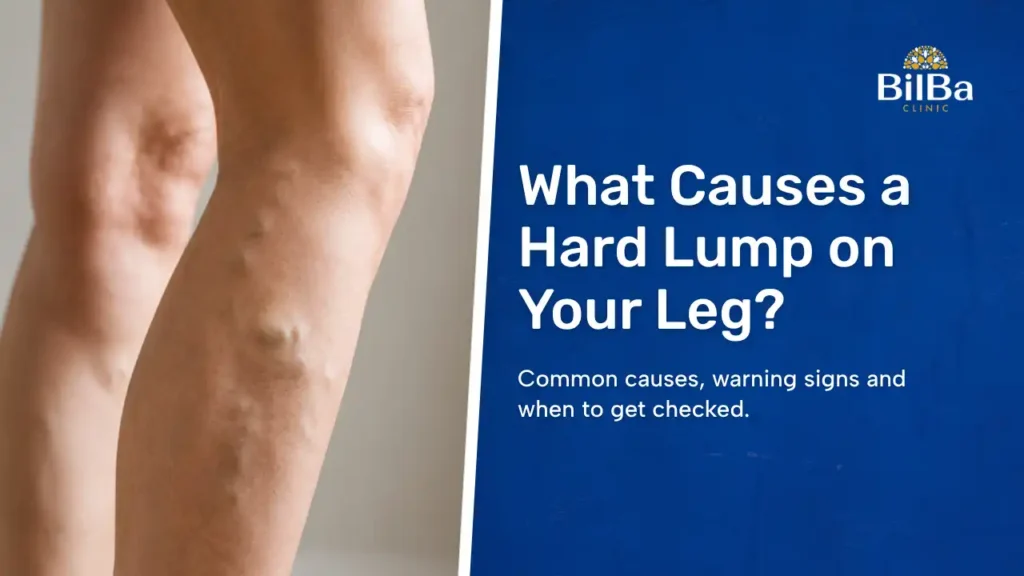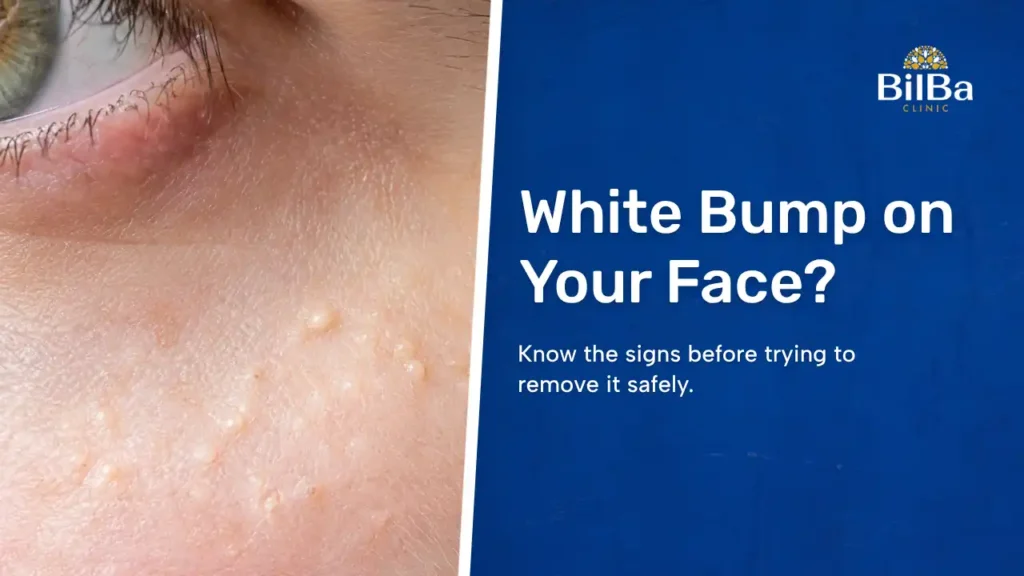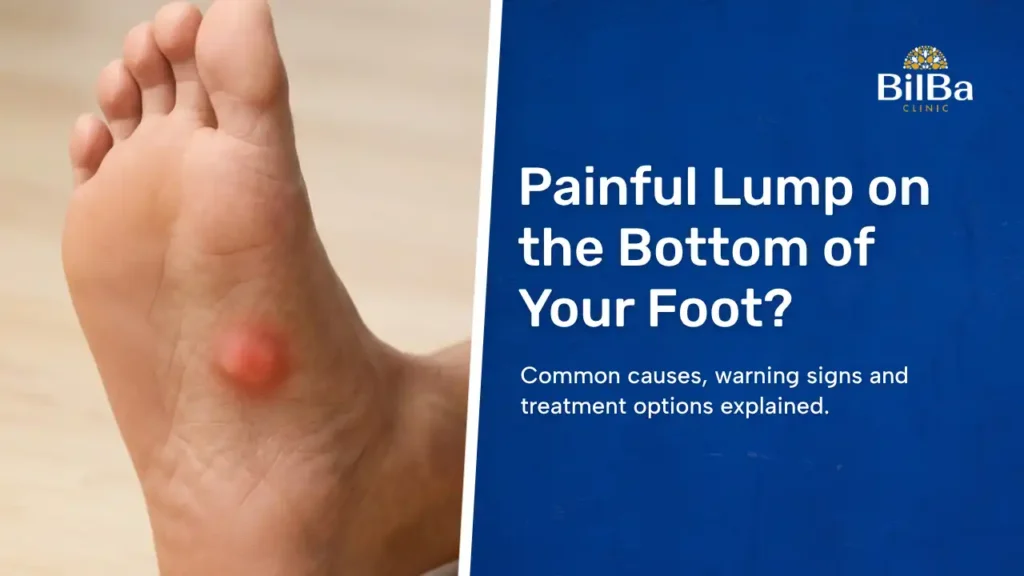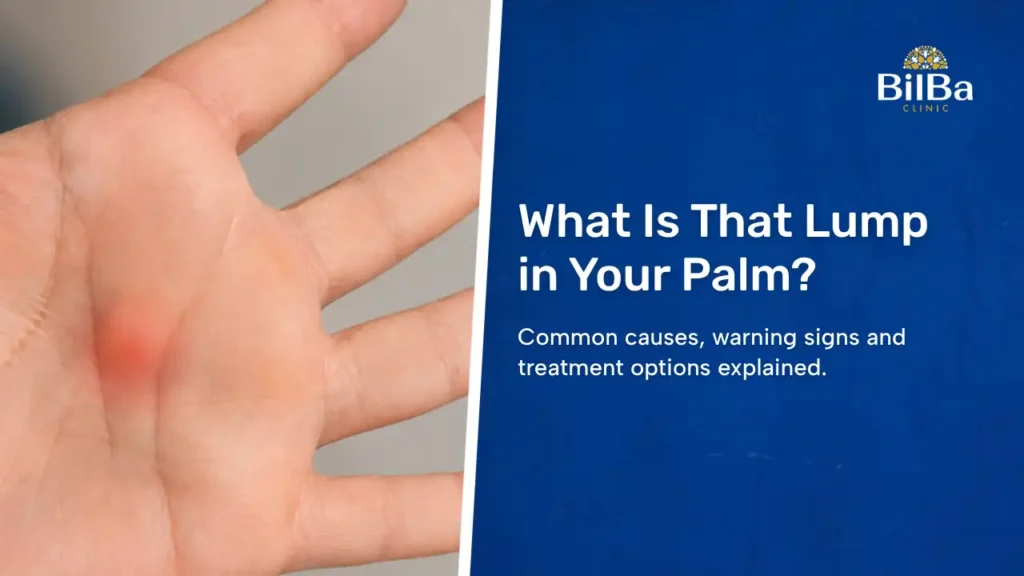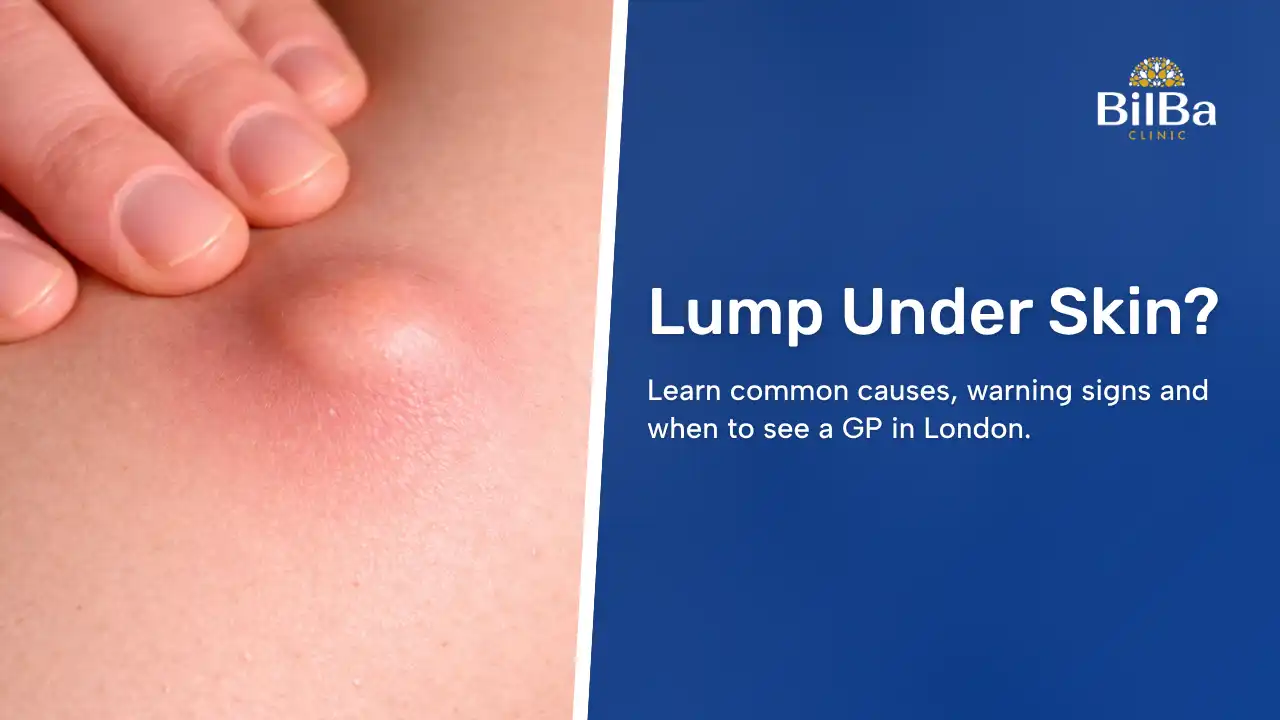
Finding a lump under skin can feel worrying. You may notice it by chance. It might feel small and harmless at first. In many cases, it is. But some lumps change over time. Knowing when to act helps you stay in control of your health.
What Does a Lump Under Skin Mean?
A lump under skin is a swelling beneath the surface. It can feel soft, firm, or slightly moveable. Some stay the same for years. Others change slowly. A lump under skin is usually caused by fluid, fat, infection, or tissue growth under the skin. Most are harmless, but changes in size, shape, or sensation mean it should be checked.
How a Lump Under Skin Can Feel Different?
We often see patients describe lumps in different ways. The feel can give early clues, but it is not always enough.
- Soft and moveable like a fatty lump
- Firm or hard to touch
- Painful or completely painless
- Small or slowly increasing in size
These differences help guide the next steps, but we always confirm with proper assessment.
Where Lumps Most Commonly Appear on the Body
We commonly see lumps in certain areas. These areas are more prone to cysts and swollen glands.
- Neck
- Back
- Arms
- Groin
Location can help narrow down the cause, but it is not the only factor.

Common Types of Lumps Under Skin
A lump under skin can have different causes. Most are harmless, but each type feels and behaves differently. Understanding the common types can help you know what to expect.
- A cyst is one of the most common types. It is usually smooth, round, and filled with fluid or soft material. Cysts often grow slowly and may become swollen or infected over time.
- A lipoma is a soft fatty lump that sits under the skin. It feels doughy and moves easily when touched. Lipomas are usually painless and grow slowly.
- An abscess is a painful lump caused by infection. It is often red, warm, and filled with pus. Abscesses may need treatment to prevent the infection from spreading.
- Swollen lymph nodes can also feel like lumps under the skin. These often appear during infections and may feel tender. They usually settle once the infection clears.
- A hernia happens when internal tissue pushes through a weak spot in the muscle. It often appears as a soft bulge, especially when standing or straining. Hernias need medical assessment.
- A fibroma is a firm, non-cancerous growth made of fibrous tissue. It usually grows slowly and does not cause pain.
If you are unsure what type of lump you have, a clinical assessment can help confirm the cause and guide the next steps.
What Causes a Lump Under Skin?
Most lumps we assess are benign and easy to manage. The key is understanding what type of lump it is.
Are Skin Cysts the Most Common Cause of a Lump Under Skin?
Yes, skin cysts are one of the most common causes. We see these frequently in clinic. They often develop slowly and may go unnoticed at first. Many patients come in when the cyst changes.
- Smooth and round under the skin
- Filled with fluid or soft material
- Often painless early on
- Can become swollen or infected
Most cysts are harmless, but changes should be reviewed.
When Does a Skin Cyst Become Painful or Infected?
A cyst can become inflamed when bacteria enter. This can lead to discomfort and swelling.
- Redness or warmth
- Sudden increase in size
- Pain or tenderness
- Discharge
If this happens, we recommend a prompt review to avoid complications.
Could It Be a Lipoma or a Fatty Lump?
A lipoma is a soft lump made of fat. We often describe it as doughy and easy to move. It usually grows slowly and does not cause pain. Many patients choose to monitor it unless it changes or becomes bothersome.
Can Swollen Glands Cause a Lump Under Skin?
Yes, swollen lymph nodes are a common cause. We often see this during infections. They can feel tender and increase in size temporarily. In most cases, they settle once the infection clears.
What Does an Abscess Feel Like Under the Skin?
An abscess is an infected lump filled with pus. It often feels warm, painful, and swollen. This type of lump usually needs treatment. Early care helps prevent it from worsening.
Warning Signs You Should Not Ignore
Most lumps are harmless, but certain signs need attention. We advise patients to monitor changes closely. Not all swollen lymph nodes are caused by infection. Some may stay enlarged for longer and need medical assessment. Cancerous lumps are rare, but they are still possible, especially if the lump is hard, fixed, or growing. An abscess is different, as it is caused by infection and usually needs drainage to heal properly.
Which Changes in a Lump Should Raise Concern?
Changes often tell us more than the lump itself. These signs suggest the need for review.
- Rapid growth
- Hard or fixed texture
- Skin changes such as redness or breakdown
- Ongoing pain
- A lump that does not go away
If you notice these, it is best to have the lump checked.
Can a Painless Lump Still Be Serious?
Yes, it can. We often see painless lumps that still need assessment. Pain is not a reliable indicator. Changes in size or feel are more important.
Could a Lump Under Skin Be Cancer?
Most lumps are not cancer. However, we always take a cautious approach. If a lump is growing, firm, or unusual, we assess it properly. Early checks help rule out serious causes.
When A Lump Is Usually Harmless
Most lumps under skin are not serious and do not need urgent treatment. In many cases, they are harmless growths that can be safely monitored over time. Knowing the signs of a non-serious lump can help reduce worry. A lump is usually harmless if it feels soft and moves easily under the skin when touched. These types of lumps are often fatty growths like lipomas. Lumps that do not cause pain or discomfort are also less likely to be a concern. If the lump stays the same size and does not change over time, it is often safe to monitor. Many harmless lumps remain stable for years without causing problems. However, even if a lump seems harmless, it is still a good idea to have it checked if you are unsure. A quick assessment can confirm the cause and give you peace of mind.
How Long Should You Wait Before Getting A Lump Checked?
It is important not to ignore a hard lump under skin for too long. If a lump lasts more than two to three weeks, it is best to get it checked by a GP. Even if it feels harmless, a simple assessment can confirm the cause and give you peace of mind. If the lump is growing in size, changing in shape, or becoming harder, you should seek medical advice straight away. Rapid changes can be a sign that the lump needs further investigation. As a general rule, stable lumps can be monitored, but any new, persistent, or changing lump should always be assessed early.

How Is a Lump Under Skin Diagnosed in a Clinic?
We start with a simple and careful assessment. This helps us understand the likely cause.
What Happens During a GP Assessment?
We examine the lump and ask about changes. We look at size, shape, and texture. This first step often gives us a strong indication of what it could be. As part of our private GP services, we carry out a thorough assessment and explain what the findings mean, so you feel clear and reassured about the next steps.
What Tests Might Be Needed to Confirm the Cause?
Some cases need further checks. This helps us confirm the diagnosis.
- Ultrasound scan
- Blood tests if required
These tests are quick and provide clear answers.
Can You Tell the Difference Between a Cyst and a Lipoma?
It is not always possible by touch alone. Both can feel similar. Cysts are often firmer and closer to the surface. Lipomas feel softer and sit deeper. Imaging helps us confirm this clearly.
Treatment Options for a Painful Lump Under Skin
Treatment depends on the type of lump and your symptoms. Many lumps do not need treatment.
Do All Lumps Need Treatment or Removal?
No, many can be safely monitored. If a lump is stable and harmless, we may advise watchful waiting. We guide you on what changes to look out for.
When Is Lump Removal the Best Option?
We recommend removal in certain situations. This depends on symptoms and your preference.
- Pain or discomfort
- Infection
- Cosmetic concern
- Unclear diagnosis
In these cases, we may suggest a minor surgery procedure. This helps resolve the issue and confirm the diagnosis.
Can a Lump Under Skin Go Away on Its Own?
Some lumps settle without treatment. Others remain unchanged for years. Swollen glands often reduce once infection clears. Small cysts may stay stable. We help you decide the right approach.

When Should You See a GP About a Lump Under Skin?
If you feel unsure, it is always best to get checked. We aim to give clear answers quickly. Ultrasound is usually the first imaging test used to assess a lump under skin. It helps identify whether the lump is solid, fluid-filled, or fatty, and guides the next steps. If the results are unclear or there is any concern, a biopsy may be recommended to confirm the diagnosis.
How Long Should You Wait Before Getting a Lump Checked?
We recommend not waiting if the lump is new or changing. Even small changes matter. You can book a quick assessment with us
Importance of Early Diagnosis
Early checks reduce worry and provide clarity. They also allow treatment if needed. We often reassure patients after a simple assessment.

Benefits of Choosing Private Care for Lump Checks
Many patients prefer quick access and clear answers. Private care makes this easier.
What Are the Benefits of Seeing a Private GP in Bilba Clinic?
We offer a straightforward and efficient process.
- Same day appointments
- No long waiting times
- Quick access to tests
This helps you move from concern to reassurance quickly.
Where Can You Get a Lump Checked Quickly in London?
At Bilba Clinic, we provide fast and reliable care. We focus on clear answers and patient reassurance.
What Happens at Bilba Clinic During Your Visit?
When you visit us, we guide you through every step. Our aim is to keep things simple and clear.
- Prompt GP assessment
- Access to diagnostic tests
- Advice on monitoring or treatment
- Minor procedures if needed
We also support skin assessments where needed
FAQs People Often Search Before Seeing A Doctor
Is a lump under skin always harmless?
Most lumps under skin are harmless, such as cysts or lipomas. However, any lump that changes in size, shape, or feel should be checked by a GP.
How do I know if a lump is serious?
A lump may be serious if it grows quickly, feels hard or fixed, or causes skin changes. If you are unsure, a medical assessment is recommended.
Can skin cysts turn into something dangerous?
Most skin cysts are harmless and do not become dangerous. However, if a cyst becomes painful, swollen, or infected, it should be reviewed.
Should I worry about a lump that does not hurt?
Yes, painless lumps can still need checking. Pain is not a reliable sign, so any new or persistent lump should be assessed.
What does a cancerous lump feel like?
A cancerous lump is often firm, fixed, and may grow over time. It usually does not move easily under the skin, but tests are needed to confirm.
Next Steps After Finding a Lump Under Skin
A lump under skin is common and often harmless. The difficulty is knowing when it needs attention. If you notice a new lump or any changes, we are here to help. A quick check can give you peace of mind and clear guidance. Booking with us at Bilba Clinic means fast answers and expert care when you need it.