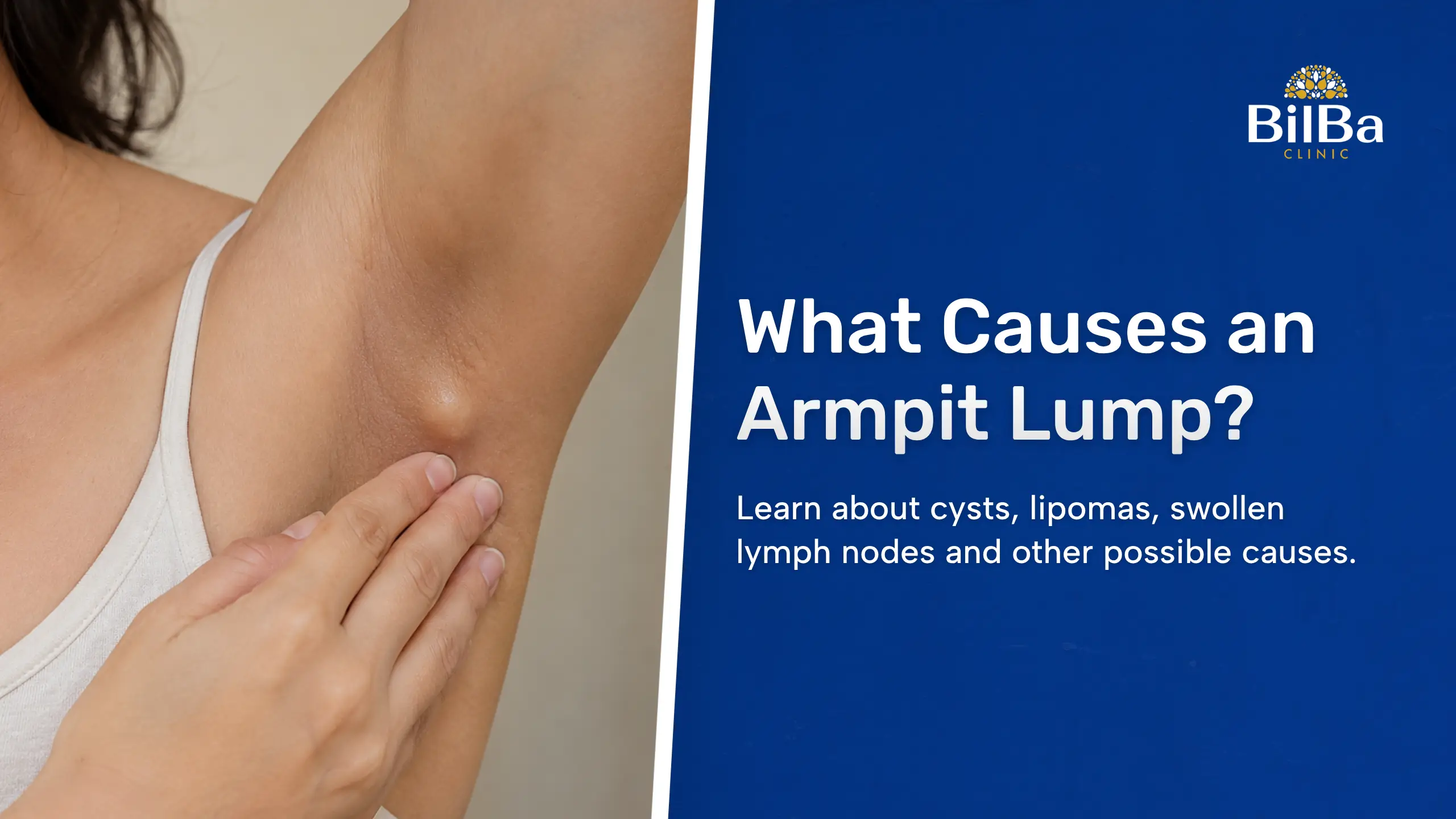
A lump in armpit is easy to worry about, because the area is hard to see and easy to prod. Many are harmless, and three common causes are a cyst, a lipoma and an abscess. A cyst is a slow-growing sac under the skin, a lipoma is a soft lump of fatty tissue, and an abscess is a hot, painful collection of pus. Swollen lymph nodes and skin conditions can look similar, and a few lumps need prompt attention. This guide explains how the causes differ, what pain, itching or no pain at all can mean, and which signs mean it is time to have the lump examined.
What Causes Lump in Armpit and Why This Area Is Prone to Them
The armpit packs a lot into a small space. It holds a group of lymph nodes, which are small glands that help your body fight infection. It also holds sweat glands, hair follicles and fatty tissue. Because so many structures sit side by side, a lump can start in any of them. It helps to know what causes lump in armpit swelling before you judge your own.
Swollen lymph nodes are one of the most frequent reasons. A node can enlarge while your body deals with a cold, a throat infection or an infected cut on the arm or hand. It often settles within a couple of weeks once the infection clears. Skin and follicle problems are the next group. Shaving, waxing and tight clothing can irritate a follicle and trigger an ingrown hair or a small boil, which is why some people find a lump in armpit after shaving. Blocked glands can form cysts, and fatty tissue can form a lipoma. Less often, a skin condition called hidradenitis suppurativa causes repeated, boil-like lumps in the armpits. A few causes need a closer look, and we cover those later in this guide.
If your lump sits on the arm itself and not in the armpit, our arm lump guide covers that area instead. The causes of lump in armpit swelling differ in how they feel, so the sections below go through the clues one by one.
Itchy Lump in Armpit and What It Can Point To
Itching narrows the field. An itchy lump in armpit is usually linked to irritated skin. The usual suspects are a reaction to deodorant or perfumed soap, shaving irritation, eczema or a fungal skin infection. Switching to fragrance-free products while the skin is itchy is a sensible first step. A lump in armpit from deodorant is often a blocked pore or an inflamed follicle that settles once the irritation stops.
Itching on its own is rarely a worry. It is one of several symptoms listed for lymphoma, alongside fever, night sweats and weight loss, but each of those has far more common causes. If an itchy lump lasts more than a few weeks, or comes with those other symptoms, have it examined.
Cyst, Lipoma or Abscess, How to Tell Them Apart
Telling these lumps apart is the job of an examination. Our experienced clinicians look at how the lump feels, whether it moves, how fast it appeared and whether it hurts. These clues give a first idea of what you may be dealing with:
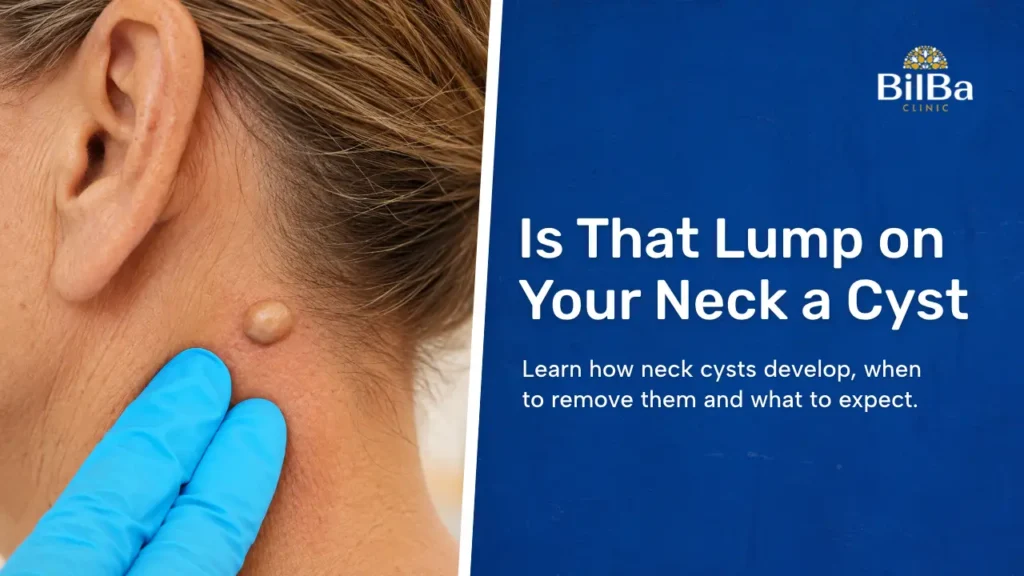
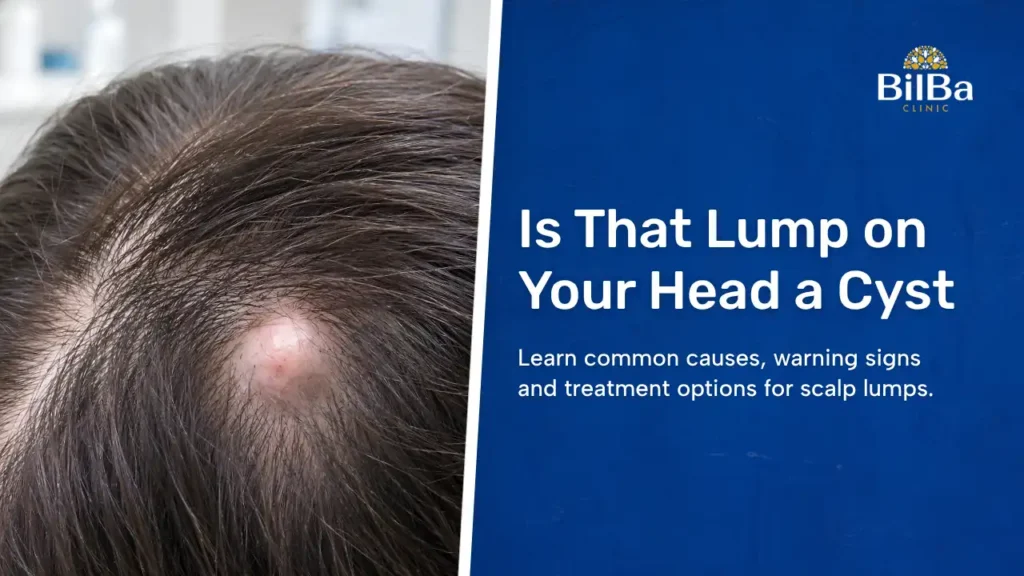
- Cyst: a round, smooth lump under the skin that grows slowly. It is usually painless unless it becomes infected, and some have a tiny dark opening in the centre. It should never be squeezed.
- Lipoma: a soft, doughy lump of fatty tissue that moves slightly under your finger. It grows slowly and does not usually hurt.
- Abscess: a painful, warm lump with a soft middle, often red or swollen, that can leak pus. It tends to develop over a few days and feels worse as it fills.
- Swollen lymph node: a tender lump that appears alongside a cold or other infection and usually shrinks as you recover.
- Hidradenitis suppurativa lump: deep, boil-like lumps that keep returning in the armpits or other skin folds.
Size and texture add detail. A small, pea sized lump in armpit is often a lymph node or an inflamed follicle. A soft lump in armpit that moves freely points towards a lipoma or cyst. A hard lump in armpit that feels fixed in place deserves a closer look, even though plenty of hard lumps turn out to be harmless. Nothing here replaces an examination, because lumps that feel alike can have very different causes.
Our guide to sebaceous cyst treatment explains how cysts are managed. The next sections look at pain, which is the clue most people notice first.
Lump in Armpit With Pain, What Is Going On?
A lump in armpit with pain is most often caused by infection or inflammation. Common examples are an abscess, an infected hair follicle or a lymph node reacting to illness. Pain shows the body is responding, which usually points to something treatable. It does not rule out other causes, so a painful lump that does not settle should still be examined.
The pattern helps. Pain and a small lump in armpit that built over a day or two suggests a follicle or a gland. A larger lump that throbs and feels hot points to a pocket of pus. A tender, pea sized lump in armpit that hurts when you press on it is common with a swollen node. The two sections below separate the patterns we see most often, starting with sudden pain and then pain linked to your cycle.
Why a Lump in Armpit Hurts and Which Causes Are Most Likely
When a lump in armpit hurts, infection is the first thing we consider. A painful lump in armpit that appeared overnight is often a boil or an early abscess. It usually becomes warm, tender and swollen as pus collects. A lump in armpit with pus is usually an abscess, a pocket of infection that may need draining under local anaesthetic. Squeezing it can push the infection deeper and leave a scar, so leave it alone. If the same spot flares up again and again, hidradenitis suppurativa becomes more likely. That is a long-term skin condition, and it needs a longer plan than a one-off boil.
Our guide to skin abscess treatment explains what drainage involves. A lump in armpit infection can also affect a lymph node. The node then feels tender and firm, and it usually eases as the infection clears.
Painful Lump in Armpit in Females and the Role of Your Cycle
Hormones add another layer for women. Breast tissue extends towards the armpit, so soreness linked to your periods can spread there. Period-related pain tends to begin up to two weeks before a period. Some women notice a tender lump in armpit before period, or a lump in armpit during period, that fades afterwards. A badly fitting bra, some medicines and the menopause can also cause soreness in this area.
Breast pain by itself is unlikely to be a sign of cancer. A lump that stays after your period, keeps growing or sits alongside a change in the breast needs examining. A lump in armpit and breast changes together deserve a prompt look. Cycle-linked soreness is only one explanation, and the next section covers lumps that do not hurt at all.
Lump in Armpit Painless? Why It Still Deserves a Look
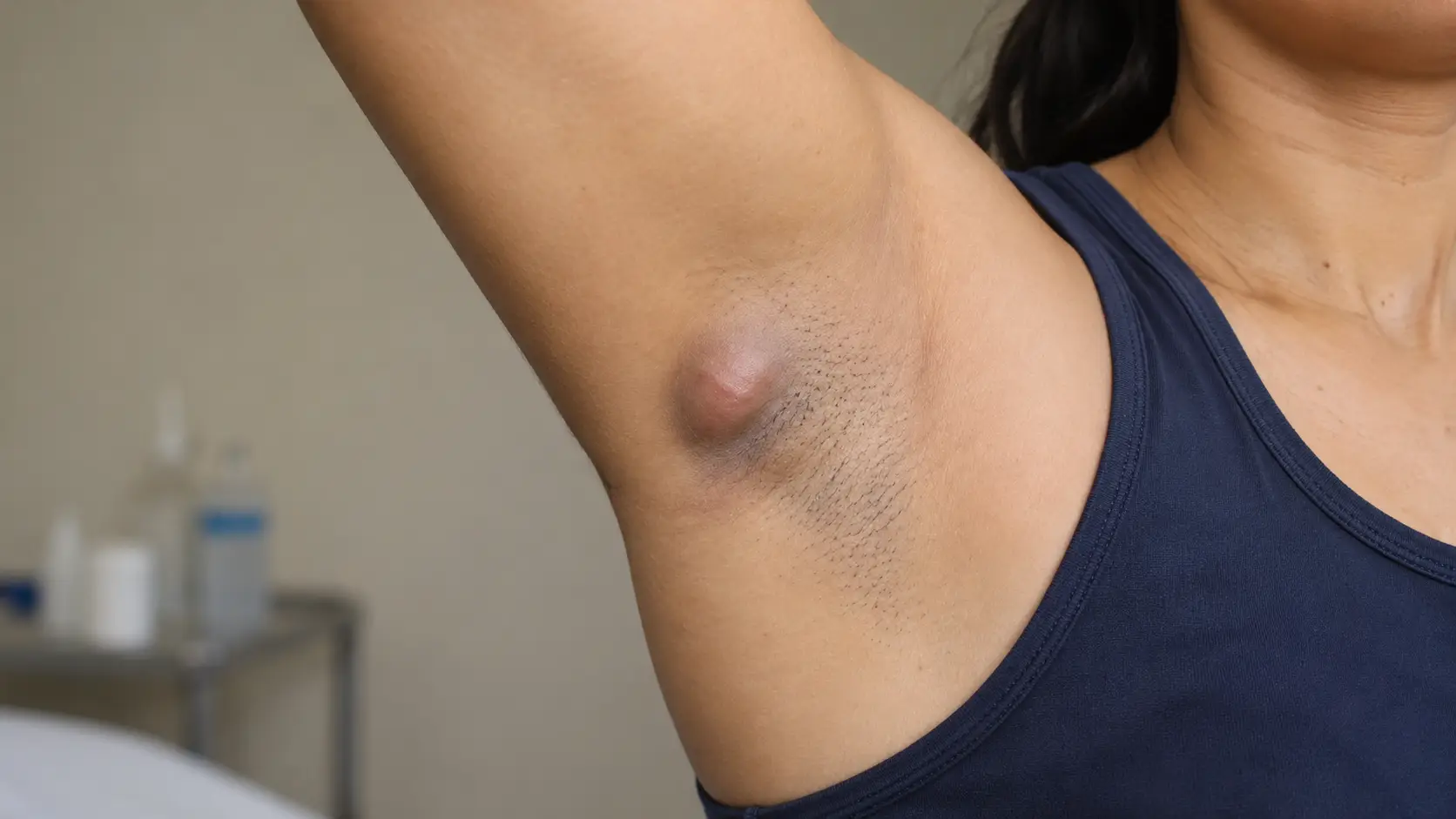
A painless lump in armpit is often a lipoma, a cyst or a lymph node that swelled during an illness and has not fully settled. Many are harmless. Lack of pain does not make a lump safe, though, because some serious causes are painless too. A painless lump that lasts more than a few weeks should be examined.
People often assume that no pain means no problem, and that is how lumps get ignored for months. A lump in armpit that comes and goes is a good example. Lymph nodes swell with each infection and shrink afterwards. Cysts can flare up and settle. The lump seems to vanish and then return. Mention that pattern when you book, because repeated returns in the same spot suggest a cyst or a skin condition more than a passing infection. At Bilba Clinic we take a lump seriously whether or not it hurts. You can read more about Bilba Clinic and how we work before you decide.
Red Flags That Mean a Lump in Armpit Needs Prompt Review
Most armpit lumps are not emergencies. Some features tell us a lump should be examined soon and not left to settle. Book an assessment if you notice any of these:
- A lump that is hard, keeps growing or has lasted more than a few weeks without shrinking.
- A lump together with fever, night sweats, unexplained weight loss or persistent tiredness.
- A new lump or other change in the breast on the same side as the armpit lump.
- A lump that keeps returning in the same place after it has settled.
A hot, red, very painful lump needs urgent medical advice straight away. So does redness that is spreading, or feeling very unwell with a high temperature, because an infection can progress quickly. Many lumps with these features still have a treatable cause, and an examination is the quickest way to find out which.
Are Cancerous Lumps in Armpit Painful?
Cancerous lumps in armpit are often painless, but pain does not rule cancer out. A painful lump is not automatically cancer either. Pain is not a reliable guide, which is why a lump that persists is examined and not judged by how it feels.
The NHS notes in its lymphoma symptoms guidance that a painless lump in the neck, armpit or groin is the most common symptom of lymphoma, a cancer of the lymph glands. Other symptoms include fever, night sweats, shortness of breath, itchy skin and weight loss. Each of these has many far more common causes. Swelling of a lump in armpit lymph node is usually caused by an infection and not by lymphoma.
Breast conditions can also cause a lump in armpit, and pain may or may not be present. That is why we also examine the nearby breast tissue where relevant. Can a lump in armpit be cancer? It can, and that is exactly why persistent lumps are checked. Cancer is only one of many possibilities, and we would never assume it before examining you.
What to Do When You Get a Lump Under Your Armpit
When you get a lump under your armpit, a few simple steps help. Leave it alone, because squeezing or picking can cause infection and scarring. Switch to fragrance-free soap and deodorant if the skin is itchy. Note its size, whether it hurts, when it appeared and anything that changes it, such as your period or an illness. Take a photo in the same light each week. Then book an assessment if it lasts more than a few weeks or shows any red flag above. Bring a list of any medicines you take, any lumps you have had before and anything else that has changed recently. That makes the assessment as complete as possible.
At Bilba Clinic we examine the lump, the skin around it, the lymph nodes and the nearby breast tissue where relevant. We also ask about your health and how the lump has changed. If the cause is not clear, we explain what further checks are needed before recommending treatment.
Treatment for lump in armpit depends on the cause. An infected lump may need draining under local anaesthetic. A cyst or lipoma that bothers you can often be removed through minor skin surgery, although not every lump is suitable and that is decided at consultation. Our pricing guide shows that consultations start from £250, and the cost of any procedure is confirmed after your assessment.

Book an Armpit Lump Assessment at Bilba Clinic
Bilba Clinic is a CQC-registered private clinic in Fitzrovia, London, offering medical, aesthetic and wellbeing care from experienced clinicians. We are recognised by major insurers including Bupa, Vitality, WPA and AXA, and we welcome self-pay patients too.
If you want an experienced clinician to look at your armpit lump, an examination is the quickest way to know what it is and whether it needs treatment. Same-day appointments are often available. Costs vary depending on what is needed, so we would rather give you an accurate figure after a proper look than guess. You can book a consultation online, or use our contact page to ask a question first.
- Call: +44 (0) 7858 848 244
- Email: info@bilbaclinic.co.uk
- Visit: 57 Great Titchfield Street, Fitzrovia, London W1W 7PN
- Hours: Monday to Friday 10:00 to 18:00, Saturday 12:00 to 17:00, Sunday closed
Frequently Asked Questions
Why Do I Have a Lump in Armpit?
A lump in armpit can be a swollen lymph node, a cyst, a lipoma, an infected hair follicle or an abscess. Less often it is a skin condition or a more serious cause. The pain, the speed of growth and any other symptoms point towards the cause, but only an examination confirms it.
How Long for a Lump in Armpit to Go Away?
It depends on the cause. A swollen lymph node often settles within a couple of weeks once the infection clears, and an irritated follicle may ease in a similar time. Cysts and lipomas do not usually disappear on their own. A lump that lasts more than a few weeks should be examined.
What Does a Lump in Armpit Mean?
A lump in armpit means something under the skin has swollen or grown. Most often it is a lymph node reacting to infection, a blocked follicle, a cyst or a lipoma. Less commonly it signals a condition that needs treatment. The meaning depends on how it feels, whether it hurts and how long it has been there.
Should I Worry About a Lump in Armpit?
Many lumps are harmless, but do not ignore one that is hard, keeps growing, lasts more than a few weeks or comes with fever, night sweats or weight loss. A quick examination gives you a clear answer, whichever cause turns out to be responsible, and it removes the guesswork.
Can a Lump in Armpit Come and Go?
Yes. Lymph nodes swell during infections and shrink afterwards, and cysts and follicle lumps can flare and settle. Some women notice changes with their cycle. A lump that keeps returning in the same spot is worth examining, because repeated flare-ups can point to a cyst or a skin condition such as hidradenitis suppurativa.
Can a Lump in Armpit Be Cancer?
Yes, it can, although cancer is only one of many possible causes. A lump that is painless, hard, growing or lasting more than a few weeks, or that comes with fever, night sweats or weight loss, should be examined promptly. Many lumps have a more common explanation, and an examination tells you which applies.