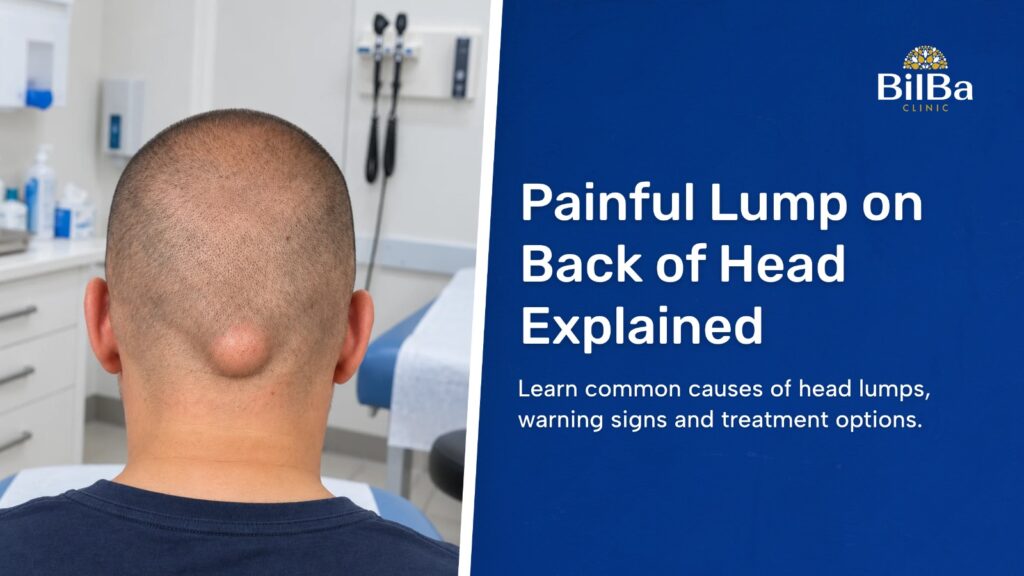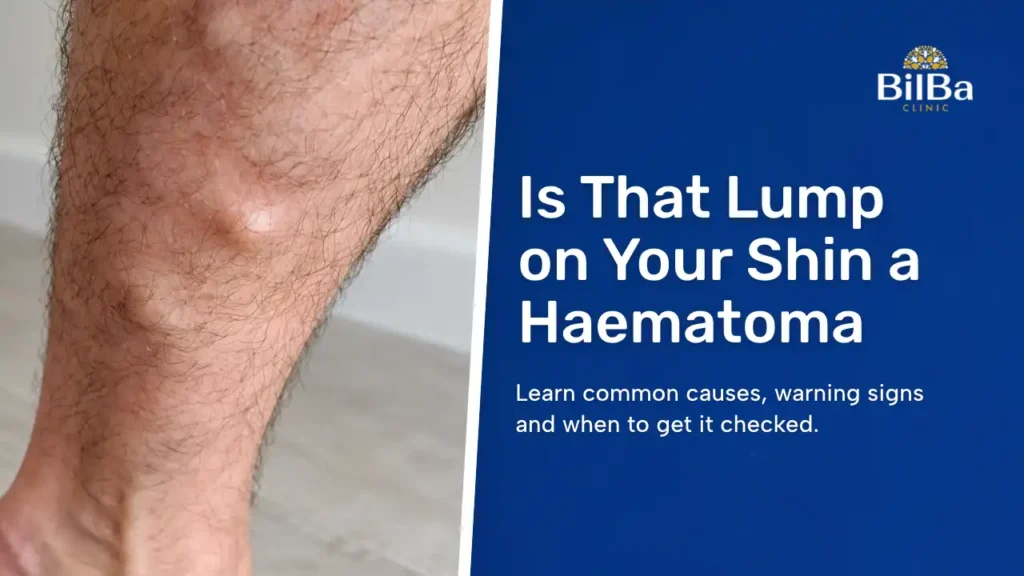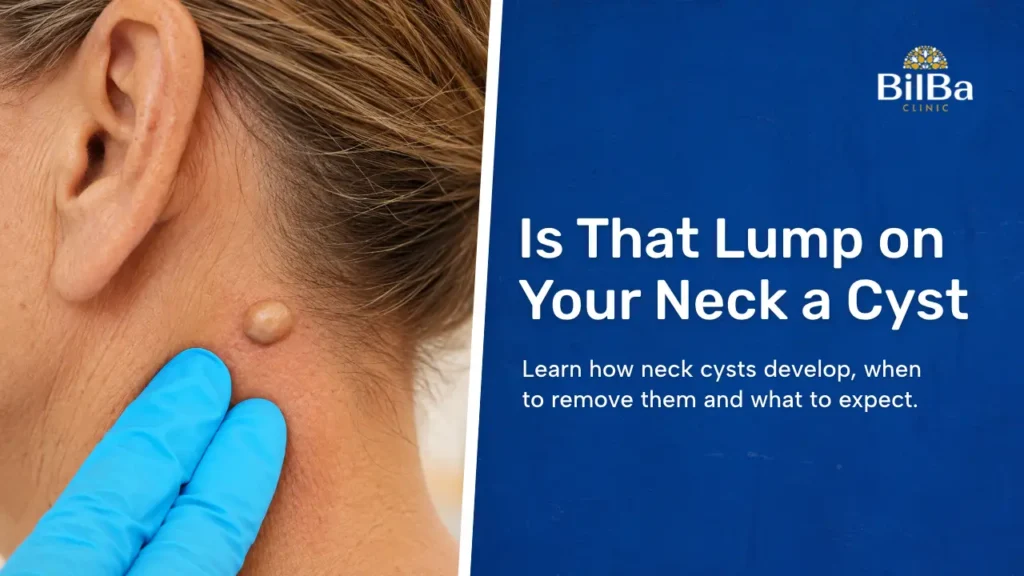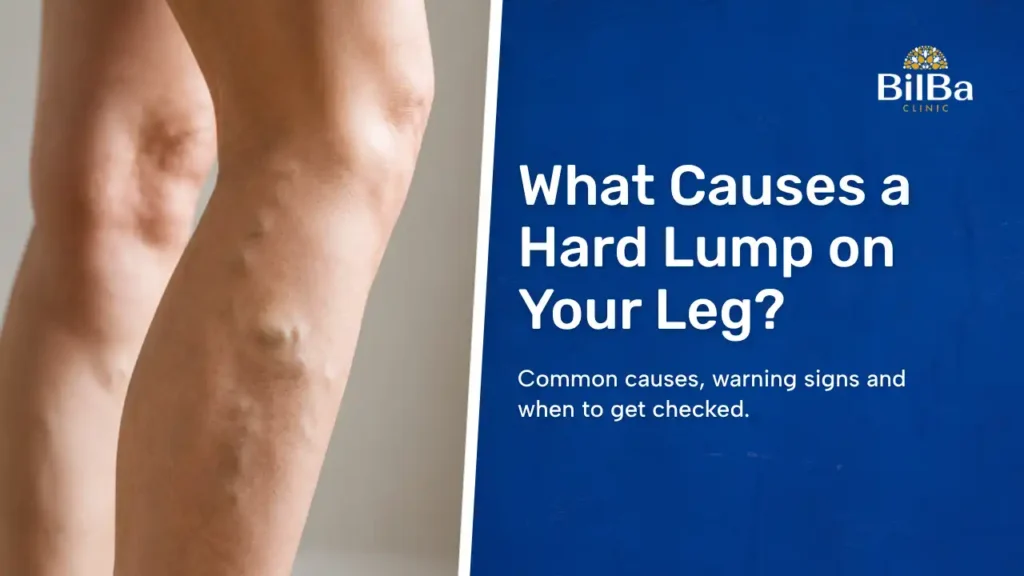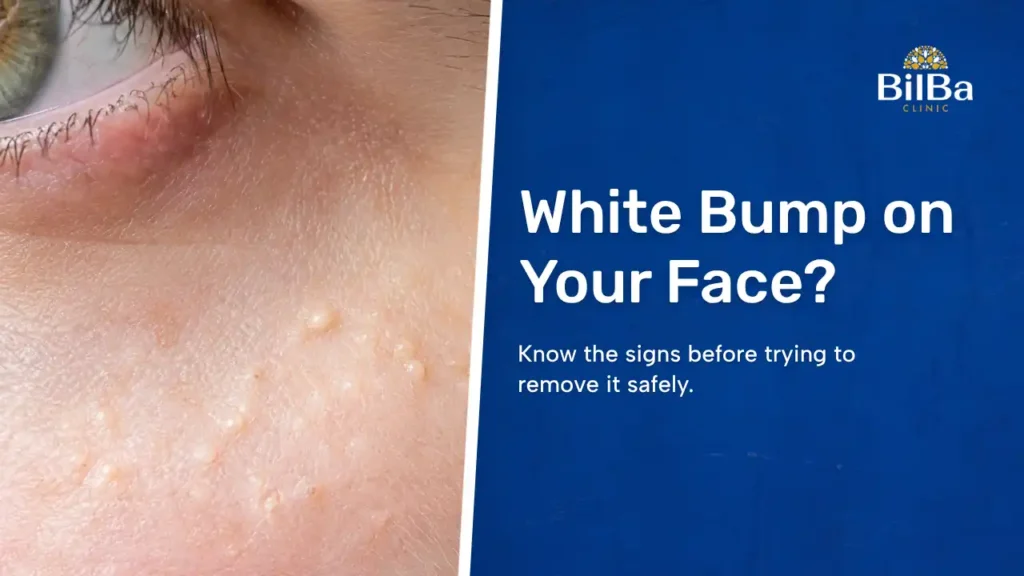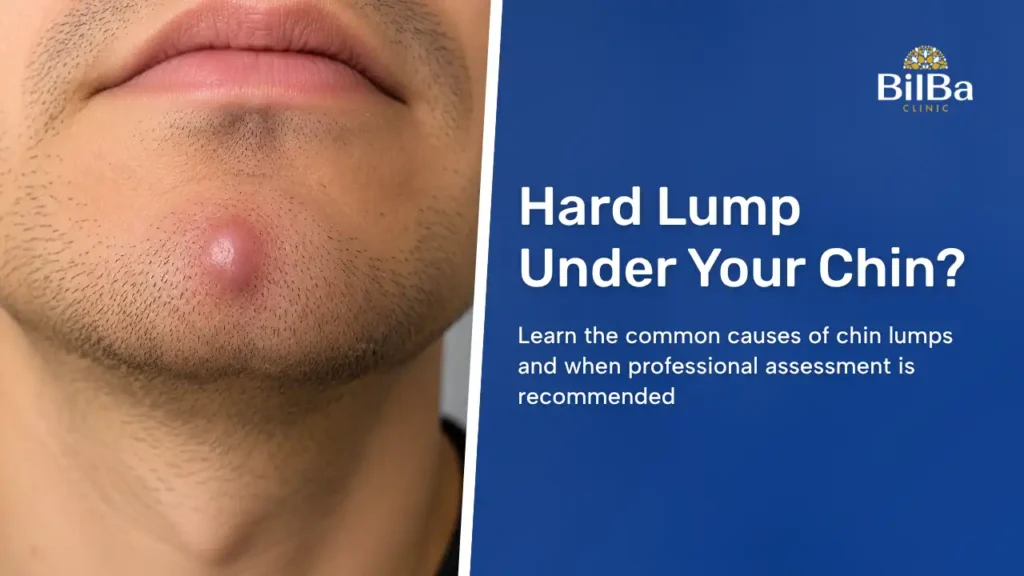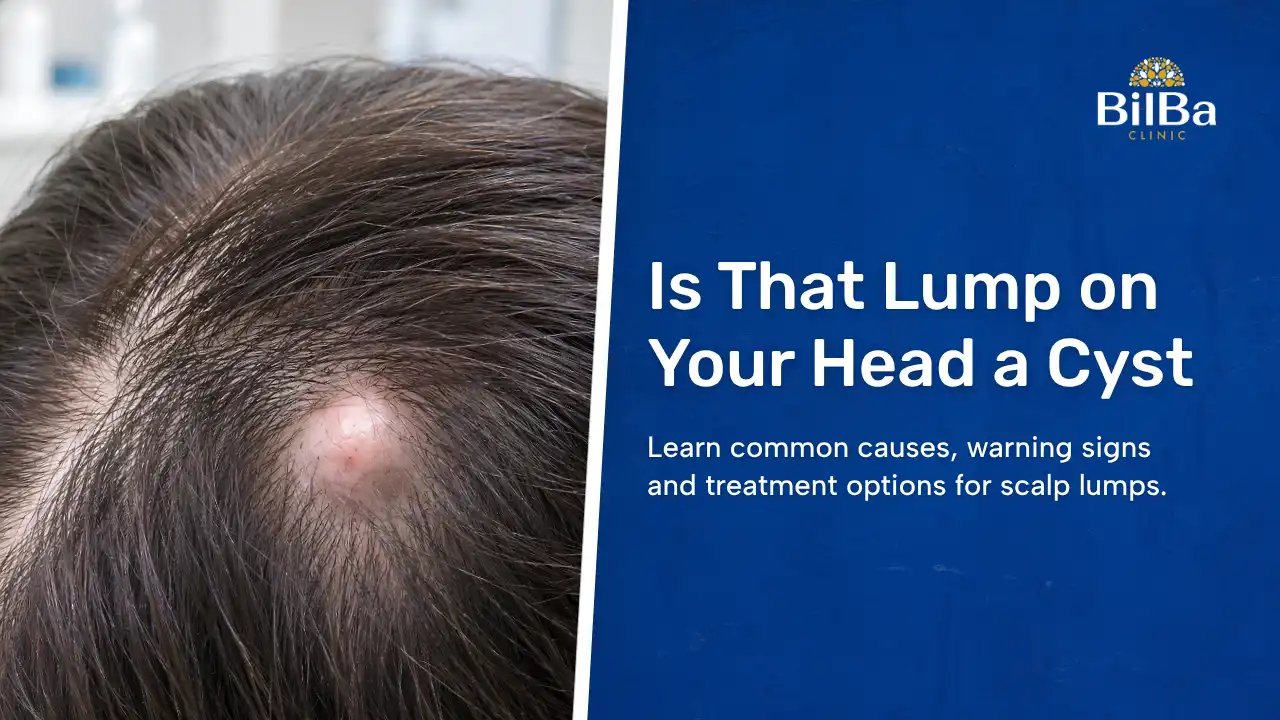
Finding a lump under your skin head while brushing or washing your hair is more common than most people realise, and in the vast majority of cases it turns out to be something ordinary like a cyst or a fatty lump. Both are seen regularly in the clinic, and neither is anything to panic about on its own. That doesn’t mean every lump is the same, though, or that they all need the same approach. This guide walks through what’s most likely causing yours, what sets a harmless lump apart from one worth getting checked, and how we assess and treat them at Bilba Clinic in London.
If you’d like a simple way to track a lump before your appointment, taking a photo next to a coin or ruler every few weeks gives you a clearer sense of whether it’s actually growing than memory alone, which is often less reliable than people expect.
What a Skin Colored Bump on Head Usually Means
A skin-colored bump on the head is usually one of two things, a cyst or a lipoma, both of which are benign and common on the scalp. Cysts form a round pocket just under the skin, sometimes containing fluid, while lipomas are made of fat cells sitting in a soft pocket beneath the surface. Less commonly, a bump on the scalp can be a swollen lymph node near the hairline or an inflamed hair follicle, both of which usually settle on their own once any underlying cause clears up.
Common causes of a bump on the head include:
- A sebaceous or pilar cyst, the most common cause overall
- A lipoma, a soft fatty lump
- An inflamed or infected hair follicle
- A swollen lymph node near the hairline or neck
- Scar tissue from a previous injury to the area
None of these is dangerous on its own, but they behave differently enough that knowing which one you have changes what, if anything, needs to happen next.
What a Small Lump Under Skin on Head Could Be
A small lump under the skin on the head doesn’t tell you much on its own, since both cysts and lipomas often start out small and grow slowly over months or years. Size becomes more useful as a clue once you track it over time. A lump that’s stayed the same size for years points toward something stable and low-concern, while one that’s grown noticeably in a short period is worth having looked at sooner rather than waiting to see what it does next.
Why You Might Have a Hard Lump Under Skin Head
Texture is one of the more useful clues you have. A hard lump under the skin head that doesn’t move when you press it is more likely to be a cyst, scar tissue, or in rare cases something that needs a closer look, whereas a lipoma typically feels soft and shifts slightly under your fingers. NHS guidance on lumps generally recommends seeing a GP if a lump is hard and doesn’t move, if it’s painful, red or hot to touch, or if it’s increasing in size.
Signs it’s worth having a hard lump on your head assessed include:
- It feels hard and fixed rather than soft and mobile
- It’s painful, red, or warm to the touch
- It’s grown noticeably over a short period
- The skin over it looks different from the surrounding scalp
A Hard Lump Under Skin Back of Head Specifically
A hard lump under skin back of the head is often a pilar cyst, since these form in hair follicles and the scalp is covered in them from front to back. The back of the head isn’t a more dangerous location than anywhere else on the scalp, but pillow pressure overnight and regular hair-brushing can make lumps there more noticeable, or more prone to catching and becoming irritated, than lumps in less exposed spots.
What a Hard Lump Under Skin With White Head Means
A hard lump under skin with white head usually means a cyst with a small central opening, sometimes called a punctum, which can look like a whitish or dark dot at the centre of the lump. This is a normal feature of many skin cysts rather than a sign of infection on its own. It becomes more of a concern if the surrounding skin turns red or warm, or if the lump becomes noticeably more painful, since these are signs the cyst may have become infected. Squeezing it is worth avoiding altogether, since this can push the contents deeper, trigger infection, or leave the area sore.
If a lump becomes suddenly sore, red, or hot, NHS guidance treats this as something to get seen urgently rather than waiting for a routine appointment, since an infected cyst can need antibiotics or drainage to settle properly. A calm, stable lump with no redness or pain rarely needs this kind of urgency, and can be assessed at a routine appointment instead.
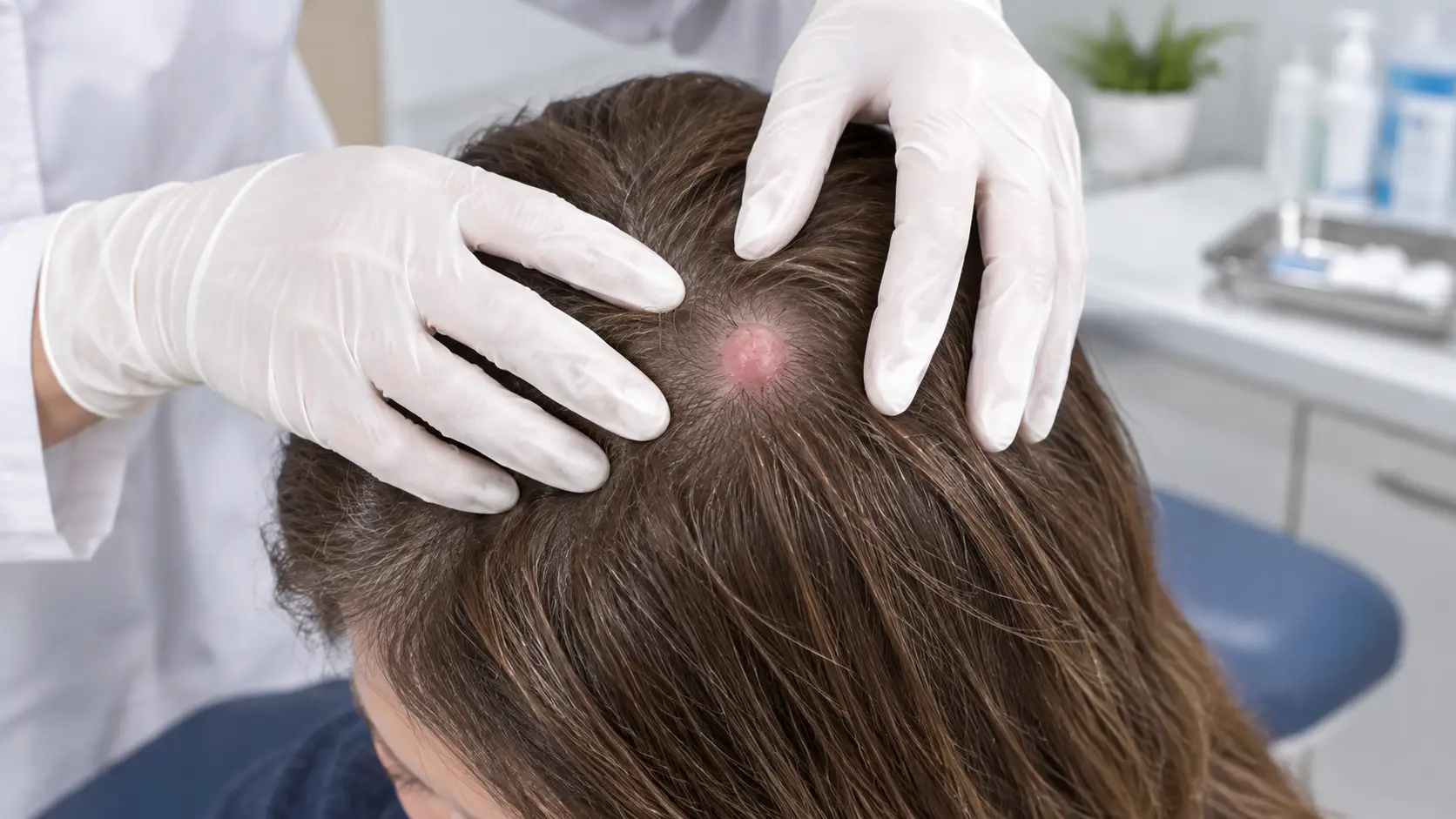
Could It Be a Fatty Lump on Head
A fatty lump on head is almost always a lipoma, a soft, slow-growing lump made of fat cells sitting just beneath the skin. Lipomas feel squishy rather than firm, move slightly when you press them, and rarely cause pain. They can appear anywhere on the body, including the scalp and forehead, and most people are simply left with theirs once a lipoma has been confirmed, since removal is only needed if it’s growing, uncomfortable, or bothering you for another reason. Some people develop more than one over time, though having several doesn’t change how any individual one is assessed.
Telling a lipoma apart from a cyst by touch alone isn’t always reliable, since a soft cyst can feel similar to a lipoma before it’s examined properly. Our clinician will usually be confident after a hands-on exam, and in the rare cases where there’s genuine doubt, an ultrasound scan can show whether a lump is solid, fatty, or fluid-filled before any decision is made about treatment.
What Causes Fatty Lumps on Head
What causes fatty lumps on head isn’t always clear-cut. Lipomas form when fat cells cluster together in a small pocket just under the skin, and doctors don’t always know exactly why this happens to one person and not another. They tend to become more noticeable with age, and having one doesn’t say anything about your weight or general health, since lipomas can develop in people at any size or fitness level.
Sebaceous Cyst Scalp Explained
A sebaceous cyst scalp diagnosis is common, though the name is slightly misleading. According to NHS guidance on skin cysts, most lumps people call sebaceous cysts are actually epidermoid cysts, which form in the top layer of skin, or pilar cysts, which form specifically in a hair follicle and are usually found on the scalp. True sebaceous cysts, involving the oil-producing glands themselves, are much less common than the name suggests. The distinction mostly matters for how a clinician describes what they’re looking at rather than changing your treatment options, since both types are managed the same way.
NHS guidance also notes that skin cysts are somewhat more likely in adults, especially in middle age, in women, and in people with acne. None of these factors mean a cyst will definitely develop, they simply make it somewhat more likely. Cysts of any kind are not cancerous, and you can’t catch one from someone else who has one.
Pilar Cyst Scalp Treatment Options
Pilar cyst scalp treatment usually isn’t needed at all if the cyst isn’t causing problems, since these are harmless and tend to grow slowly over years. NHS guidance notes that treatment becomes more relevant if a cyst becomes infected, or if it’s large enough to catch when you brush your hair. Pilar cysts specifically tend to run in families more than other cyst types, so if a parent or sibling has had one, that’s worth mentioning at your assessment, since it can help confirm the diagnosis quickly.
There’s no cream, drop, or over-the-counter product that will shrink or dissolve a pilar cyst once it’s formed, since the sac itself needs to be physically removed. Watching and waiting is a perfectly reasonable choice for a cyst that isn’t bothering you, and removal remains an option later if that changes.
Who Removes Sebaceous Cysts on Head
Who removes sebaceous cysts on head depends on how you’d like to access care. Many people start with their GP, mainly to confirm the diagnosis and rule out anything else first. If you’d rather go straight to treatment, our minor skin surgery team at Bilba Clinic can assess and remove suitable lumps directly, without needing a referral first.
Every assessment starts with a hands-on examination, checking size, texture, and how the lump feels under the skin. In most cases this is enough on its own to confirm what a lump is, though occasionally your clinician may suggest an ultrasound scan first if there’s any uncertainty about what’s underneath the skin, particularly for a lump that feels unusually firm or fixed. If removal is the right option, this can often be arranged for the same appointment rather than requiring a separate visit purely to book it in.
Scalp Cyst Removal Procedure at Bilba Clinic
A scalp cyst removal procedure at Bilba Clinic is carried out as a day case under local anaesthetic, so you’re awake but the area is fully numbed beforehand. The cyst, including its lining, is removed through a small incision, since leaving part of the sac wall behind is the most common reason a cyst comes back in the same spot. You’ll have a small scar afterwards, hidden within the hairline in most cases, and the area is closed with sutures where needed. Pricing depends on the size and location of the lump, so check our pricing page for current figures before booking. It’s also worth knowing that removing one cyst doesn’t prevent new ones forming elsewhere on the scalp in future, since cysts develop in individual hair follicles or skin pockets rather than being connected to each other.
Recovery is generally simple for most people:
- Mild swelling or tenderness for the first few days is normal
- Keeping the area dry for the first day or two supports clean healing
- Sutures, if used, are typically removed within seven to ten days
- Most people return to normal hair washing and styling within a week
Lump Under Skin Head Assessment at Bilba Clinic London
Bilba Clinic is a CQC-registered private clinic in Fitzrovia, central London, offering medical, aesthetic and wellbeing care from experienced clinicians. We’re recognised by major insurers including Bupa, Vitality and WPA, alongside self-pay patients.
If you’ve noticed a new lump on your head and aren’t sure what it is, we start every assessment with a proper examination rather than guessing from a description alone. Our clinician will check the lump’s size, texture, and whether it moves under the skin, then talk you through what it most likely is and what your options are, without pressuring you into removal if watching and waiting is the more sensible choice. If you’d like a broader look at when any lump under the skin is worth checking, our lump under skin article covers the general red flags in more depth.
Our clinical team follows the same safety standards across every procedure we offer, in line with our status as a CQC-registered clinic. Appointments are unhurried, so there’s time to talk through what we find and ask questions before deciding anything. When you’re ready, you can book online or get in touch first if you’d like to ask questions before booking.
- Address: 57 Great Titchfield Street, Fitzrovia, London W1W 7PN
- Phone: +44 (0) 7858 848 244
- Email: info@bilbaclinic.co.uk
- Opening hours: Monday to Friday 10:00 to 18:00, Saturday 12:00 to 17:00, Sunday closed
Frequently Asked Questions
What Happens if I Have a Lump on My Head?
Most of the time, nothing urgent needs to happen. What happens if I have a lump on my head largely depends on how it feels and behaves, a soft, slow-growing, painless lump is usually a lipoma or cyst that can be left alone or removed for comfort or cosmetic reasons. A lump that’s hard, growing quickly, painful, or changing the skin around it is worth getting assessed sooner rather than later, since these features are what a clinician actually looks for when deciding what to do next.
When Can I Wash My Hair After Scalp Cyst Removal?
Most people are advised to keep the wound dry for the first day or two after scalp cyst removal, then can usually wash their hair carefully once any dressing has been removed. Being gentle around the wound and avoiding vigorous scrubbing or strong hair products in the first week helps the area heal cleanly. Your clinician will give you specific aftercare advice based on how the wound was closed, since this can vary slightly from one procedure to the next.
Does Pilar Cyst Removal Cause Hair Loss?
Pilar cyst removal can leave a small area of thinner hair directly over the scar, but this is usually limited to the incision itself rather than affecting hair growth more broadly. Hair follicles surrounding the treated area aren’t affected by the procedure, and any change is often barely noticeable once the area has healed and surrounding hair has grown to cover it.
Is a Lump Under Skin on Head Serious?
The vast majority of scalp lumps are not serious, with cysts and lipomas accounting for most cases seen in clinic. It becomes more worth investigating if the lump is hard and fixed, growing quickly, painful, or accompanied by changes to the skin over it, since these features are what a clinician looks for beyond just the presence of the lump itself. A lump that ticks none of these boxes can usually be safely left alone or monitored at home.
Can a Lump Under Skin on Head Be Cancer?
Cancer is a rare cause of a scalp lump, and the great majority turn out to be cysts or lipomas instead. Features that would prompt a closer look include a lump that’s hard, doesn’t move, grows steadily, or comes with skin changes such as ulceration or discolouration, which is why any new or changing lump is worth having examined rather than assumed to be harmless without a proper look.